Lion survey Northern Kruger
Protecting Africa’s iconic predator
Africa’s lions are disappearing rapidly. Wild populations have declined by more than 90% over the past century, with fewer than 20,000 lions remaining today.
The Greater Limpopo Transfrontier Conservation Area — including South Africa’s Kruger National Park — is one of their last strongholds, home to more than 2,000 lions.
In the northern region of Kruger National Park, however, lions face increasing threats from poaching and poisoning, which also affect other species such as leopards and vultures. As apex predators, lions play a crucial role in maintaining the balance of the ecosystem and their decline could have far-reaching consequences.
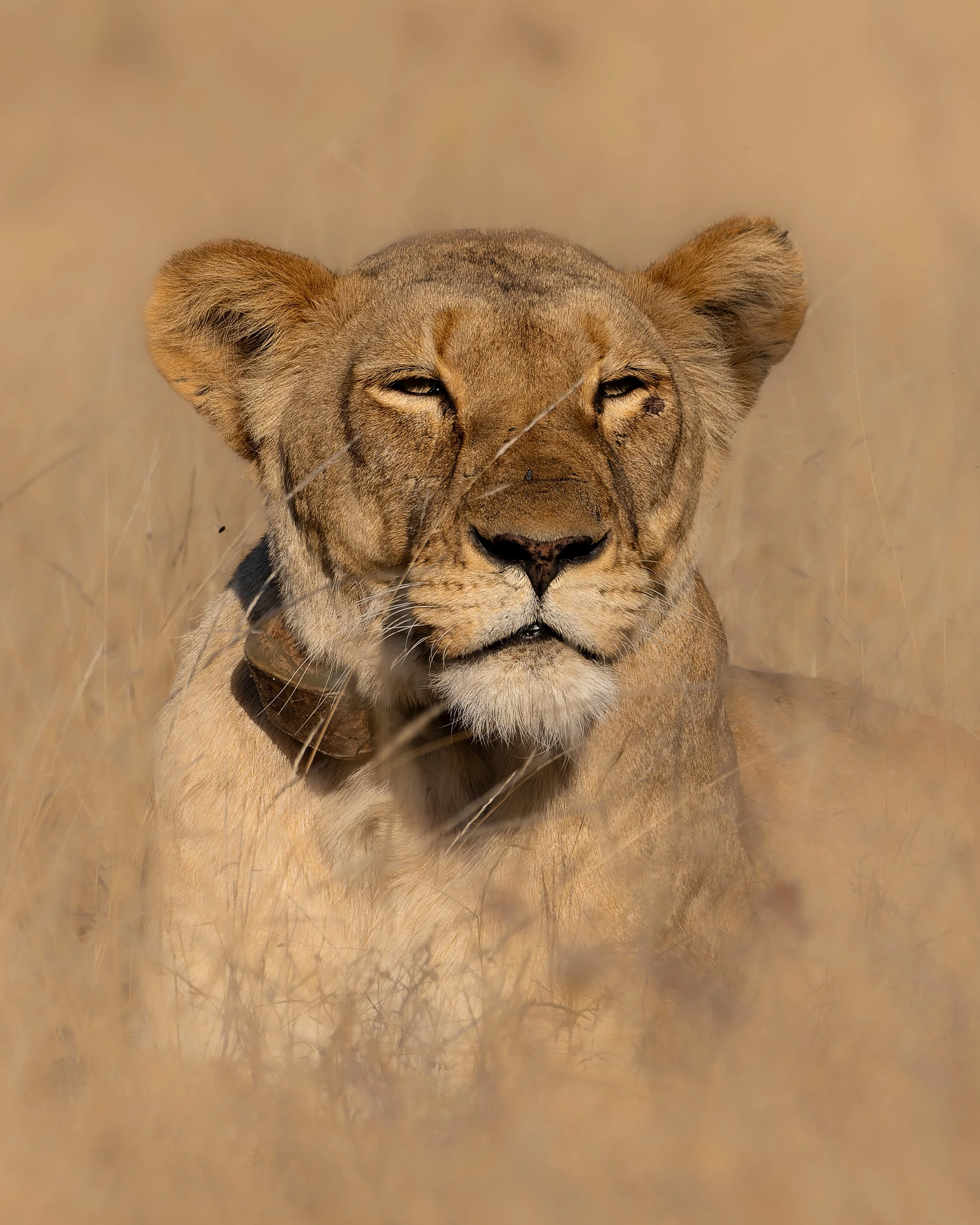
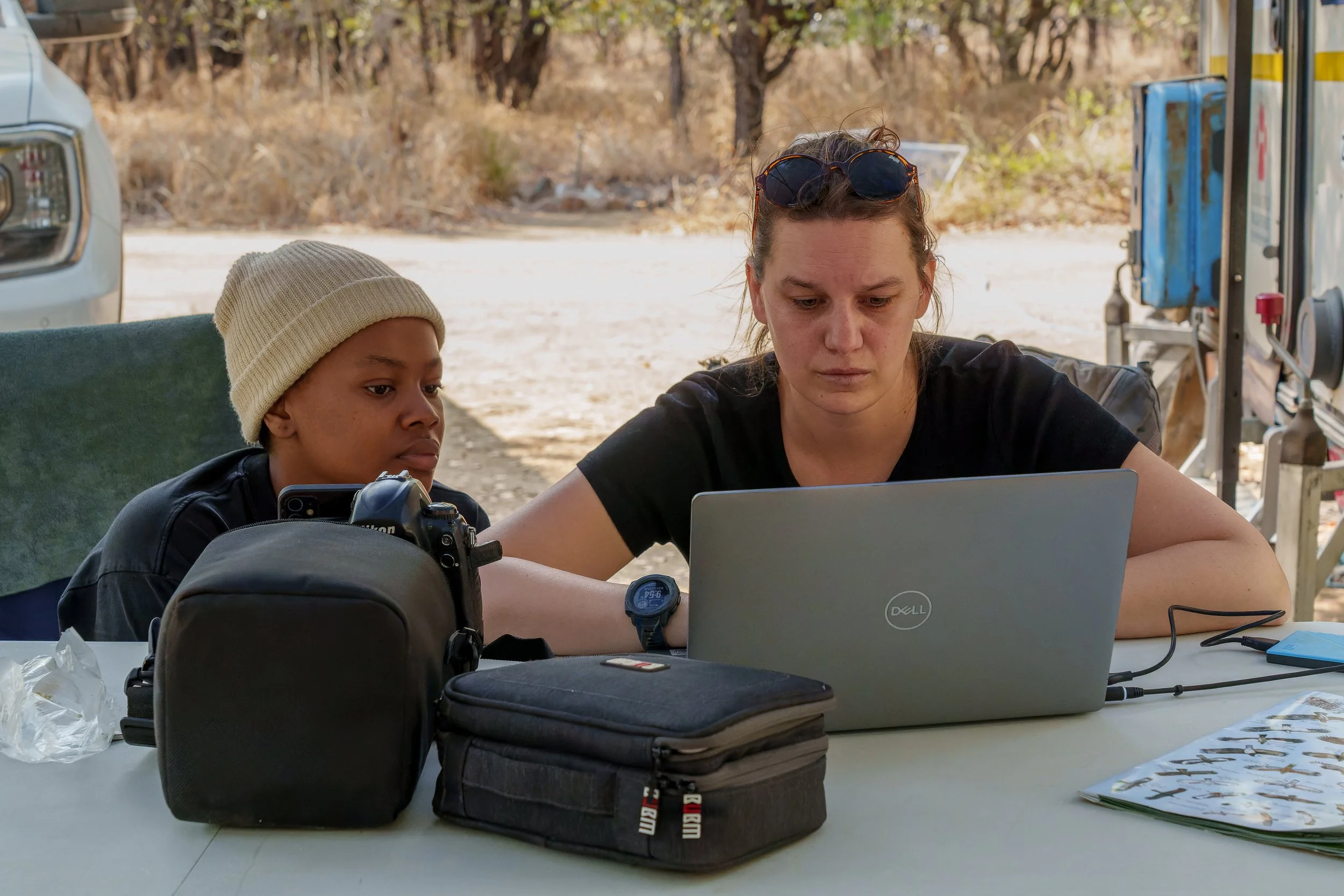
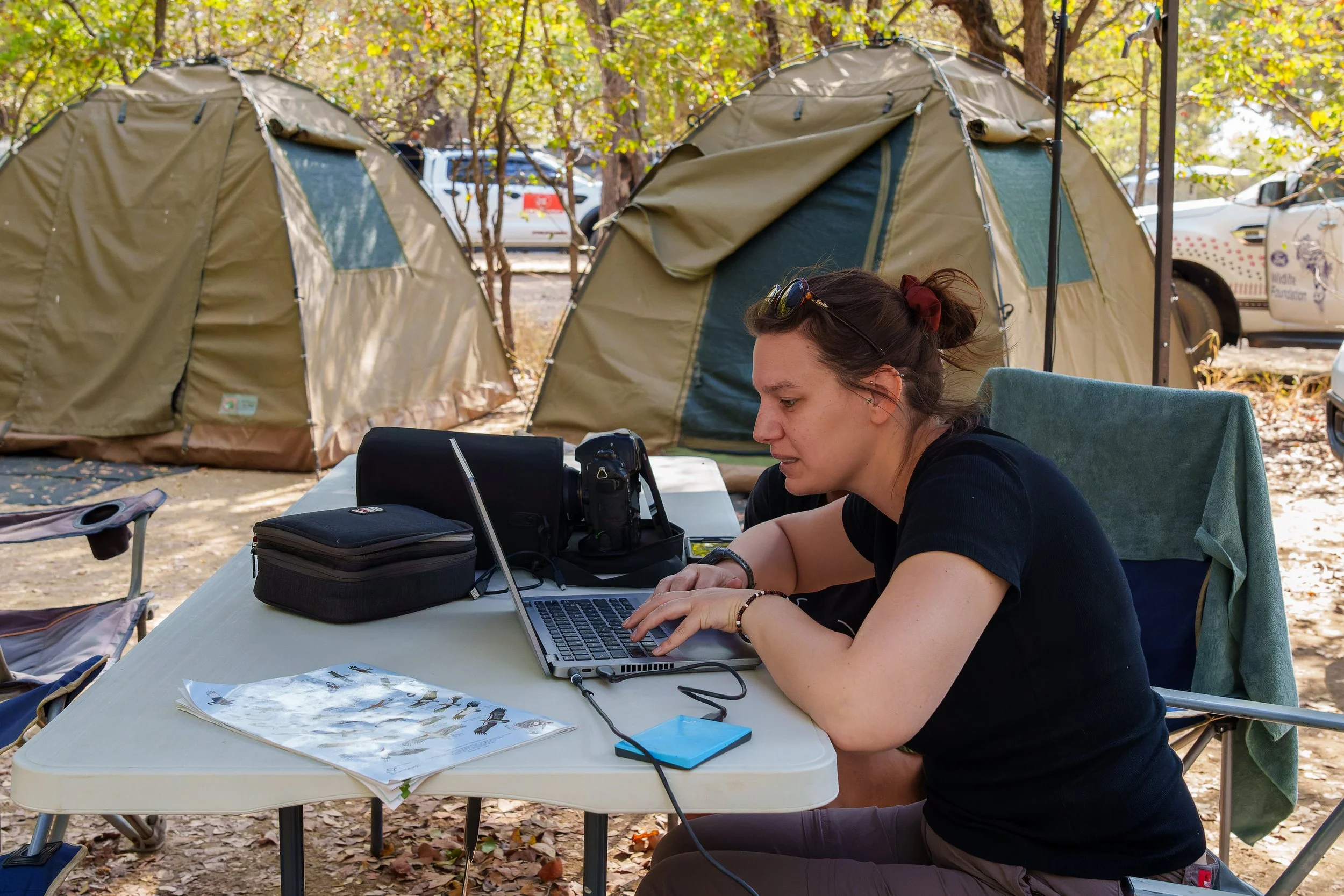
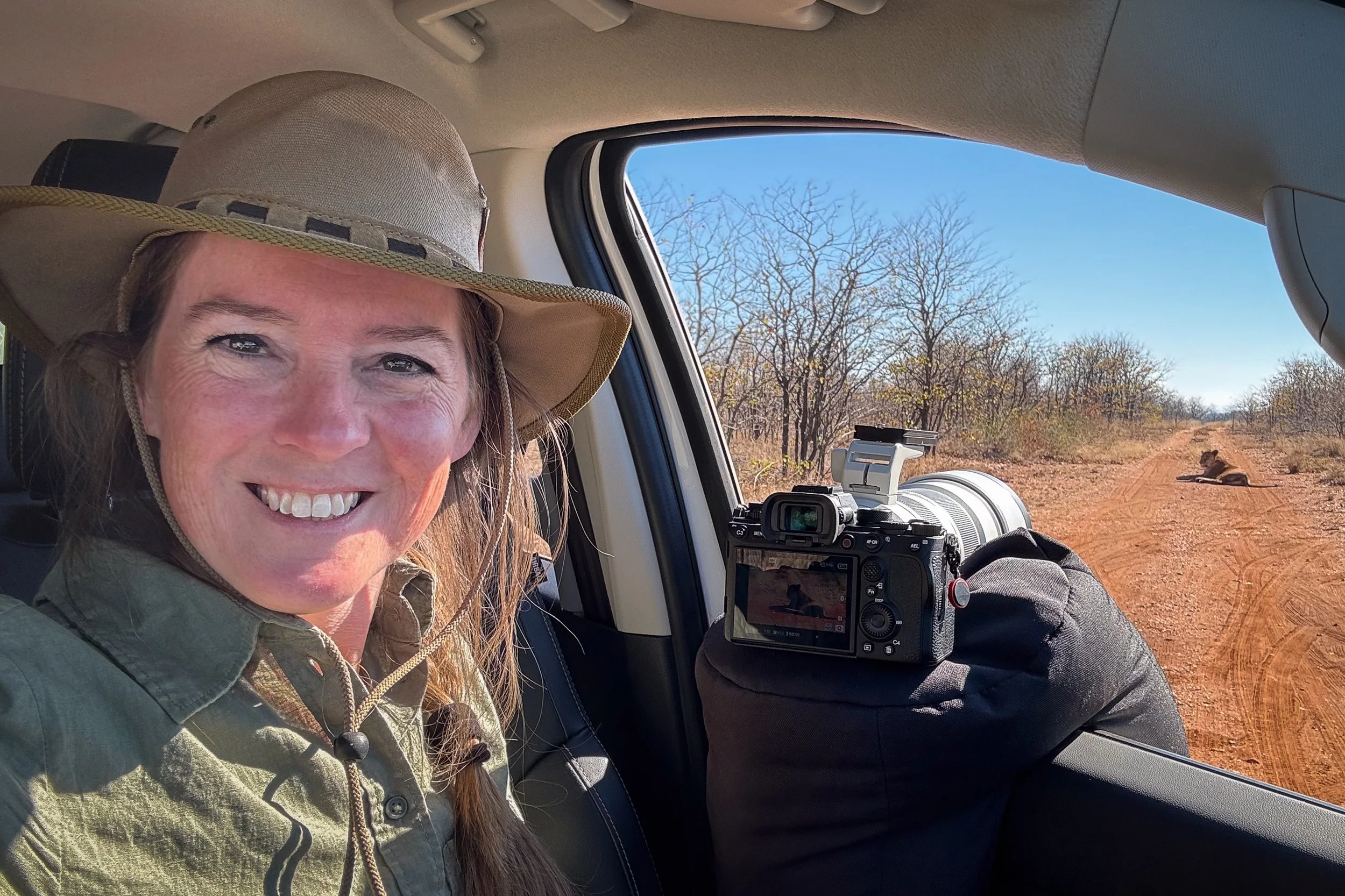
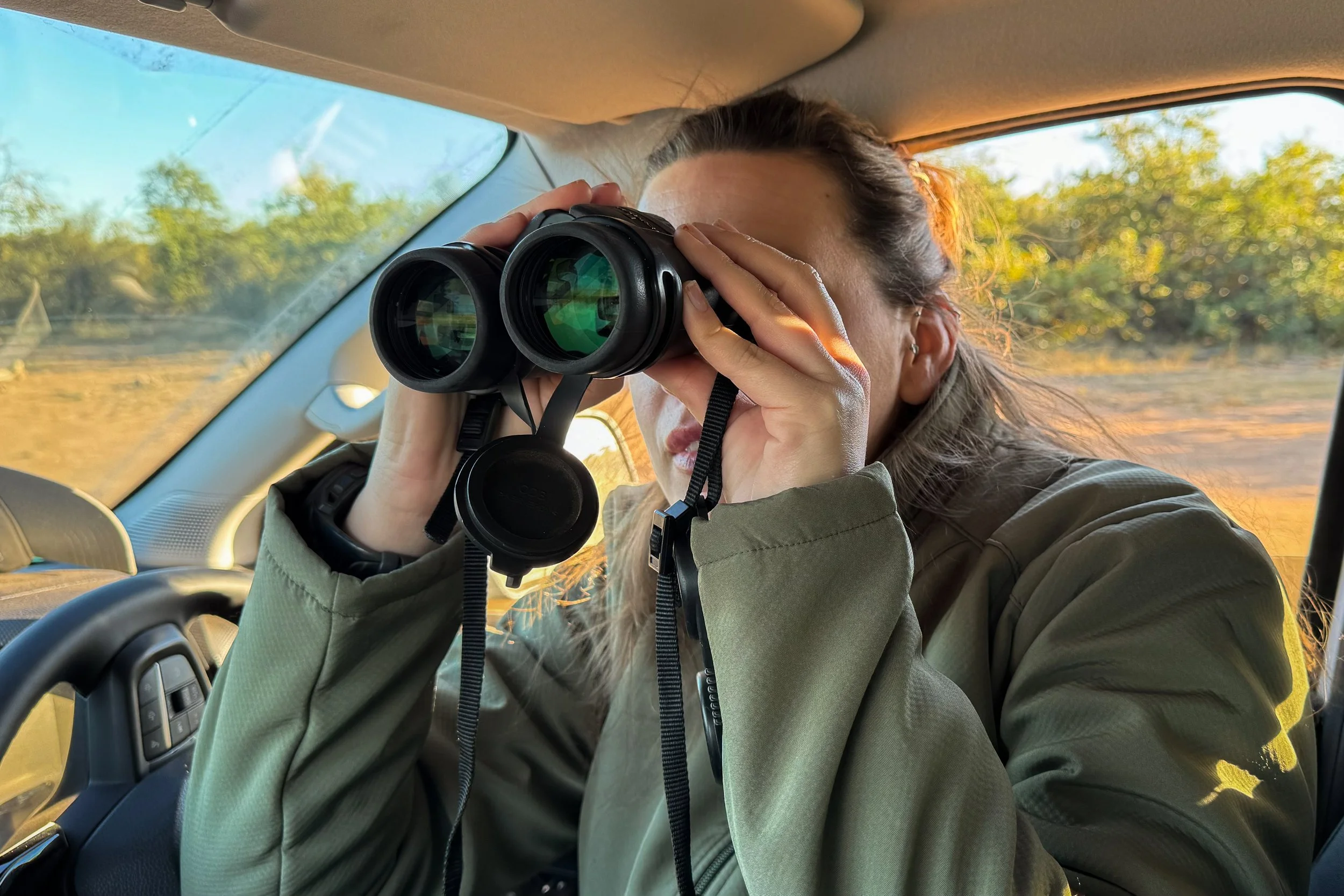
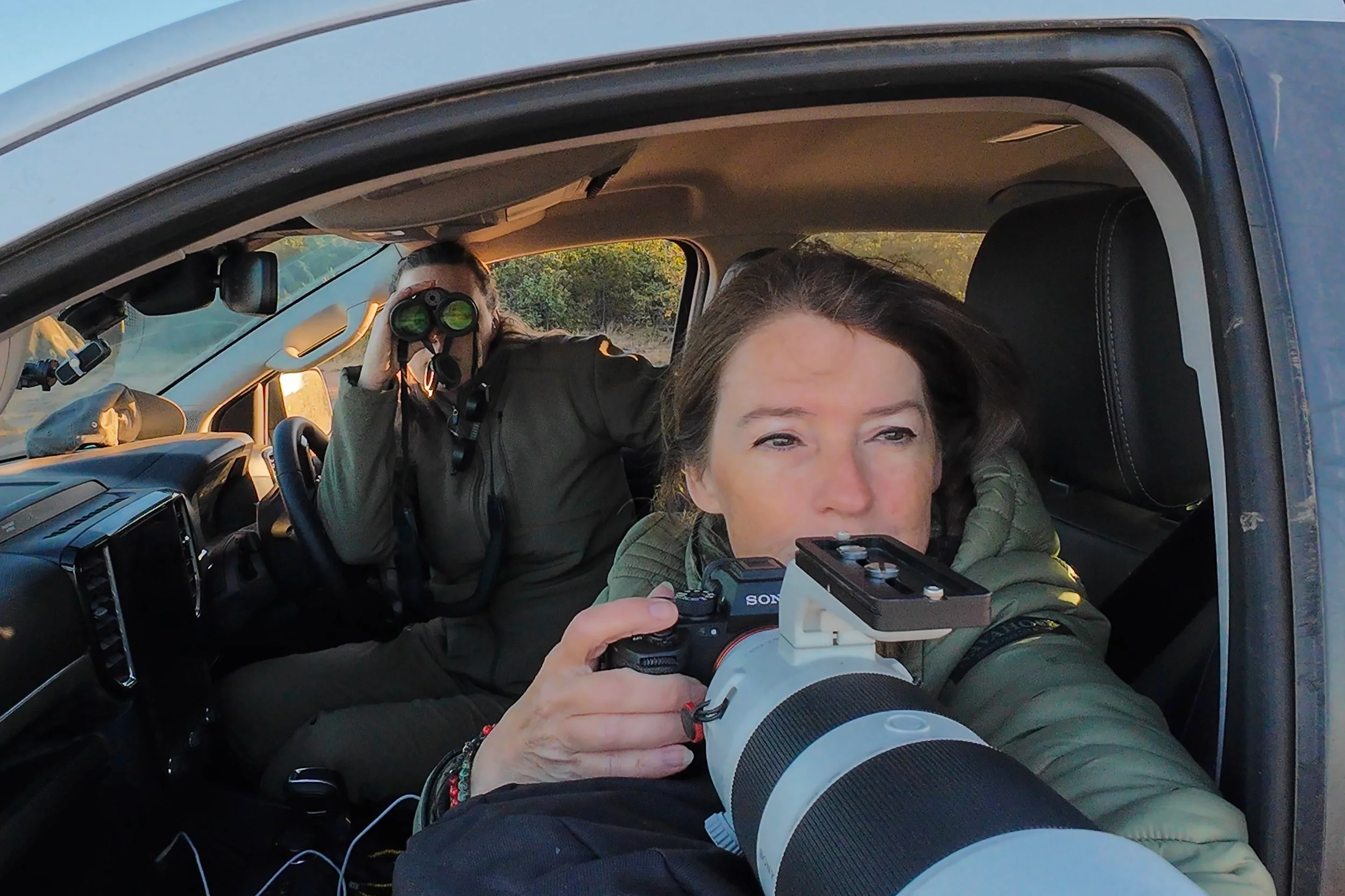
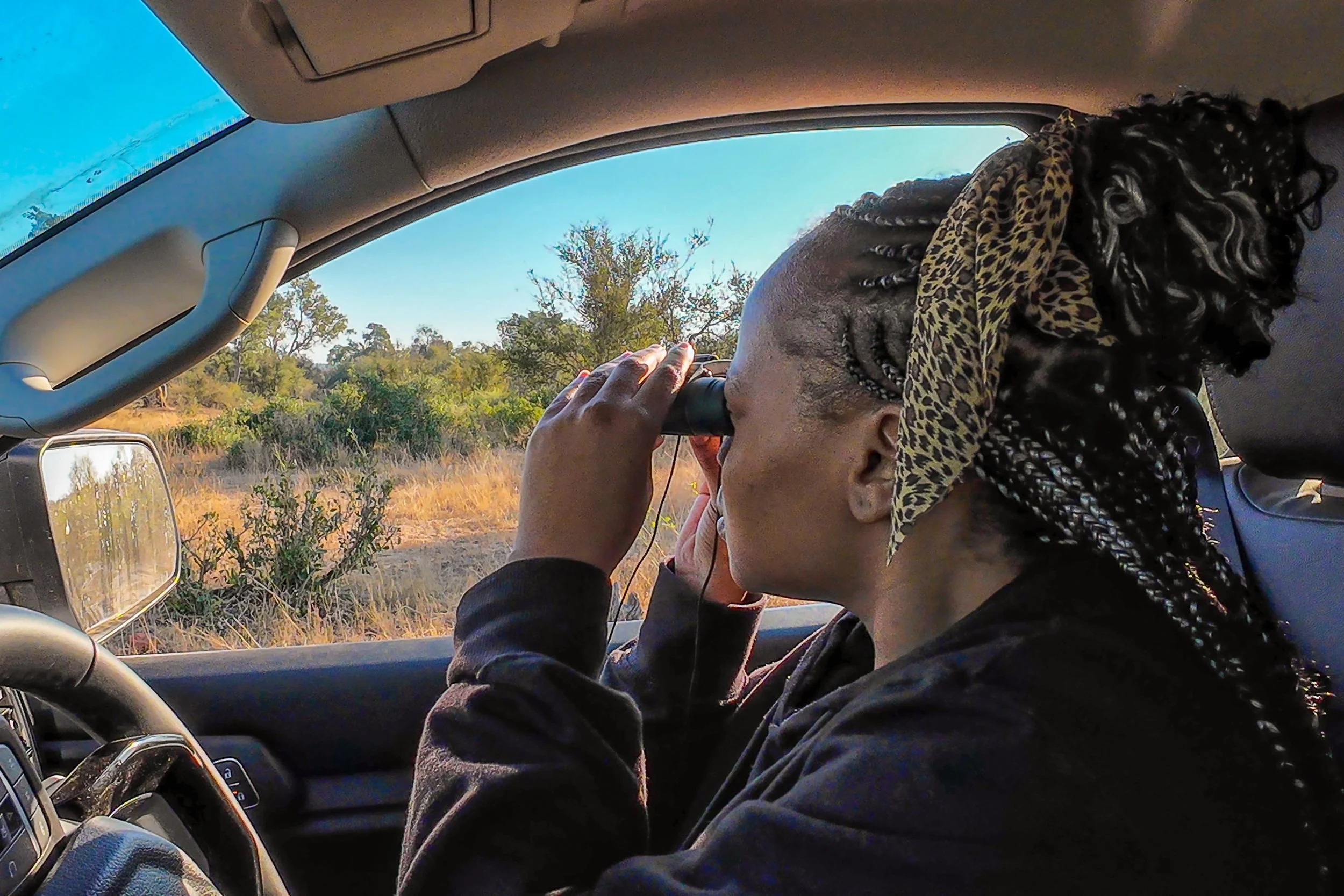
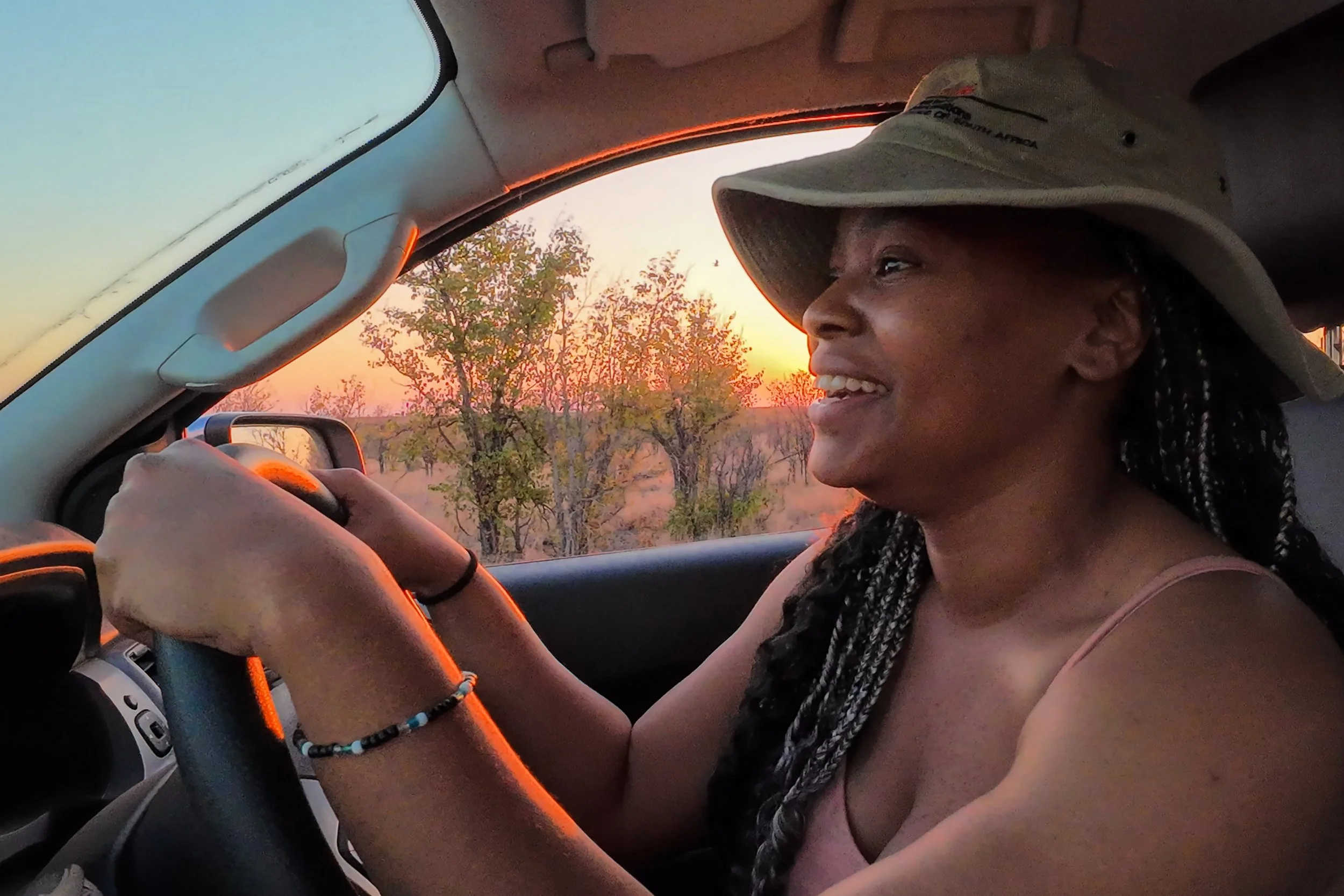
To better understand and protect these animals, the Endangered Wildlife Trust, in partnership with SANParks, conducted a large-scale lion survey across this vast and remote landscape. I had the privilege of being part of this field team as a field officer, helping to locate lions and document individuals in the wild.
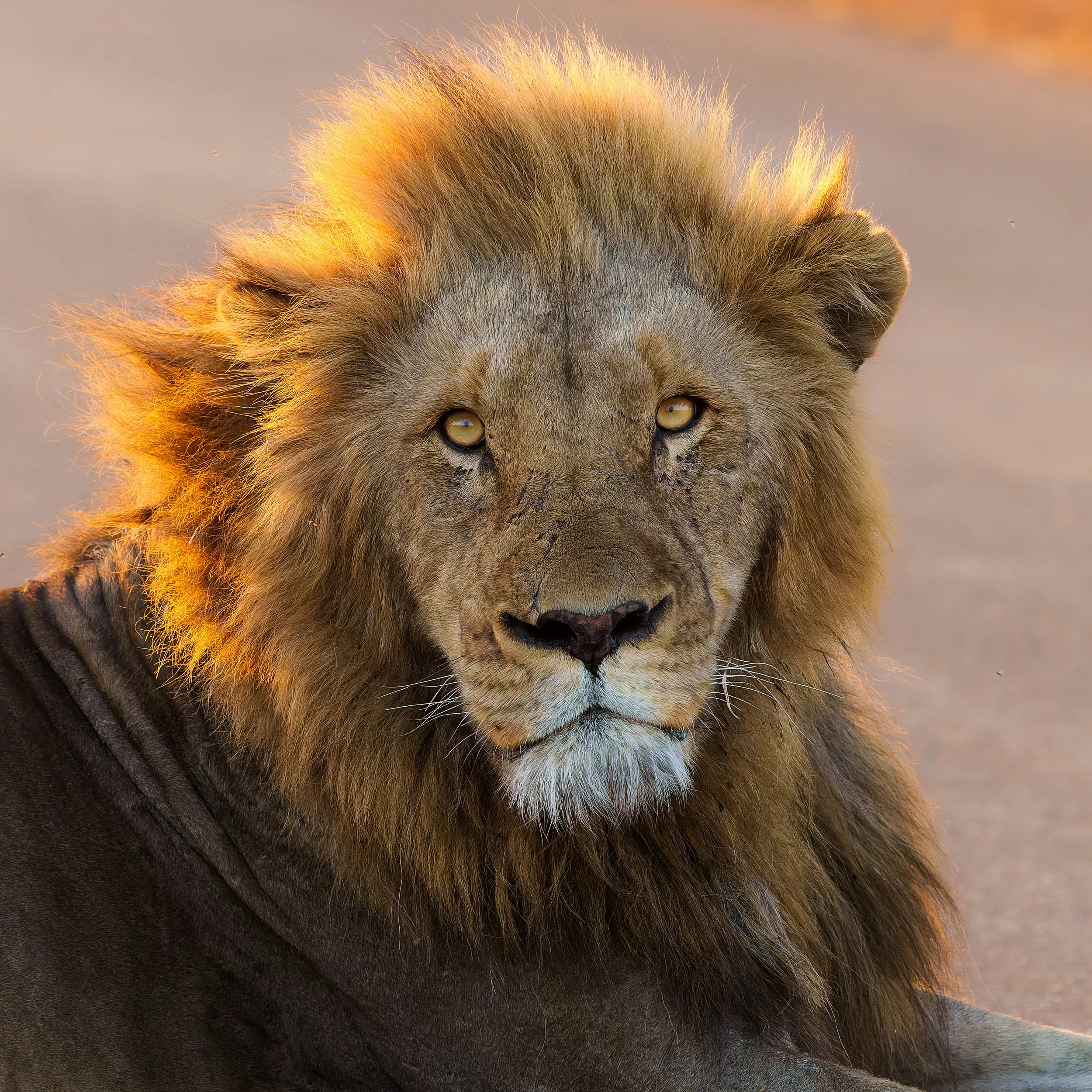
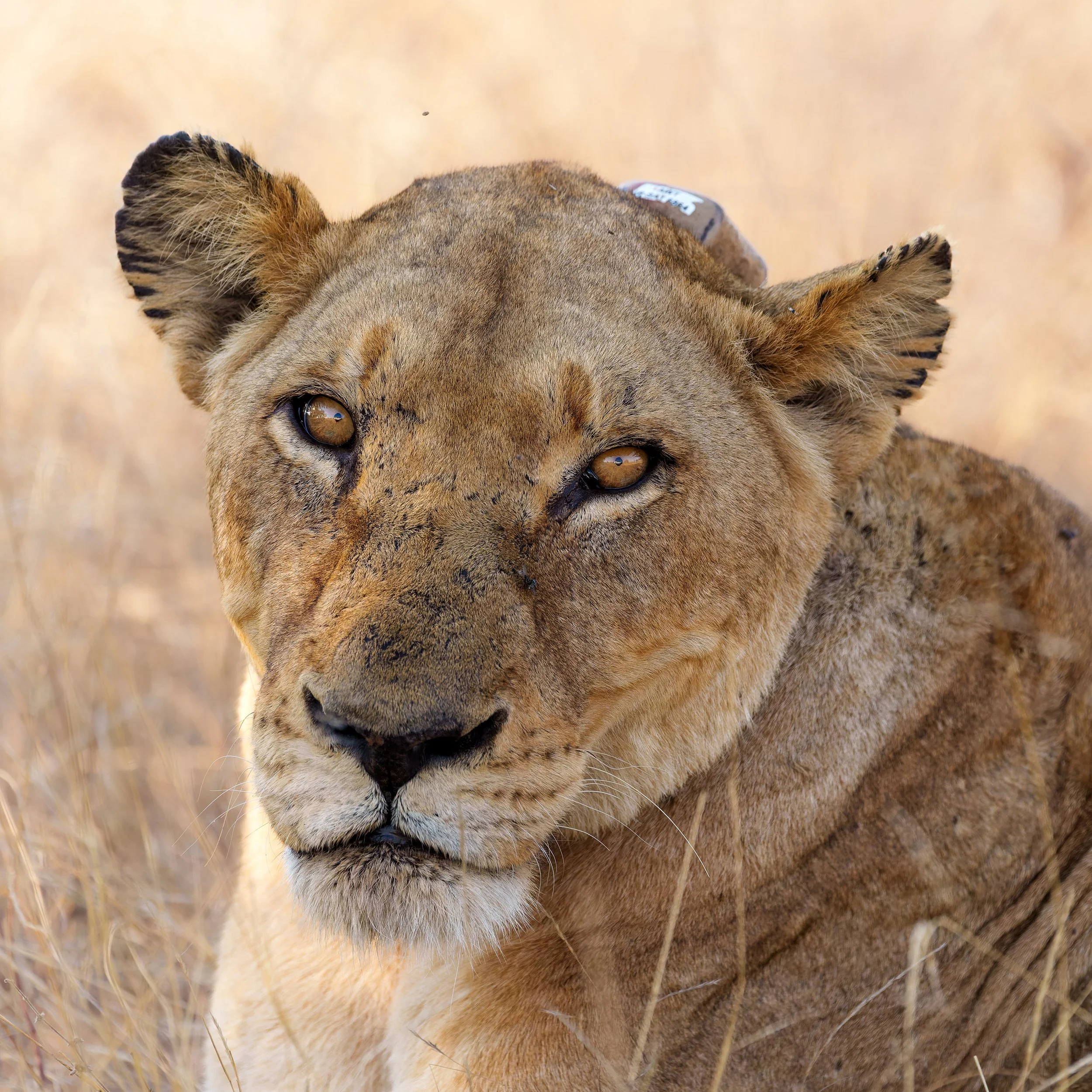
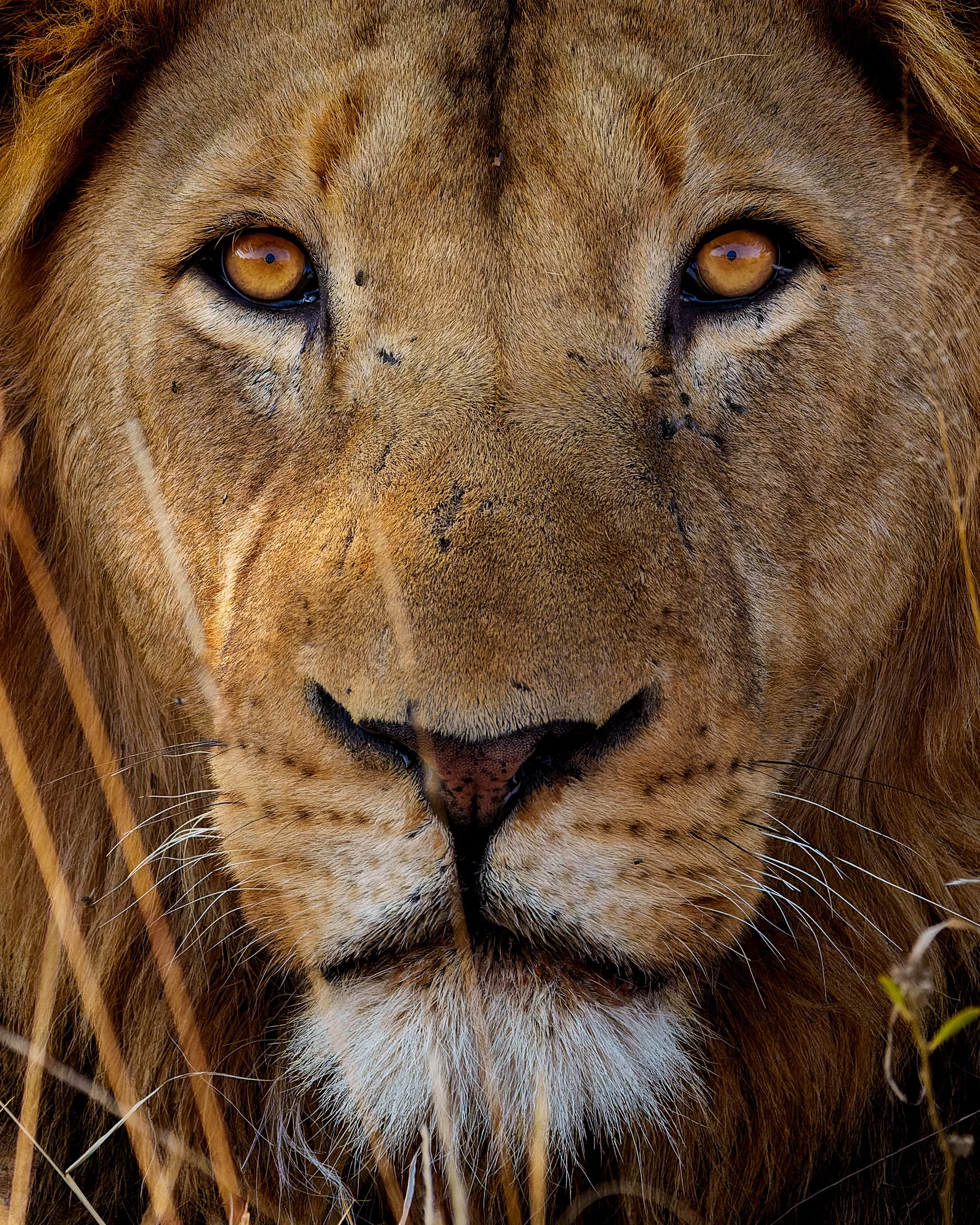
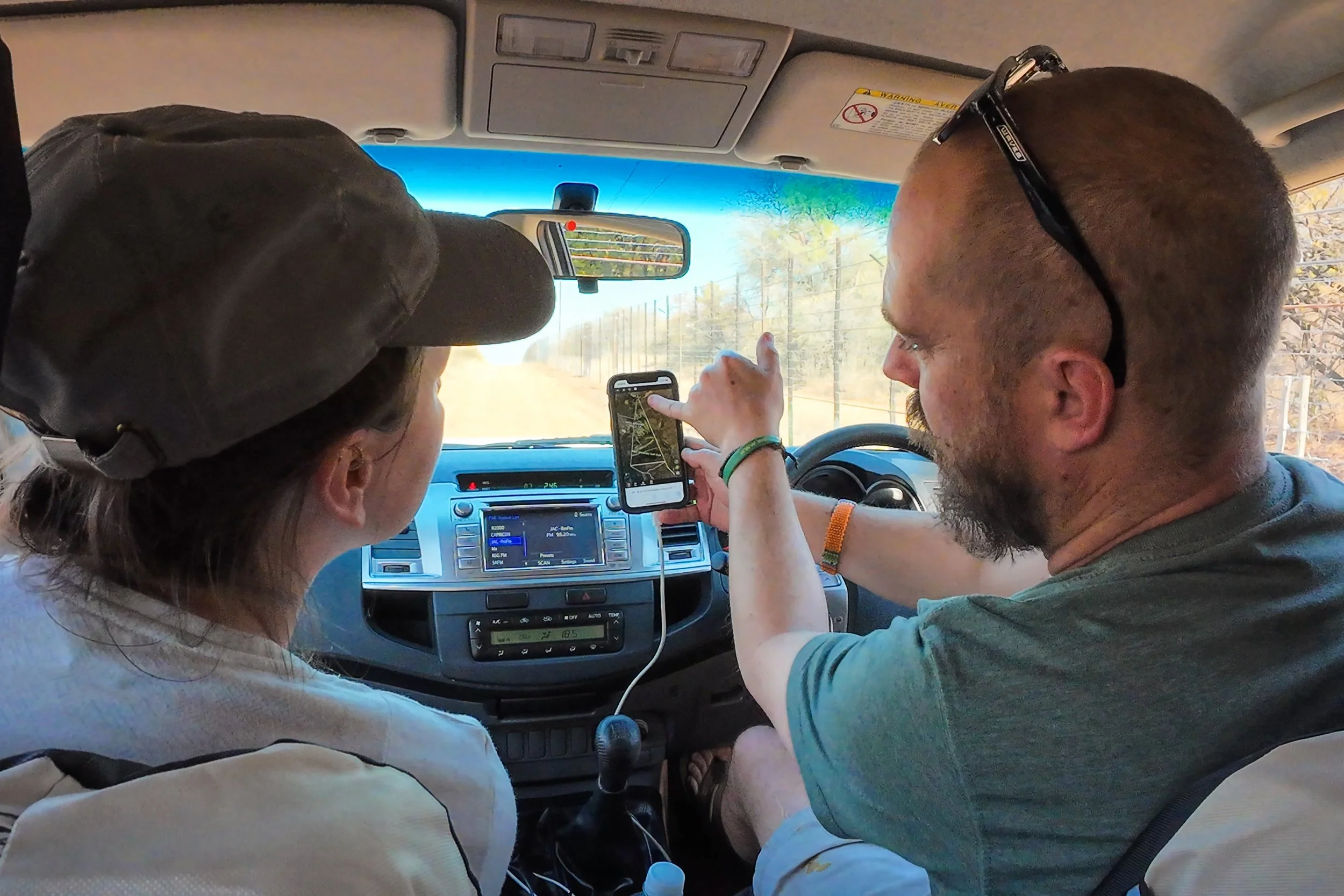
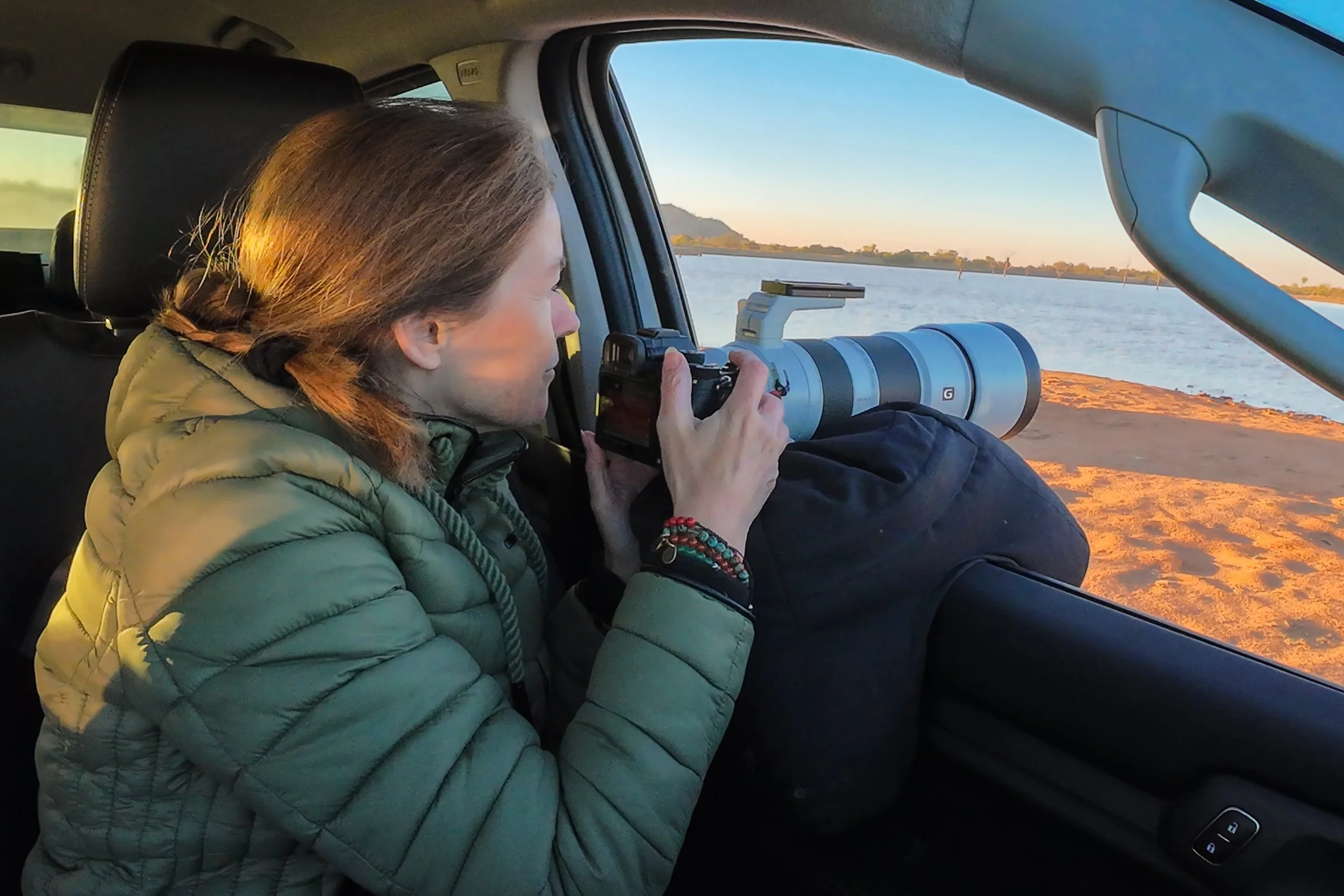
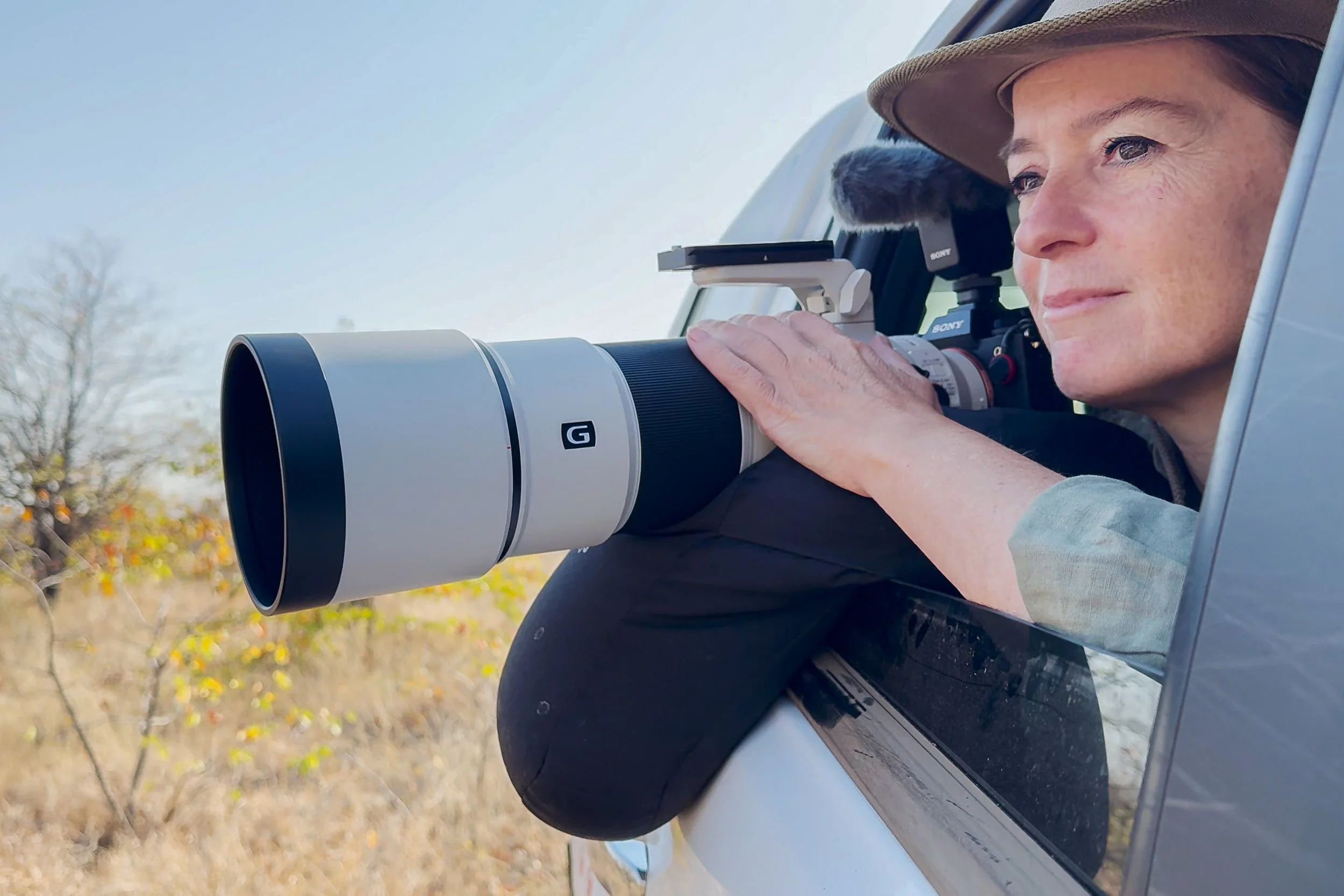
The survey uses a scientific method known as spatial capture–recapture to estimate the lion population size. By systematically driving the road network and photographing lions from both sides of the face, researchers can identify individuals using their unique whisker spot patterns, nature’s equivalent of fingerprints.
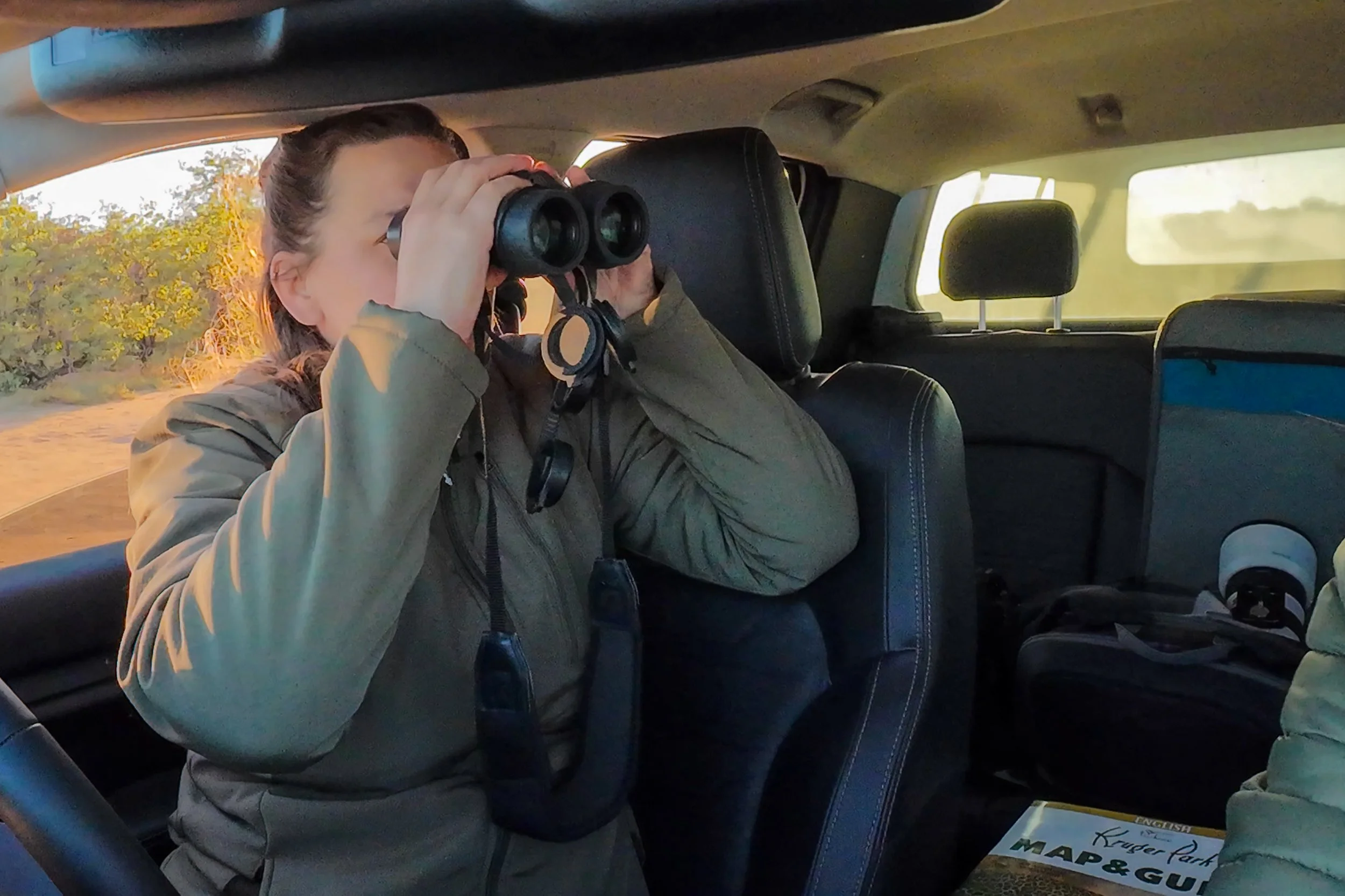
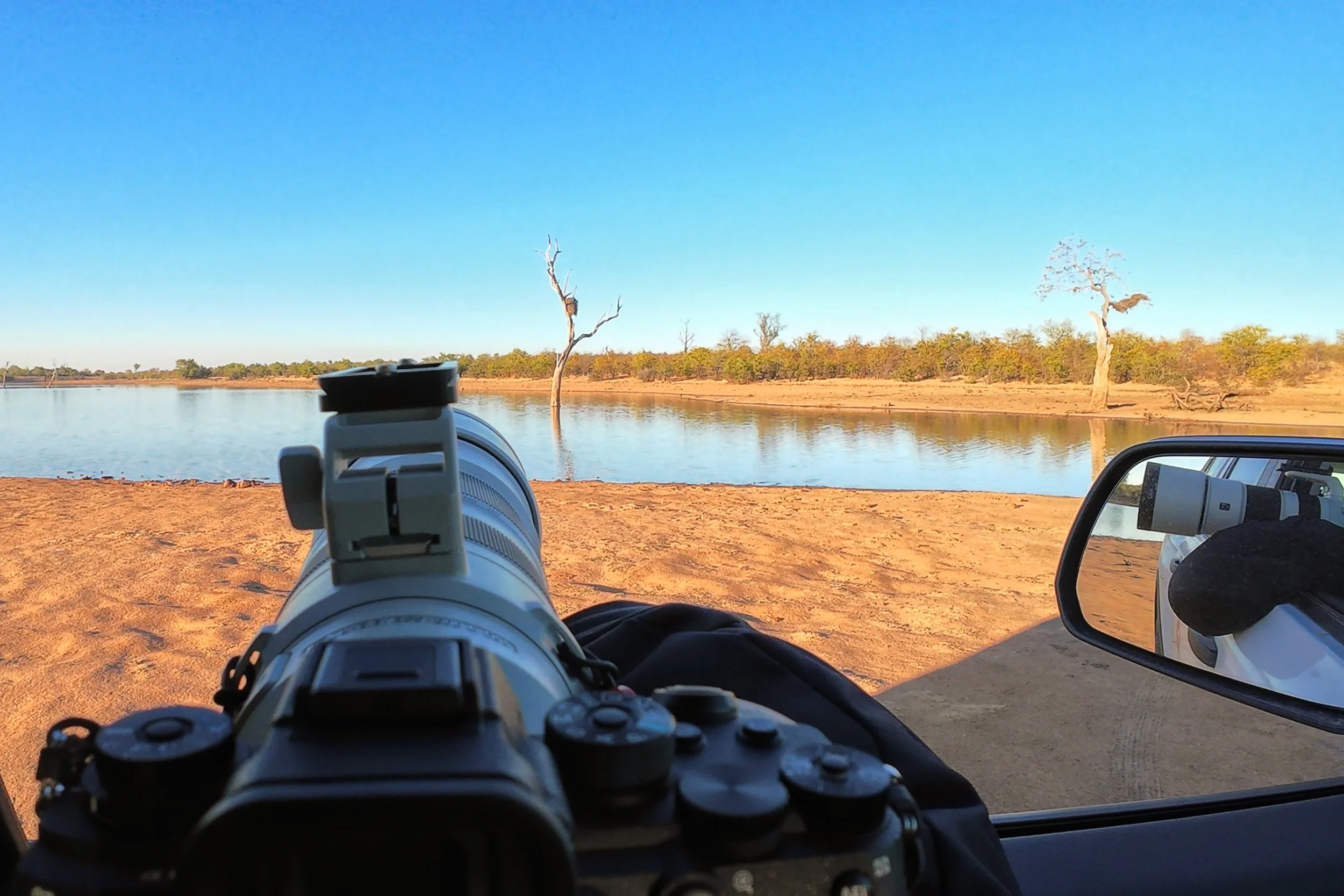
During the survey, my role involved searching for lions in the field, documenting sightings and taking the identification photographs needed for this research. This hands-on experience allowed me to observe lion behaviour up close while contributing directly to ongoing conservation work.

Fingerprints of the Pride
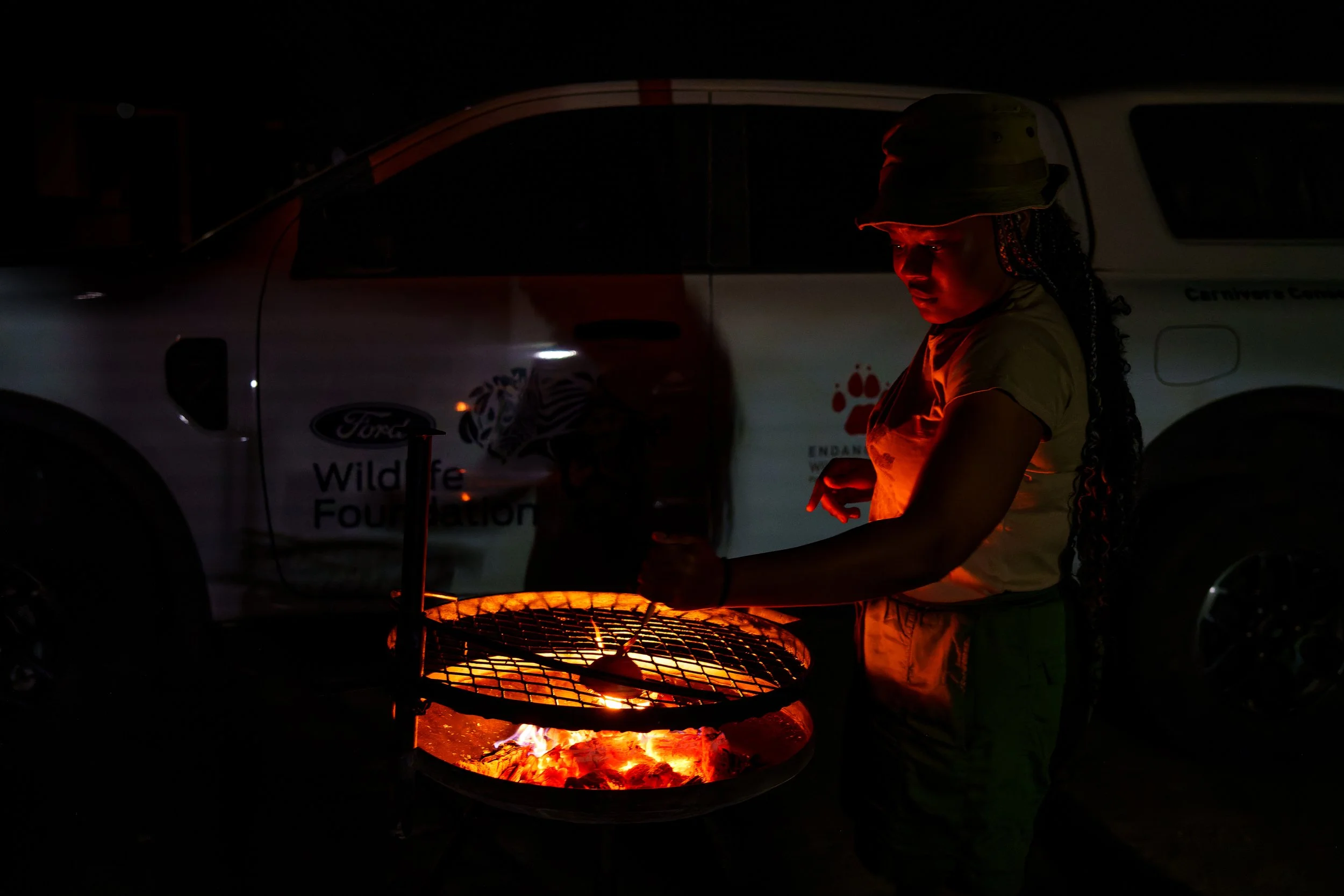
Fingerprints of the Pride documents this fieldwork and the science behind it, offering a rare behind-the-scenes look at how lion populations are monitored in one of Africa’s largest protected areas. The film follows the survey team as they spend long days in the field, systematically searching for lions and carefully documenting each encounter. Through repeated sightings, detailed identification photography and patient data collection, brief moments with these powerful predators are transformed into valuable scientific information.
By combining close-up encounters with lions and the vast landscapes of northern Kruger, the documentary highlights the dedication and careful methodology required to study and protect these animals, showing how modern wildlife science quietly works to safeguard one of Africa’s most iconic species.
“Being in the field, helping to locate and photograph lions, gave me a unique perspective on their lives and conservation needs.”