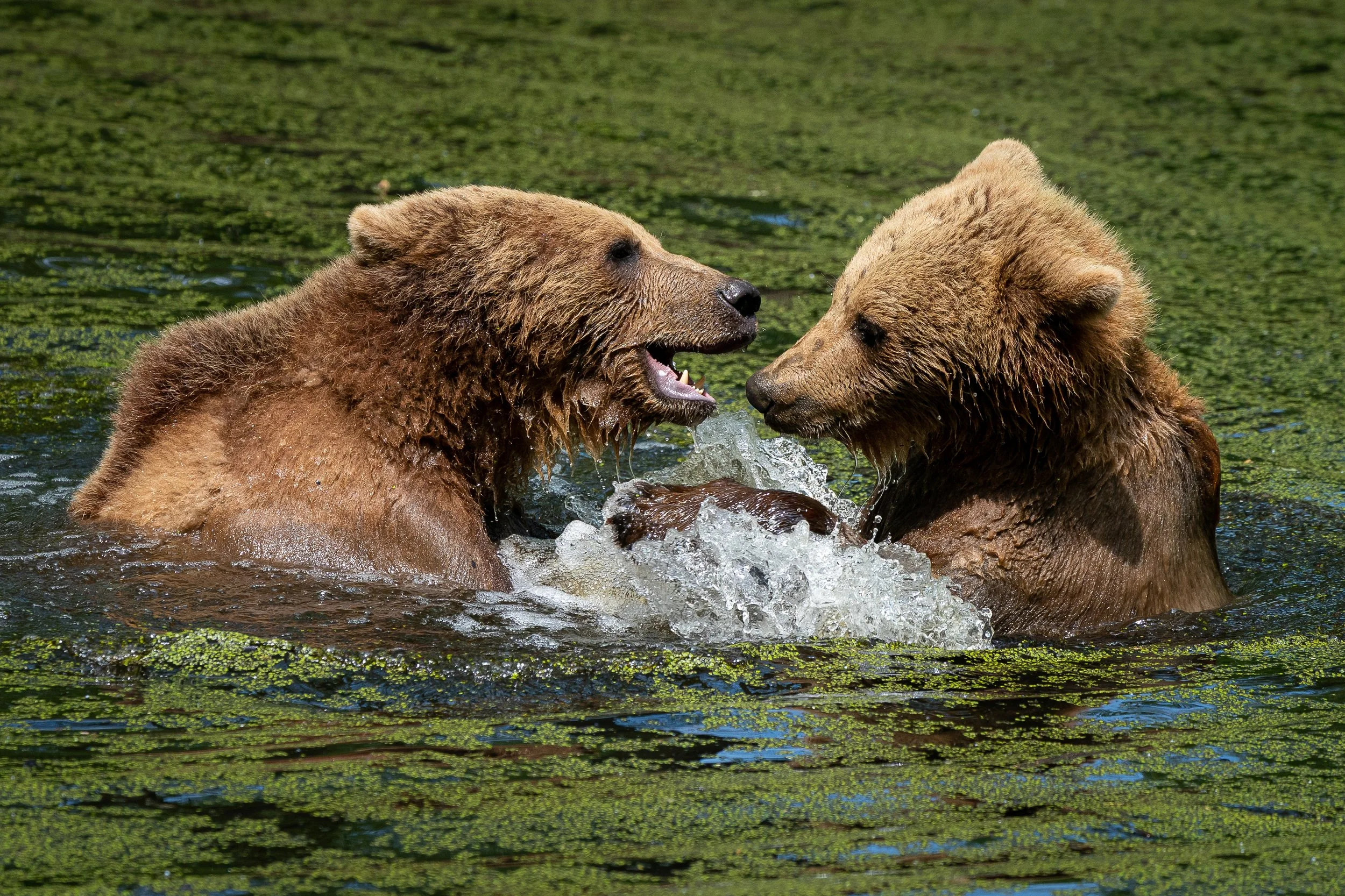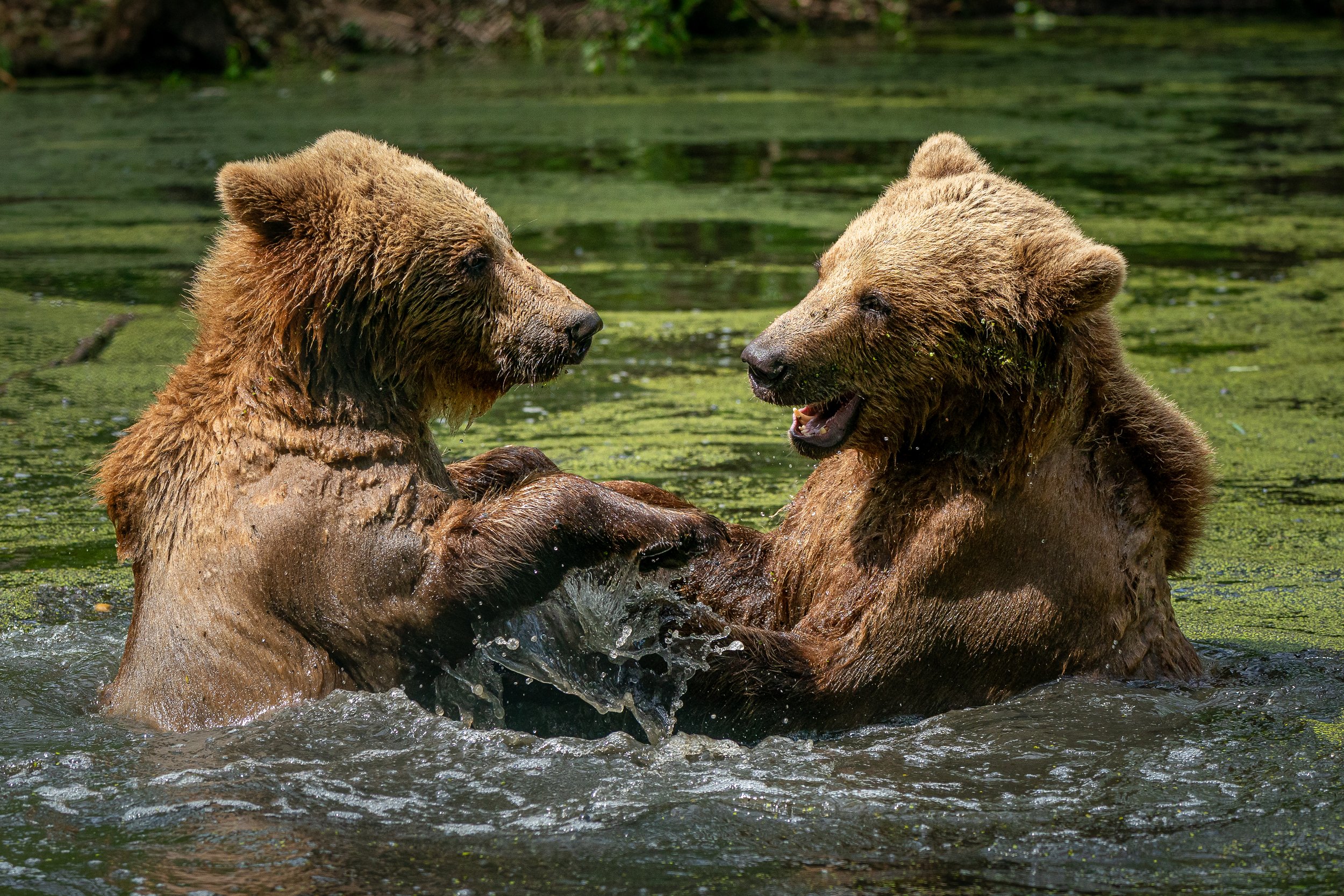
Captive wildlife
The start of my wildlife photography journey
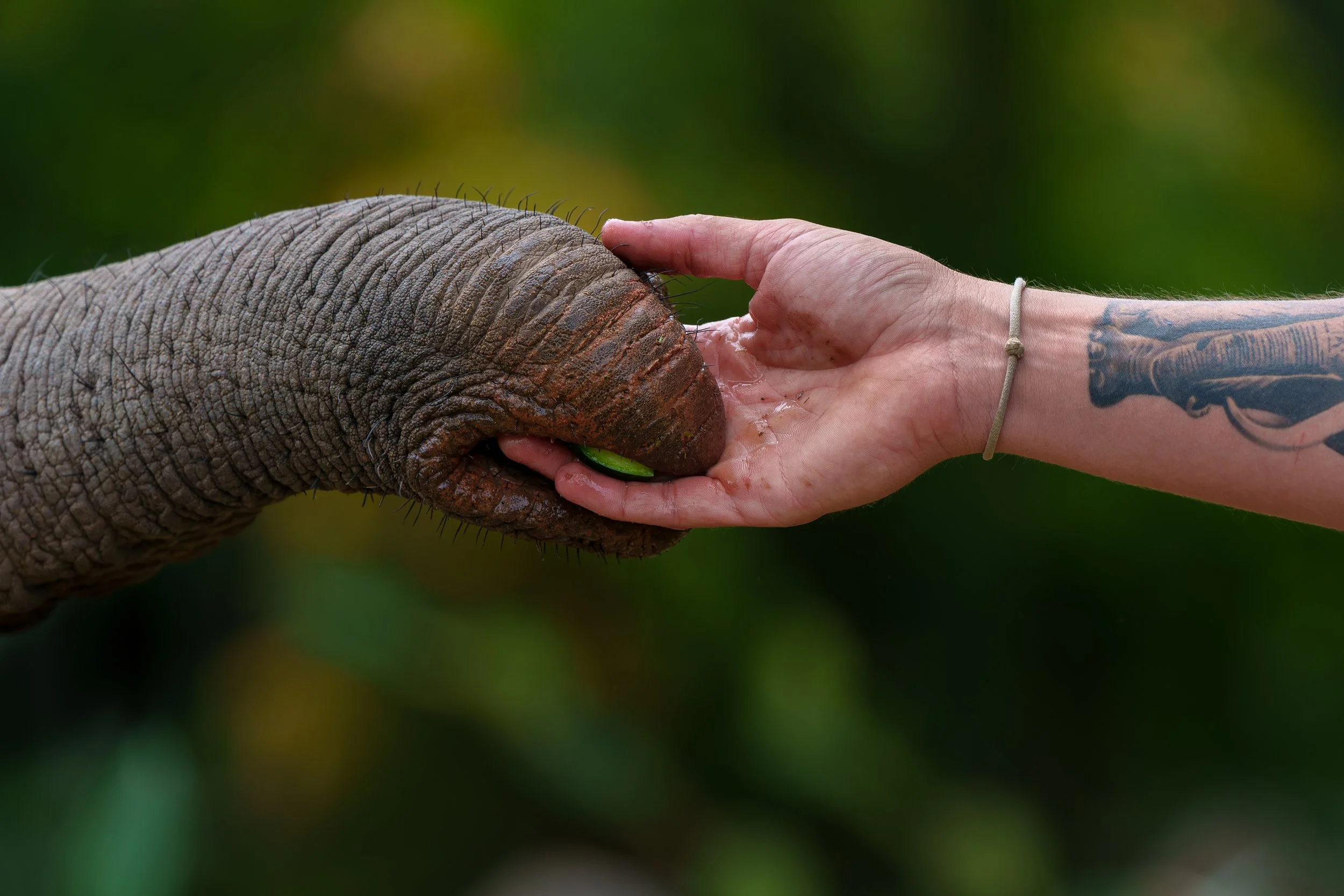
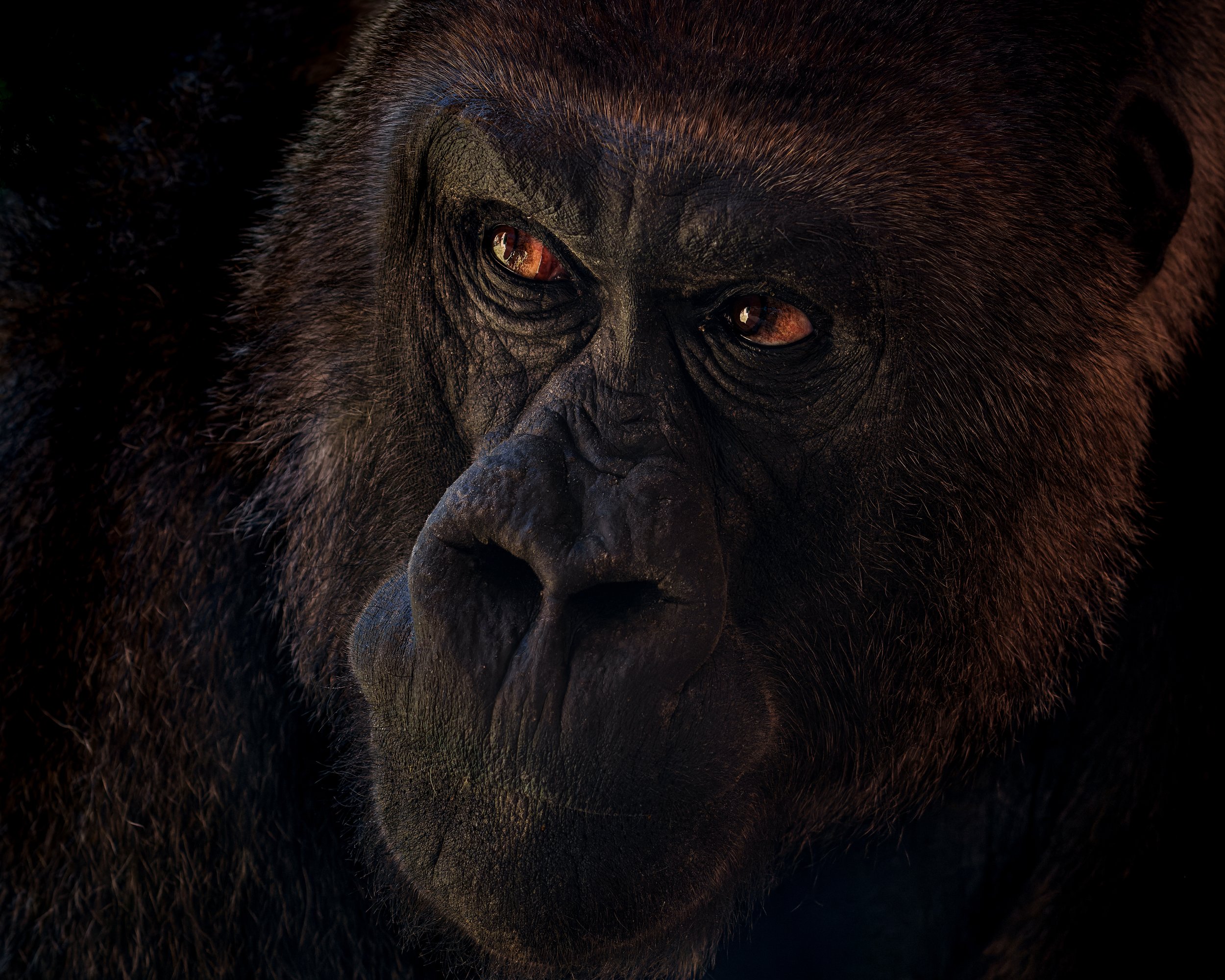
My wildlife photography journey began in zoos, where I spent many hours observing and photographing animals I had always been fascinated by. These locations allowed me to be close to wildlife and helped me develop my skills as a photographer while learning to recognize animal behaviour and individual personalities.
During this time, I also completed several internships as a zookeeper, gaining hands-on experience working with a variety of species. These experiences deepened my understanding of animal behaviour, welfare and the role that education and conservation breeding programs can play in modern zoological institutions.
I am aware that captive wildlife settings vary widely in standards and purpose, and that they are often part of a broader and sometimes complex conservation and welfare discussion. Many modern zoological institutions, however, contribute to education, research and conservation initiatives, including support for in-situ conservation projects.
There is a well-known quote that says: “We cannot protect something we do not love, we cannot love what we do not know, and we cannot know what we do not see.” For many people, zoos are the first place where they develop a connection with wildlife and a deeper sense of awareness and empathy.
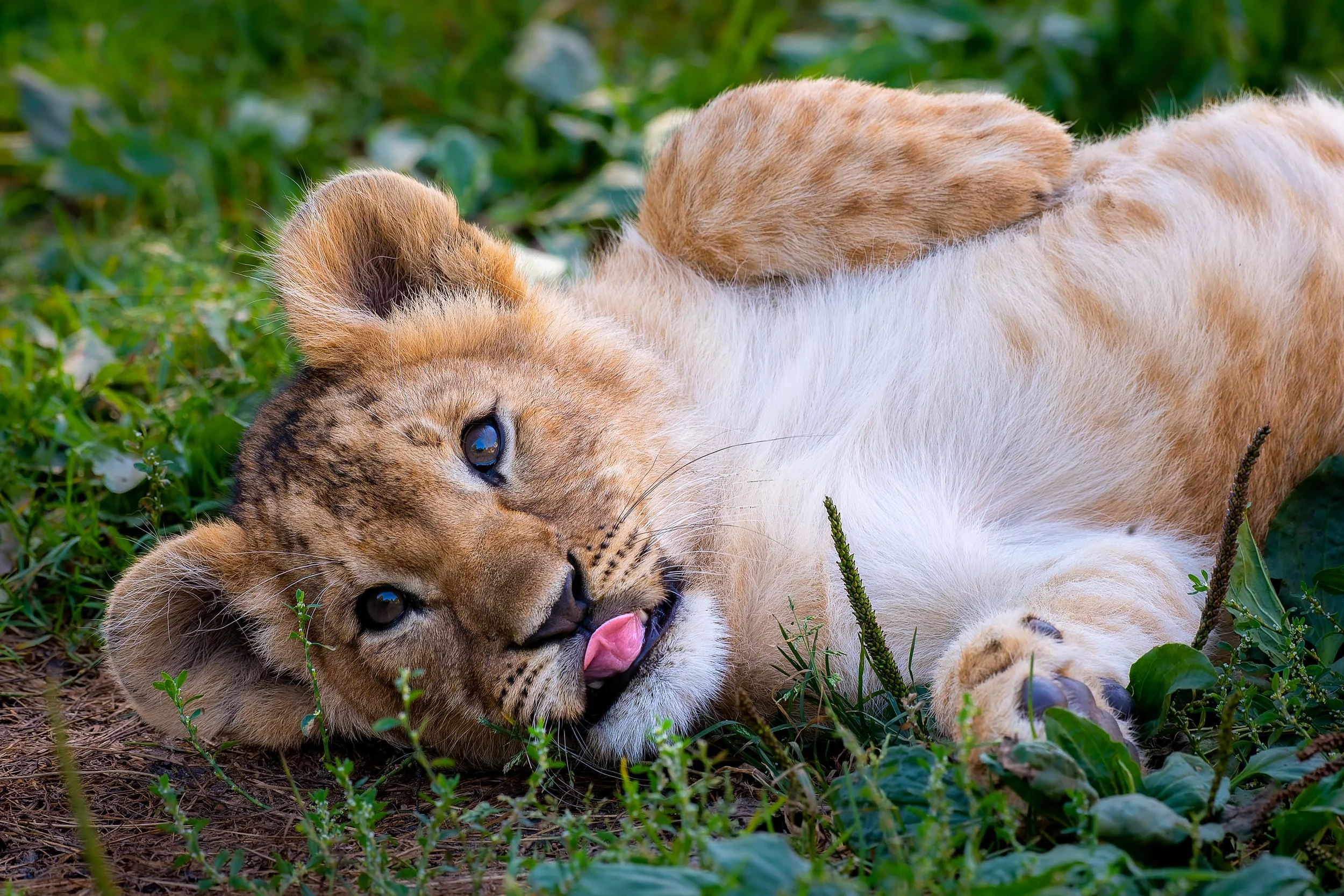
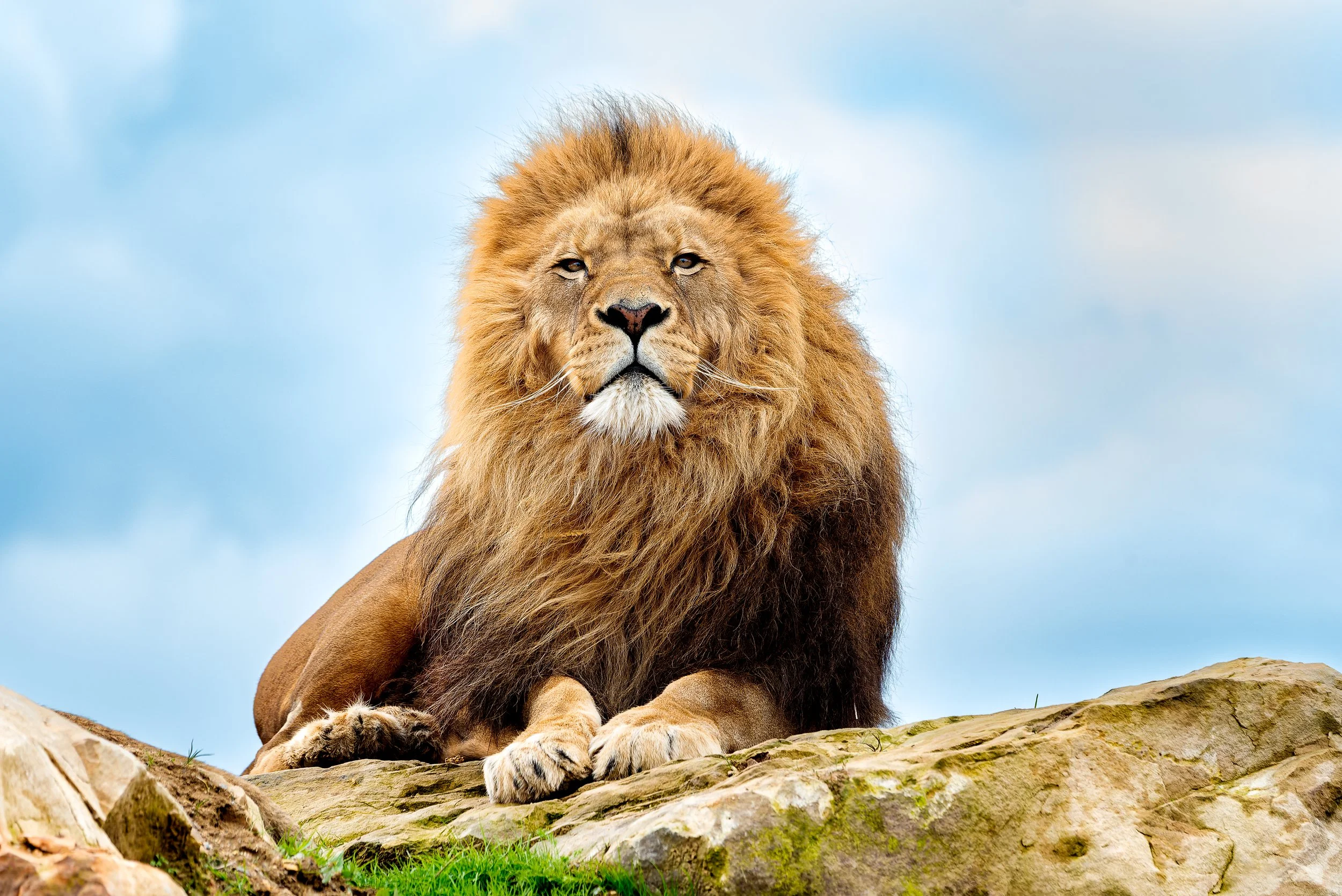
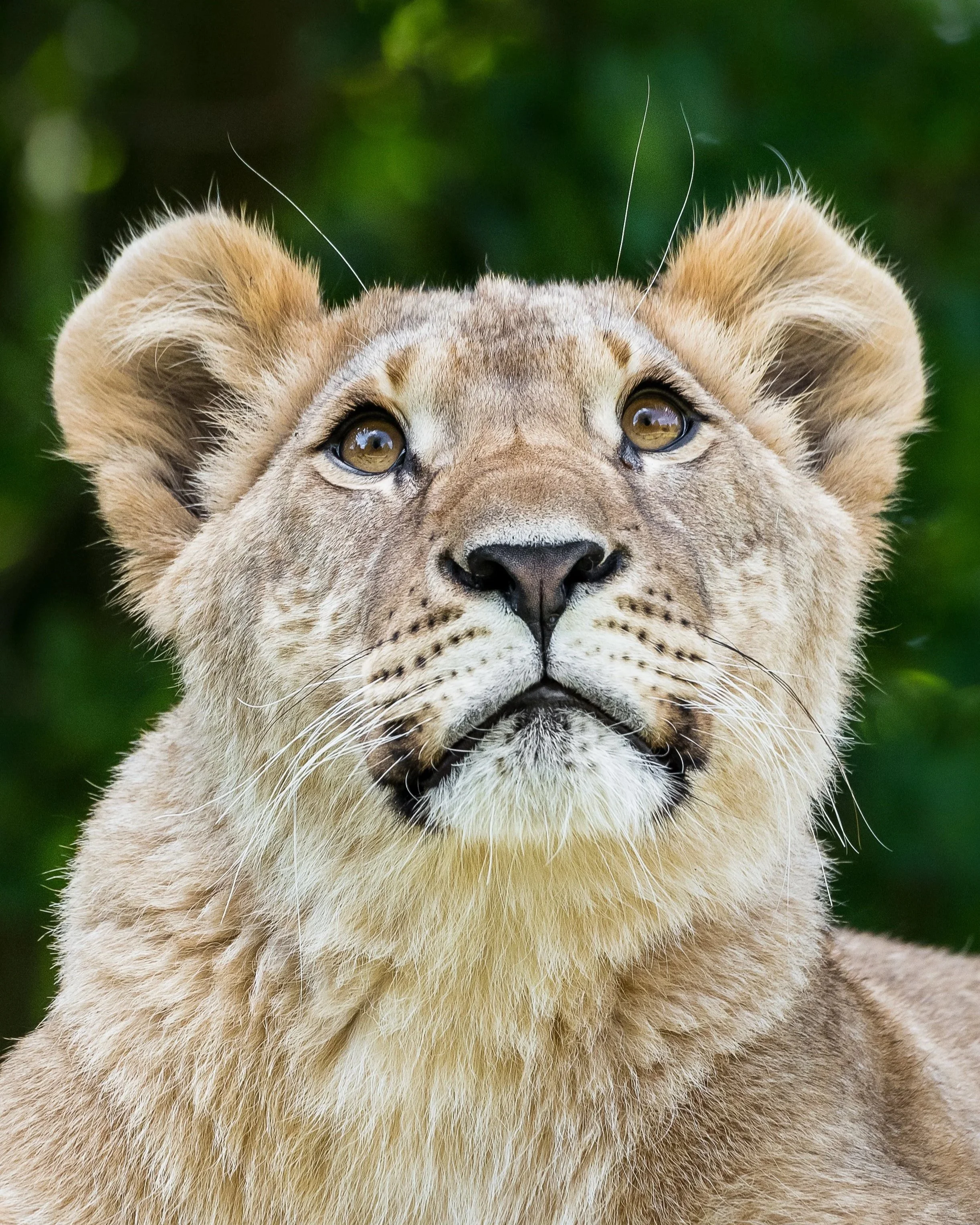
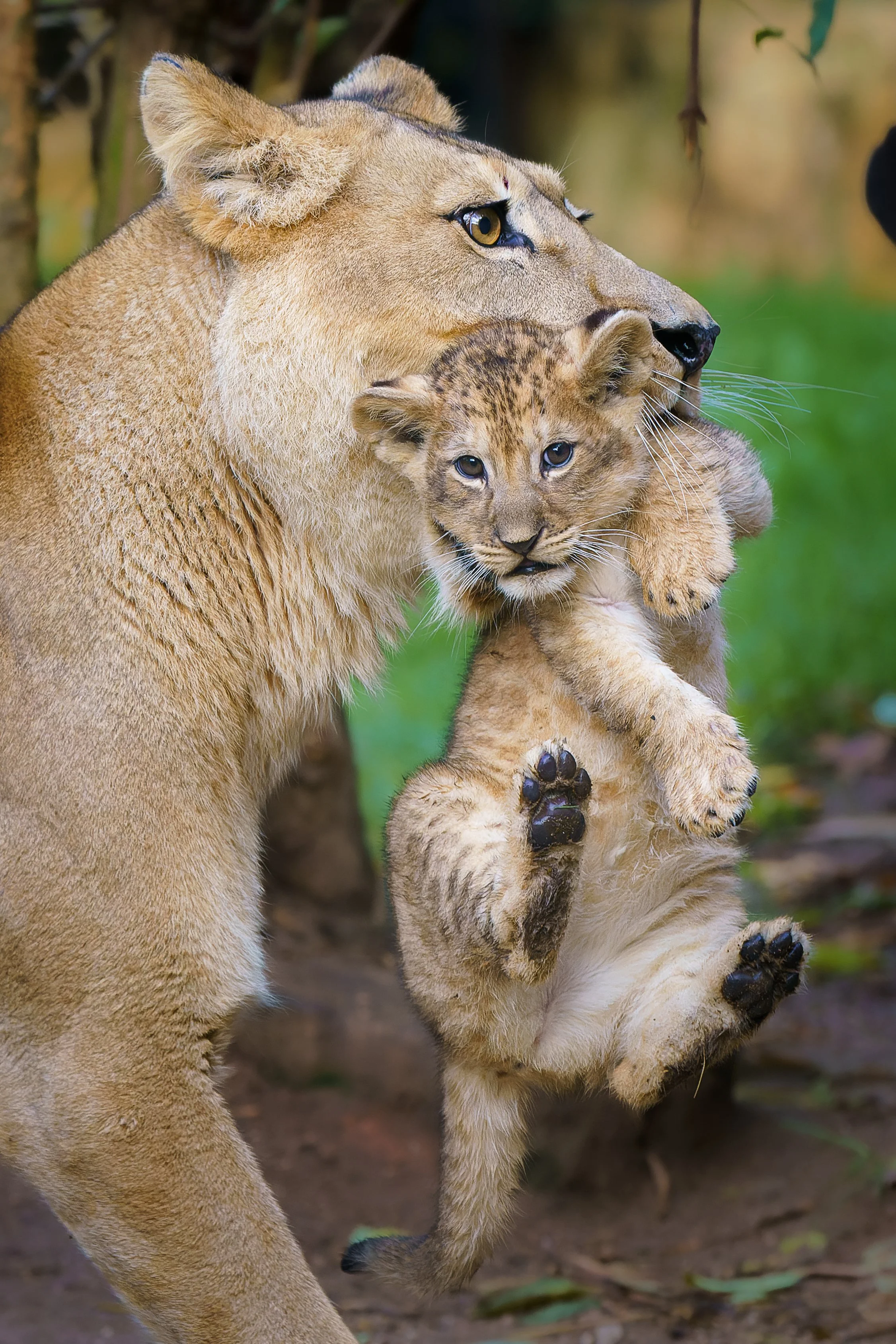
That has also been true in my own case. These early experiences sparked a lasting interest in carnivores, particularly big cats, which later led me to South Africa, where I became involved in lion monitoring activities, conservation-related field projects and documenting wildlife conservation work.
Looking back, these early encounters marked the beginning of my path as a wildlife storyteller, focused on both observing and documenting animals, as well as understanding the wider contexts in which wildlife is managed and conserved.
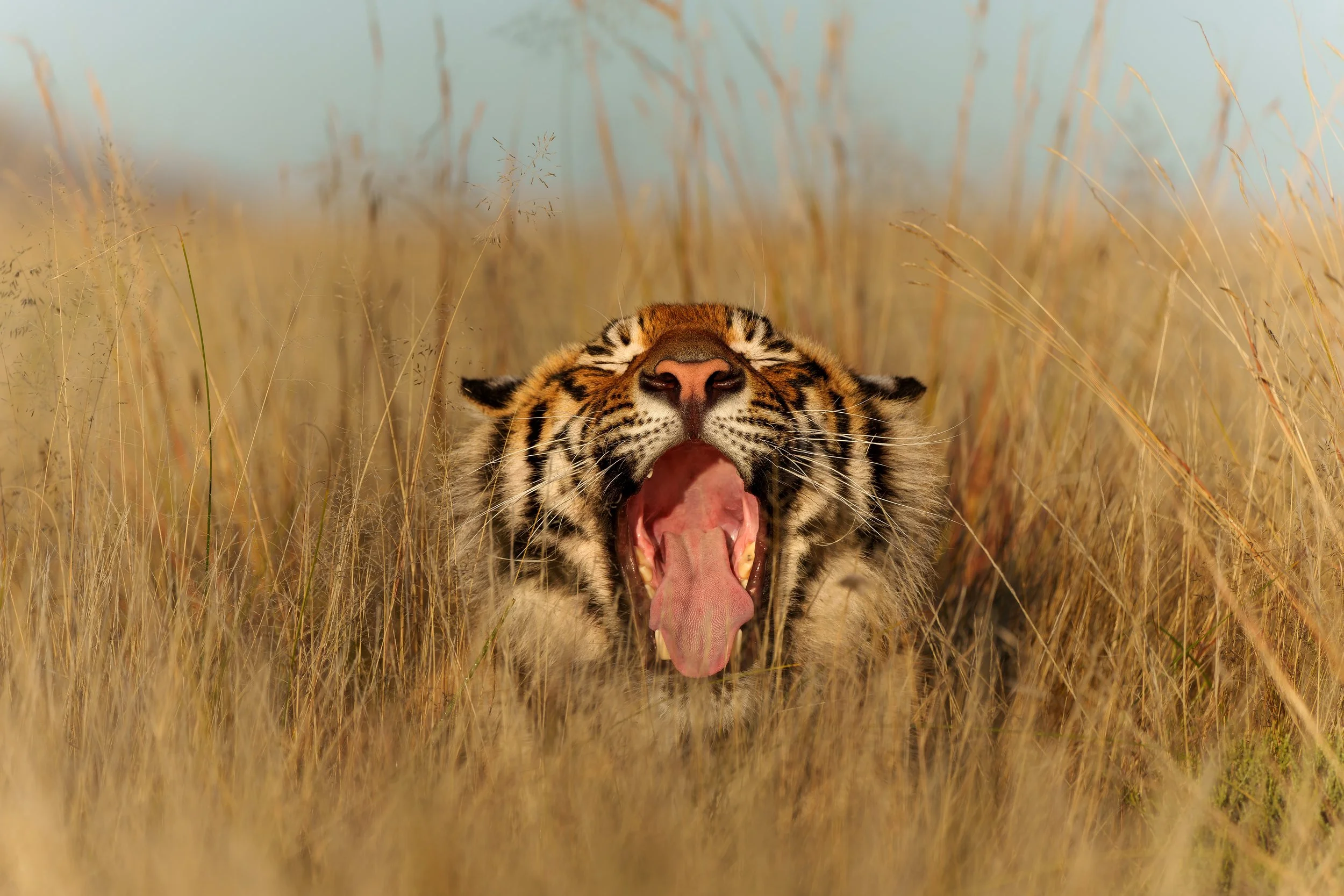
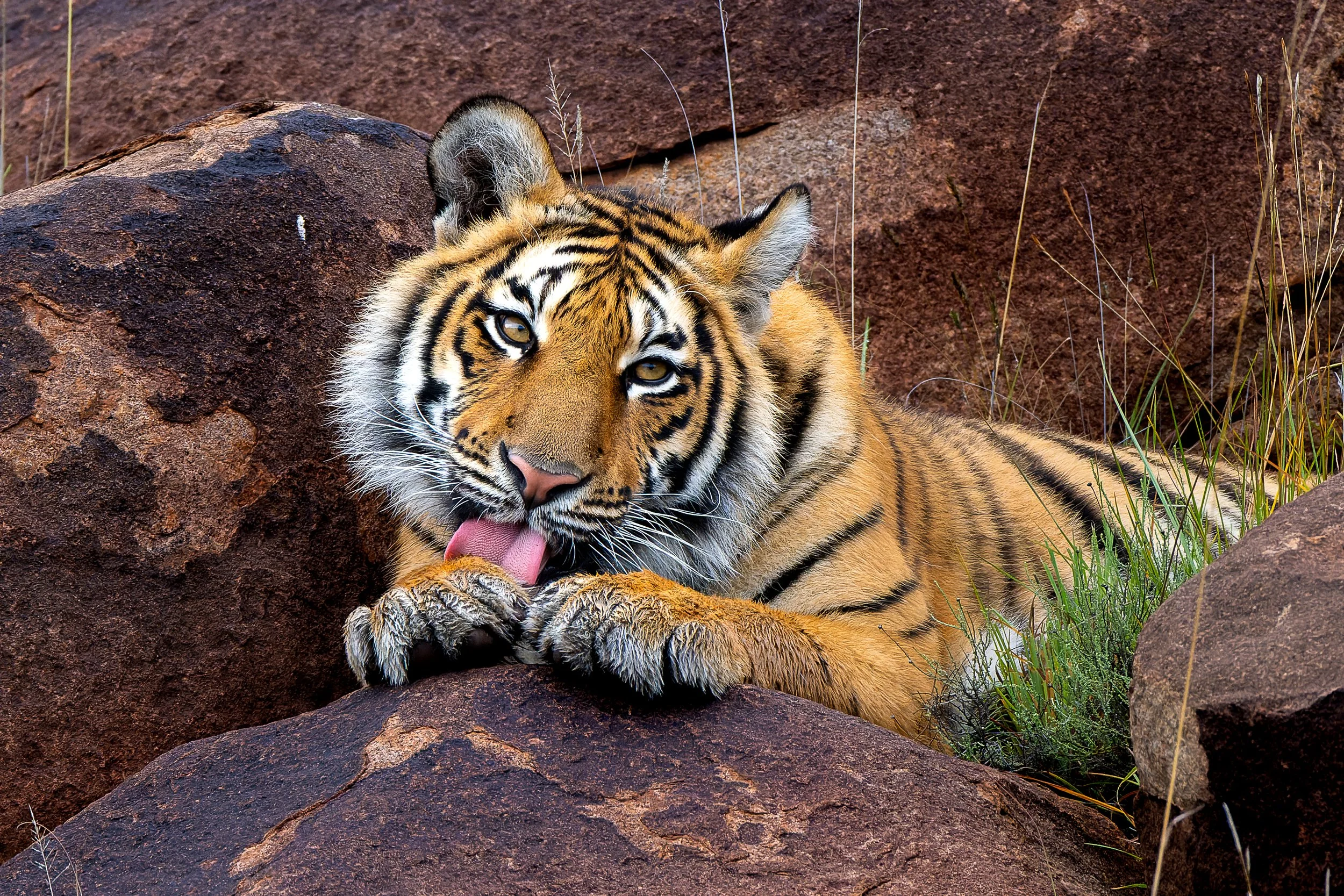
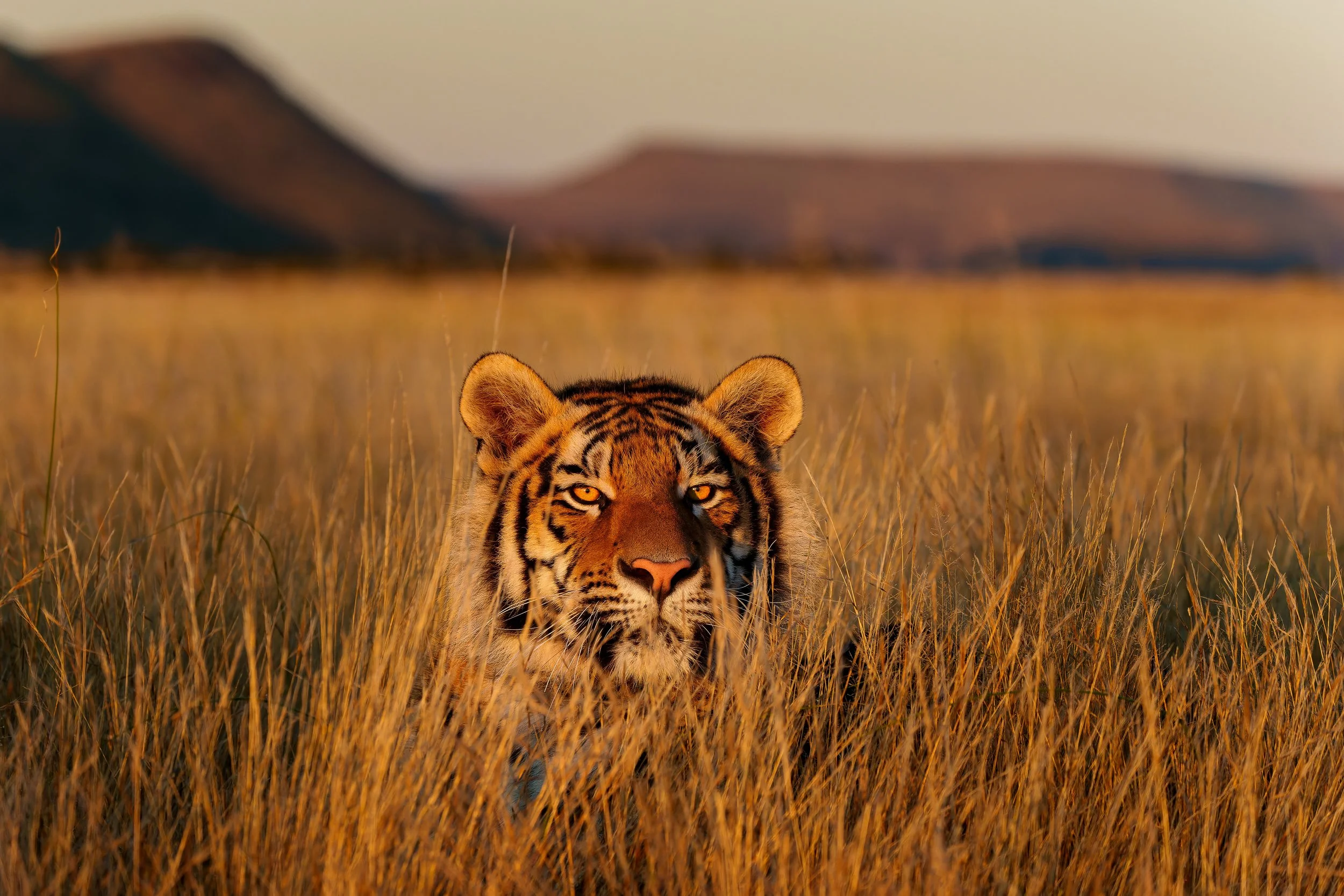
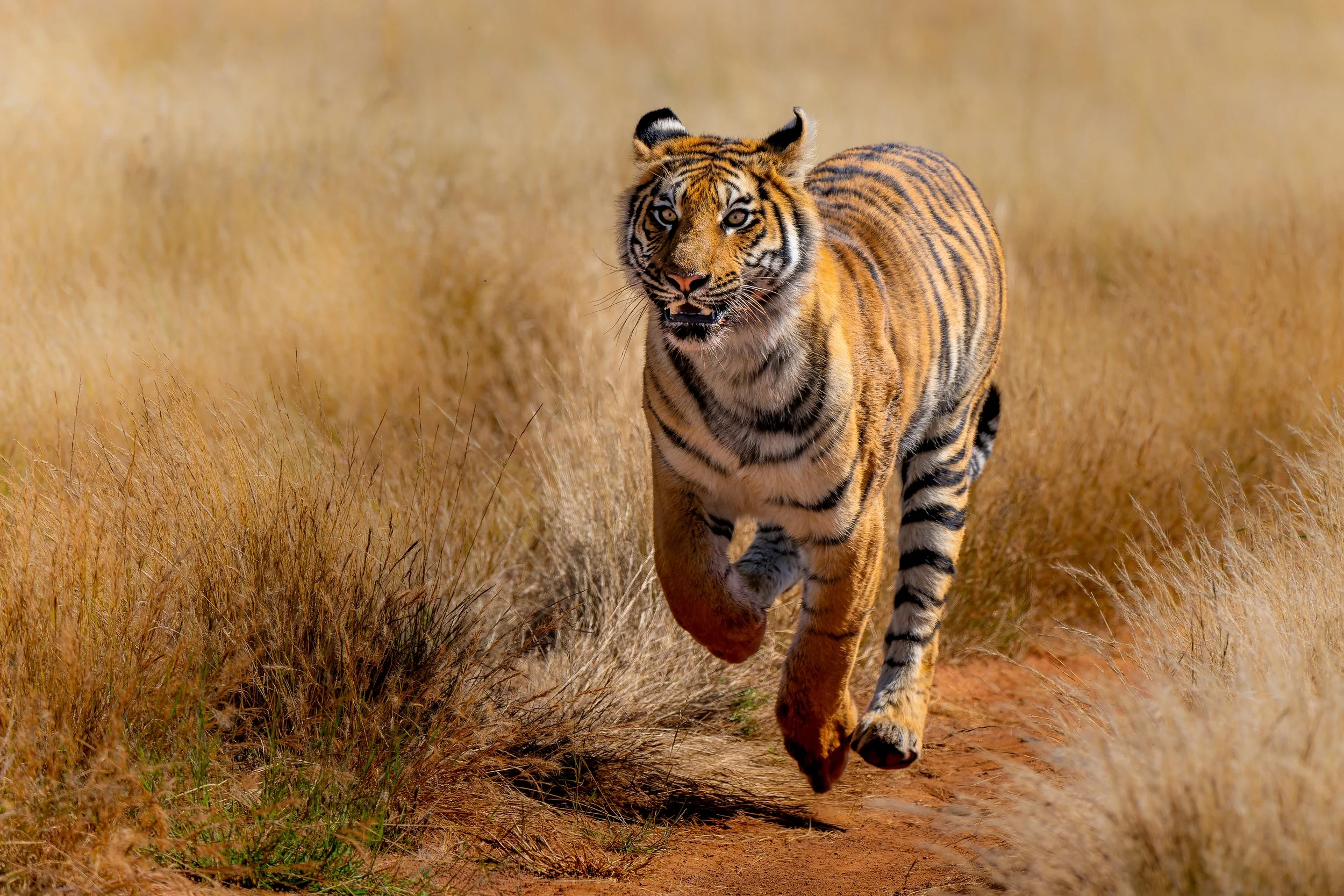
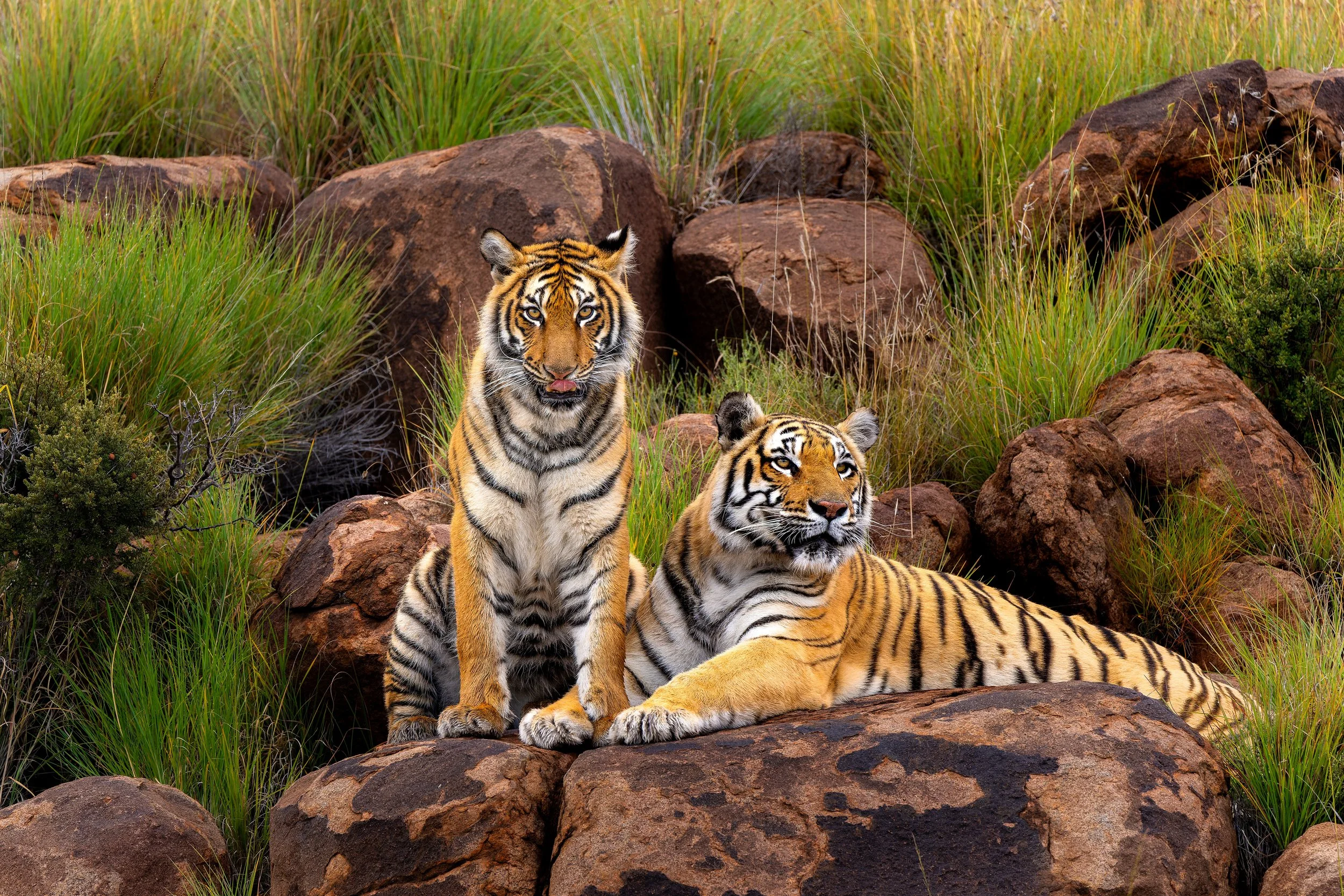
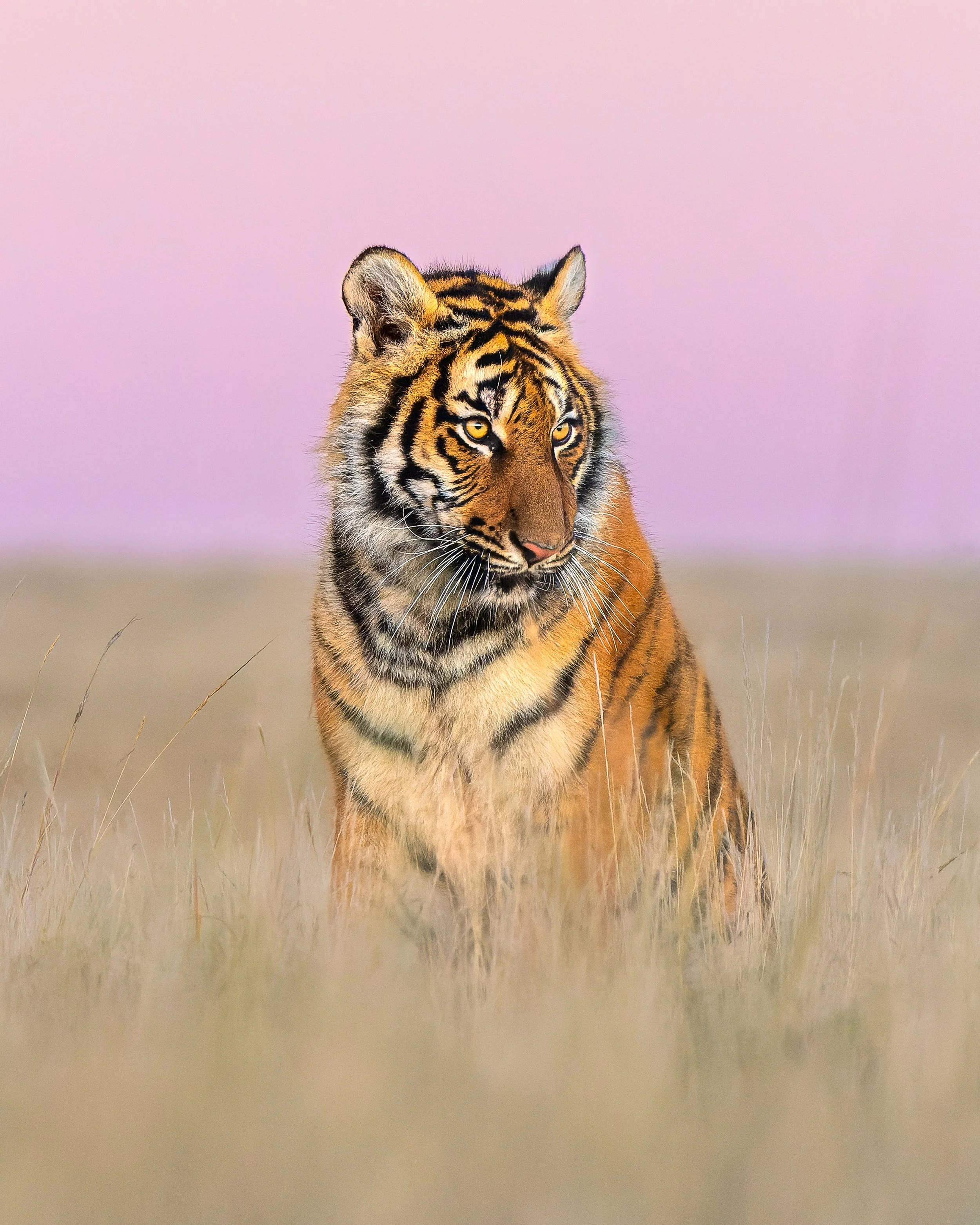
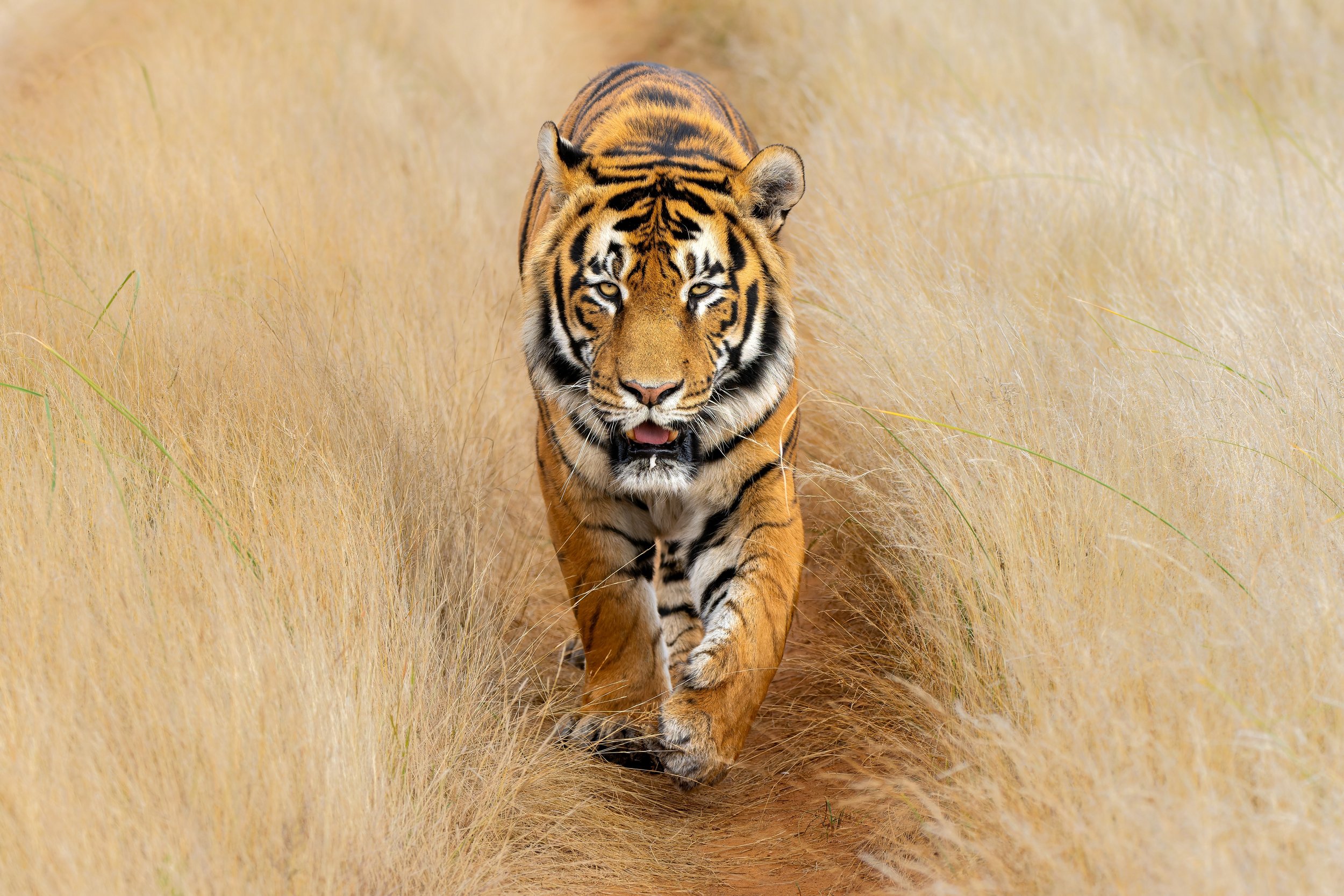
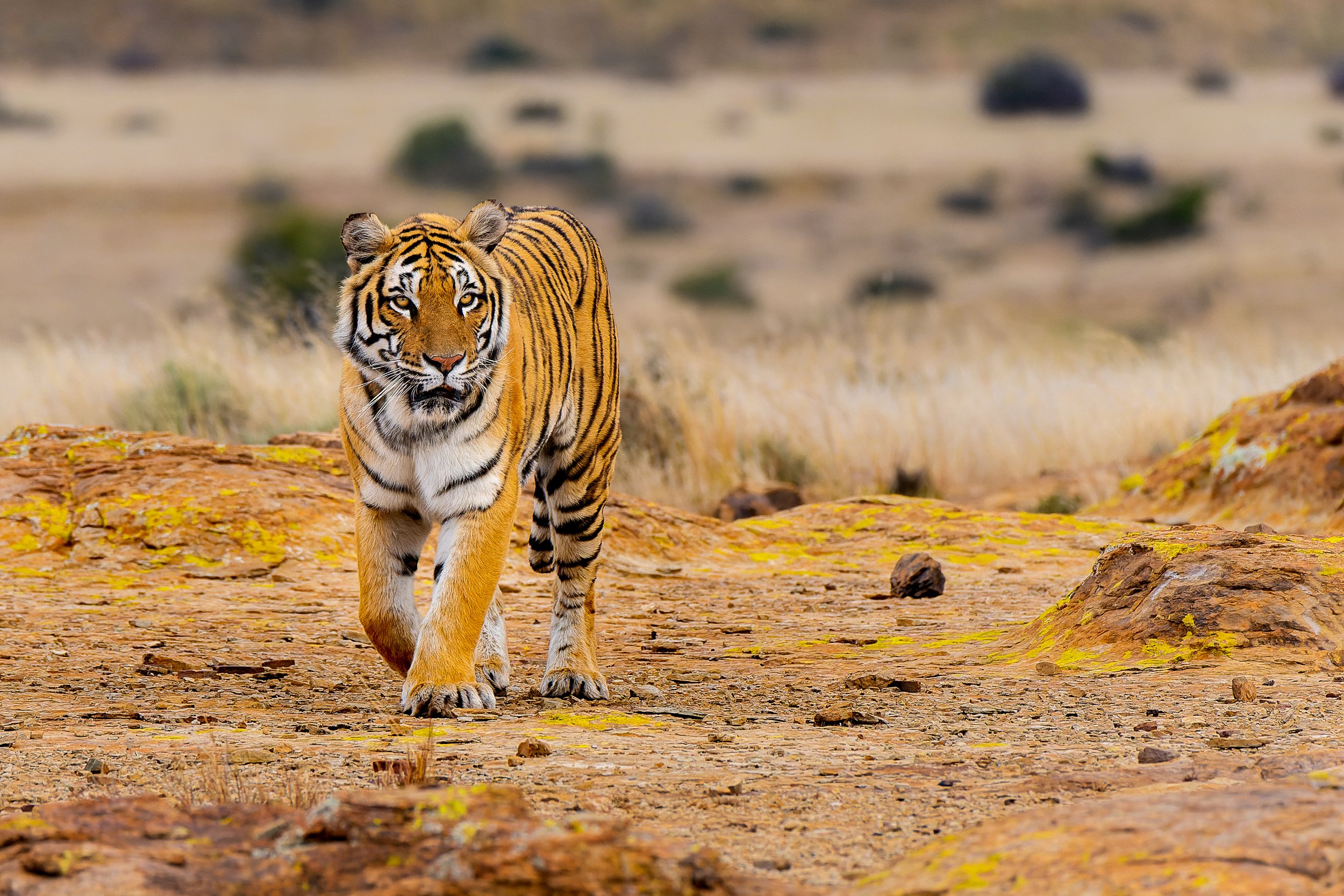
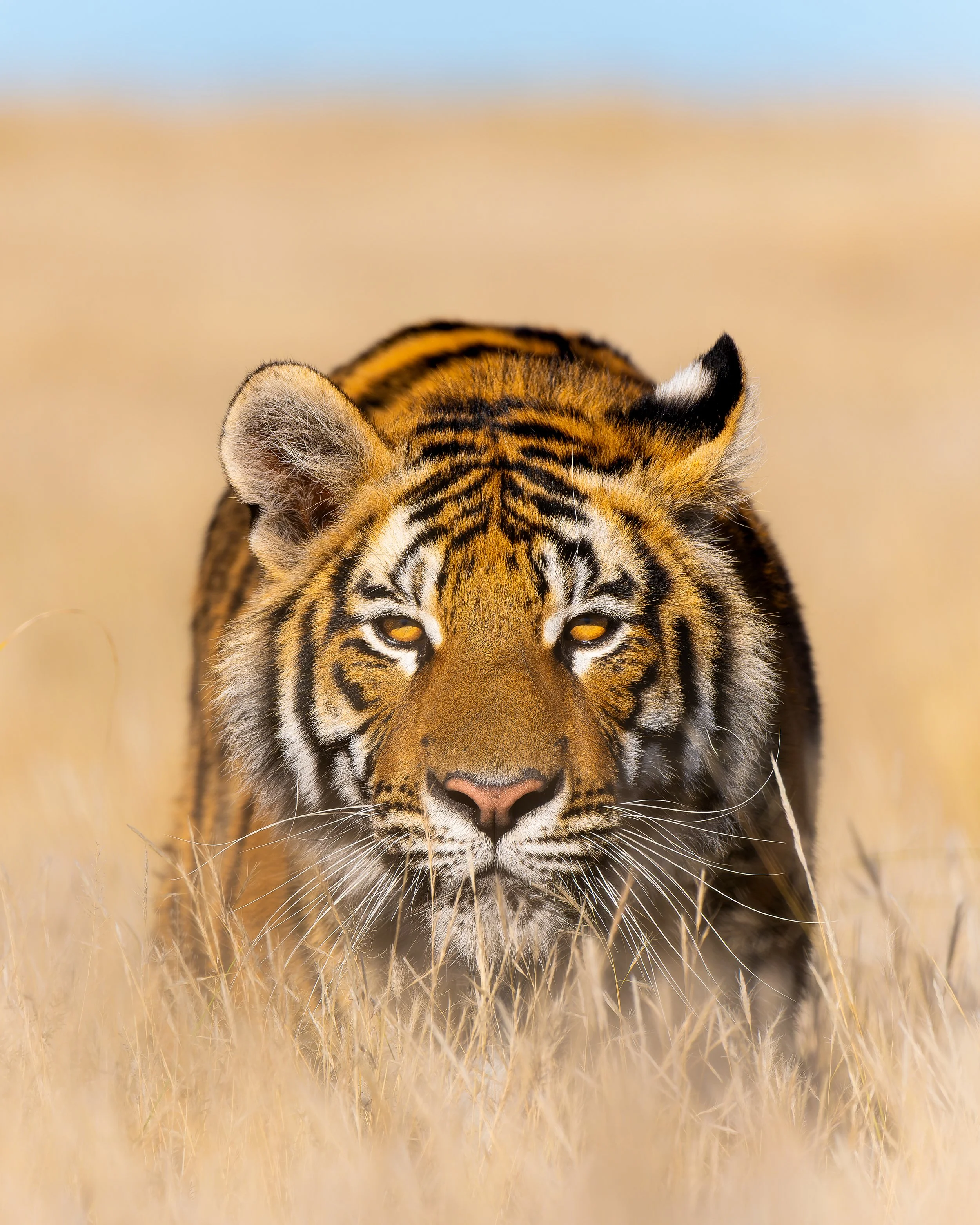
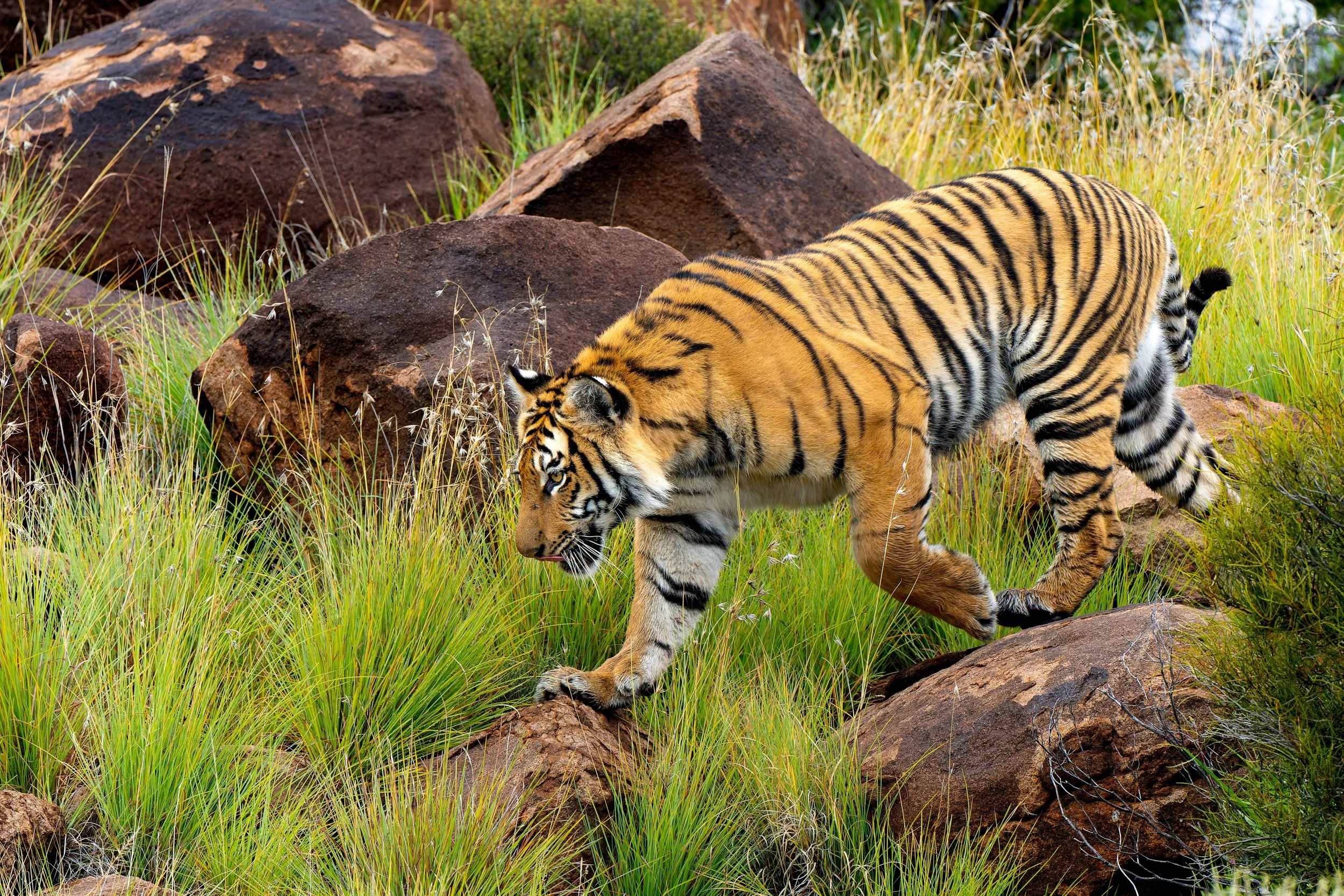
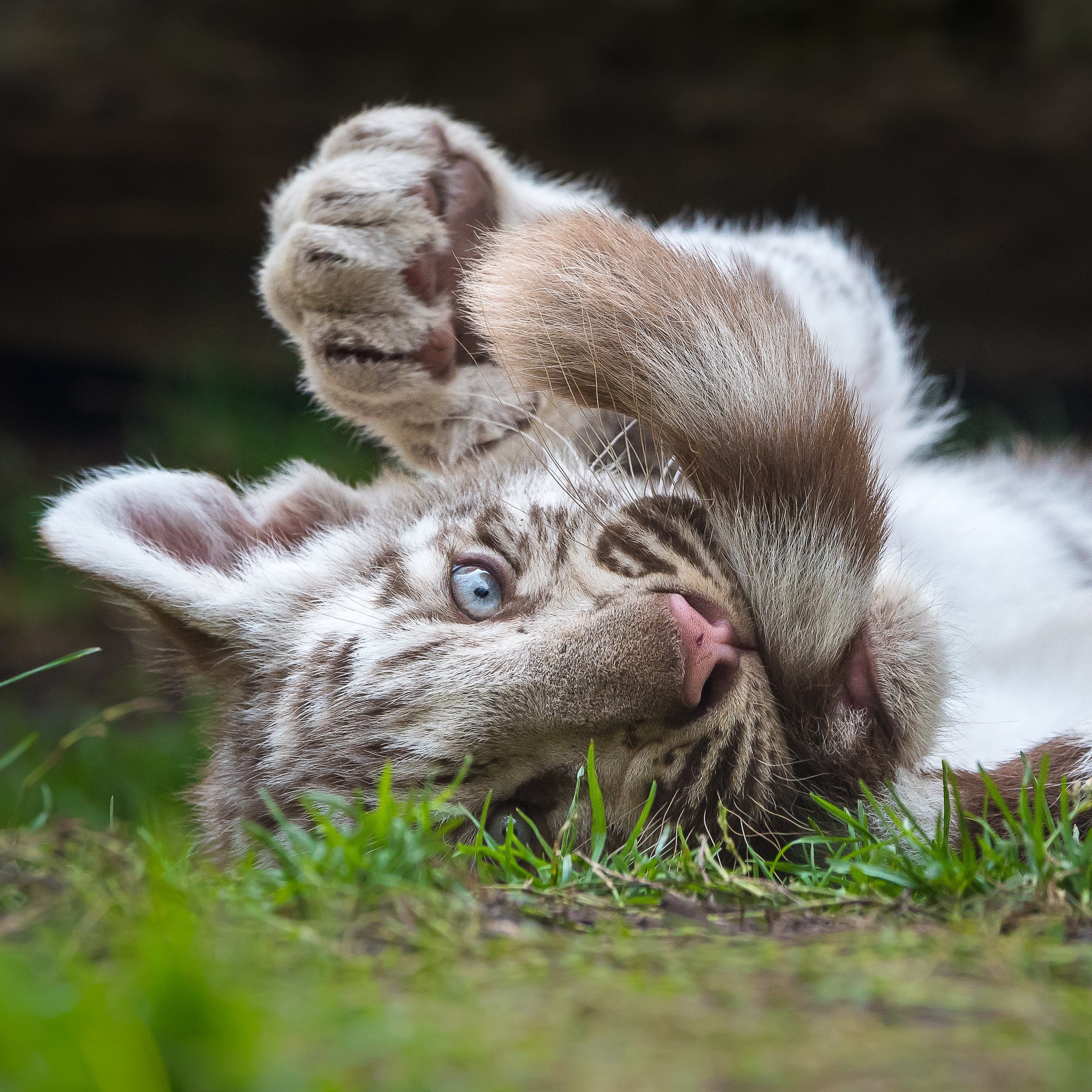
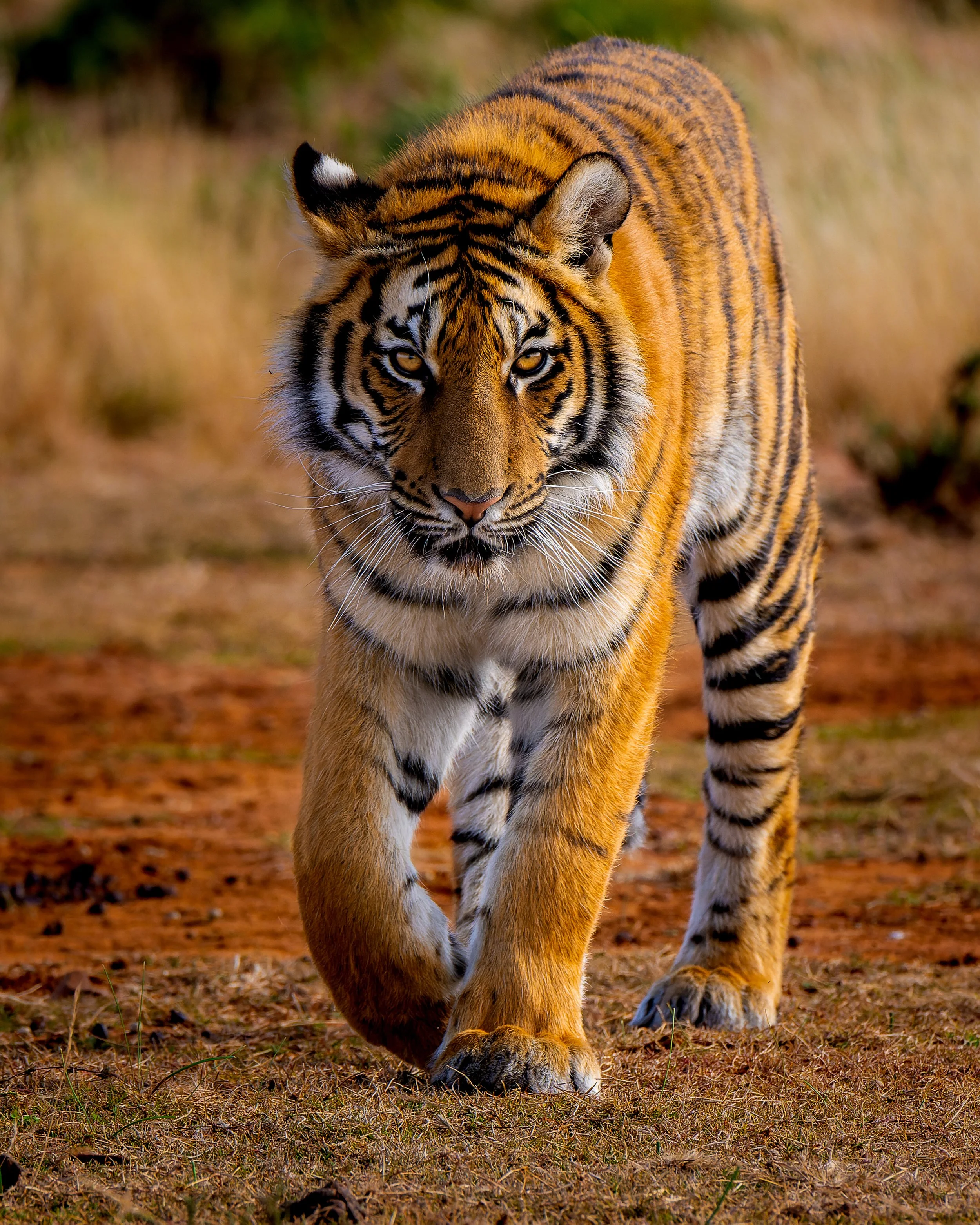
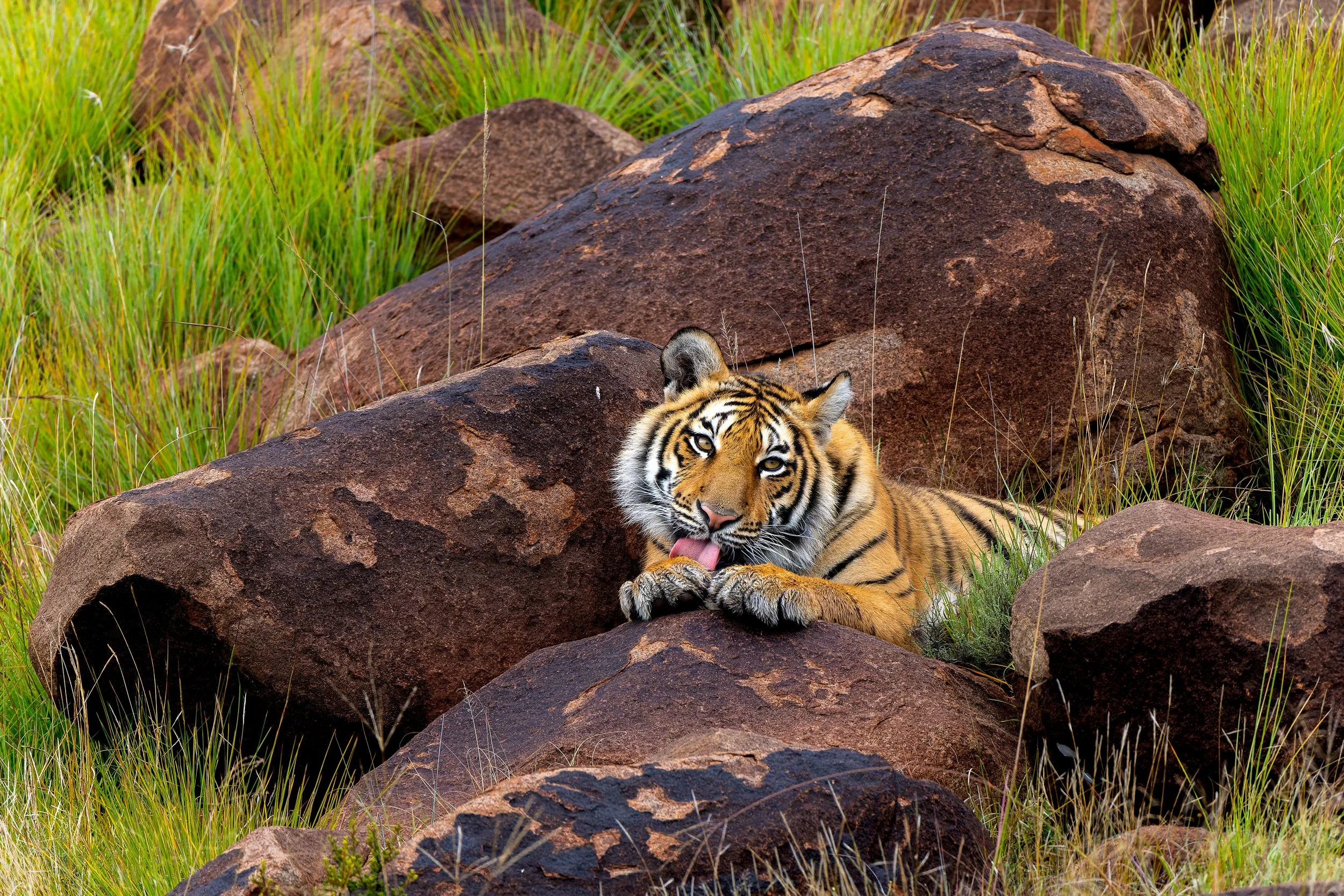
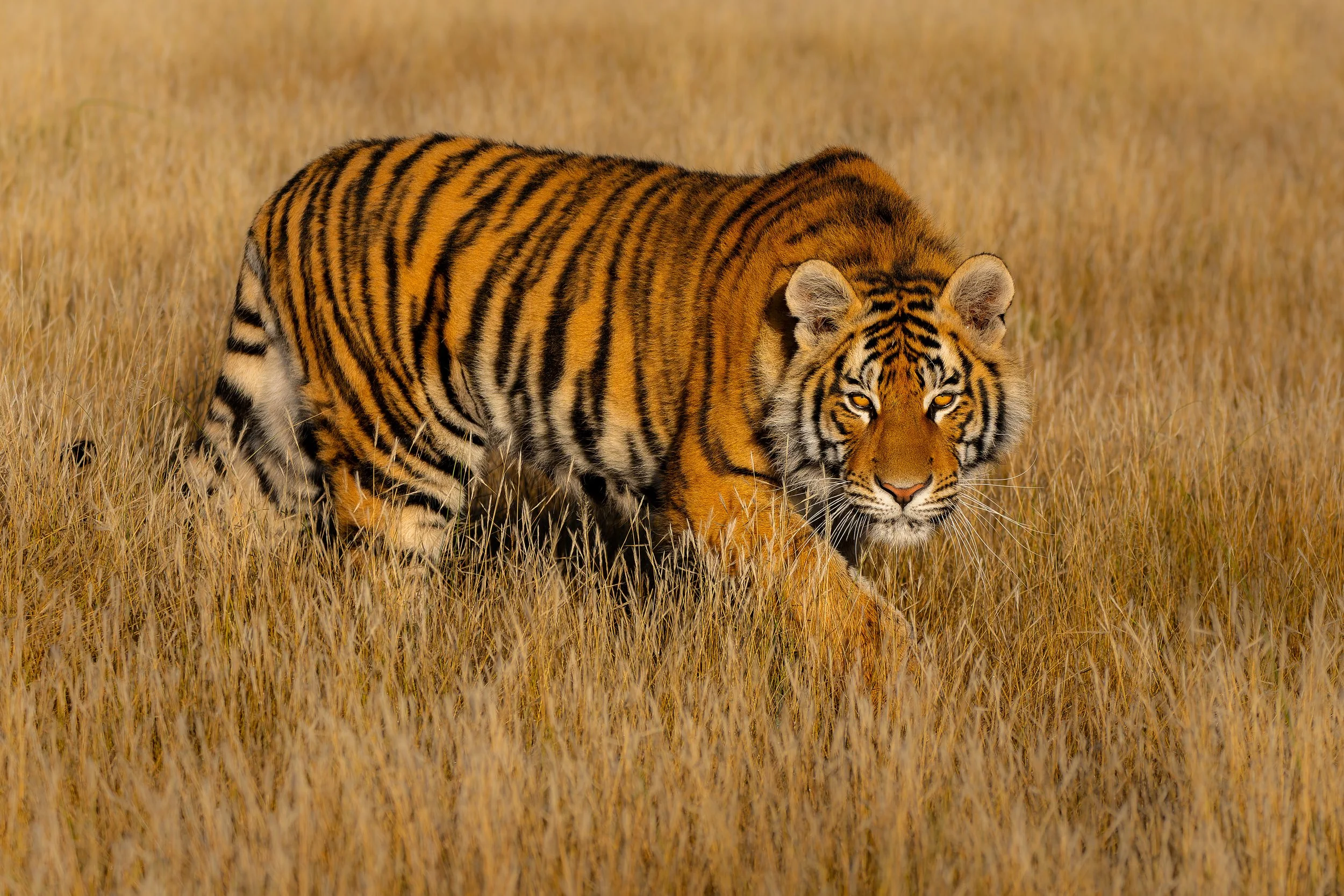
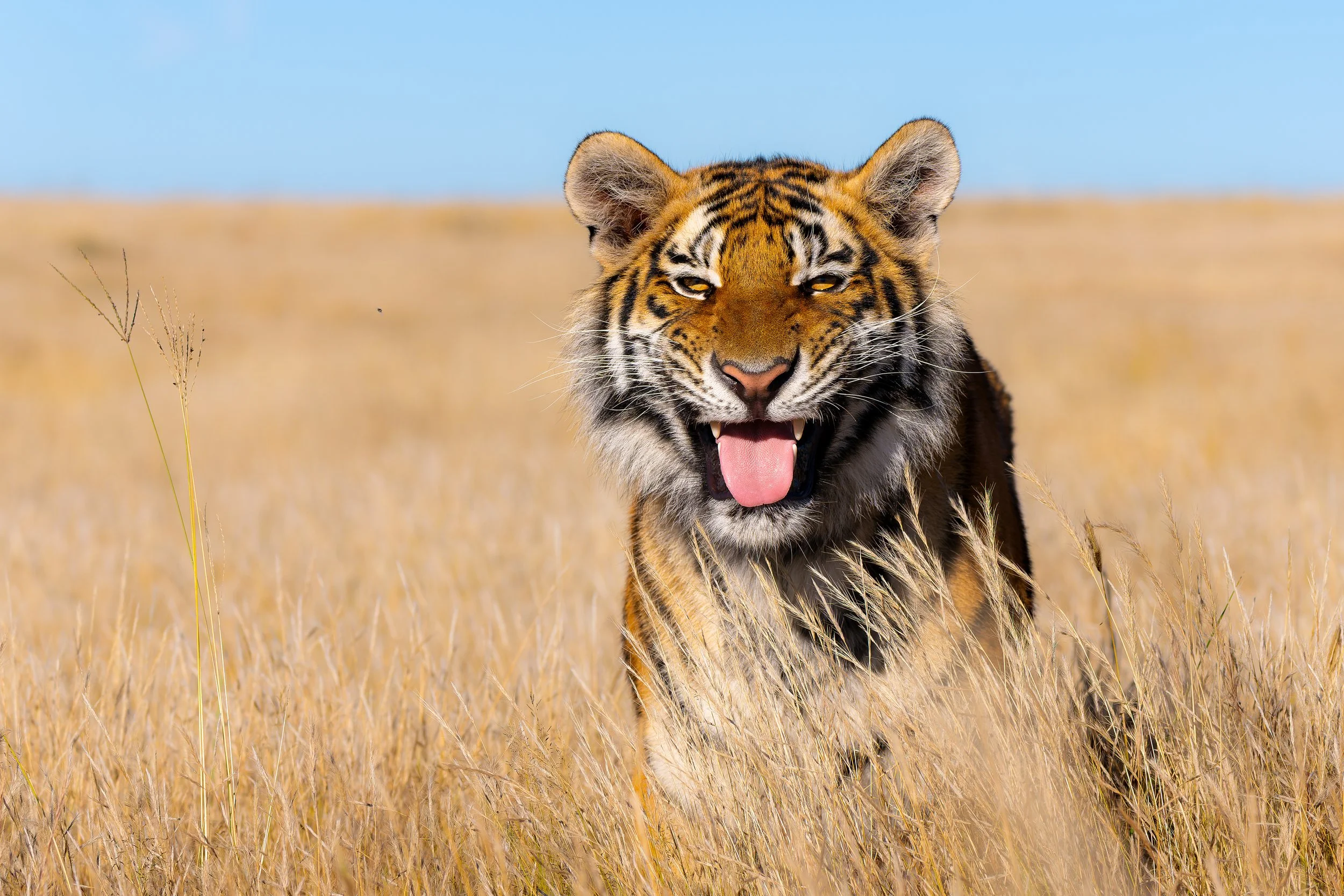
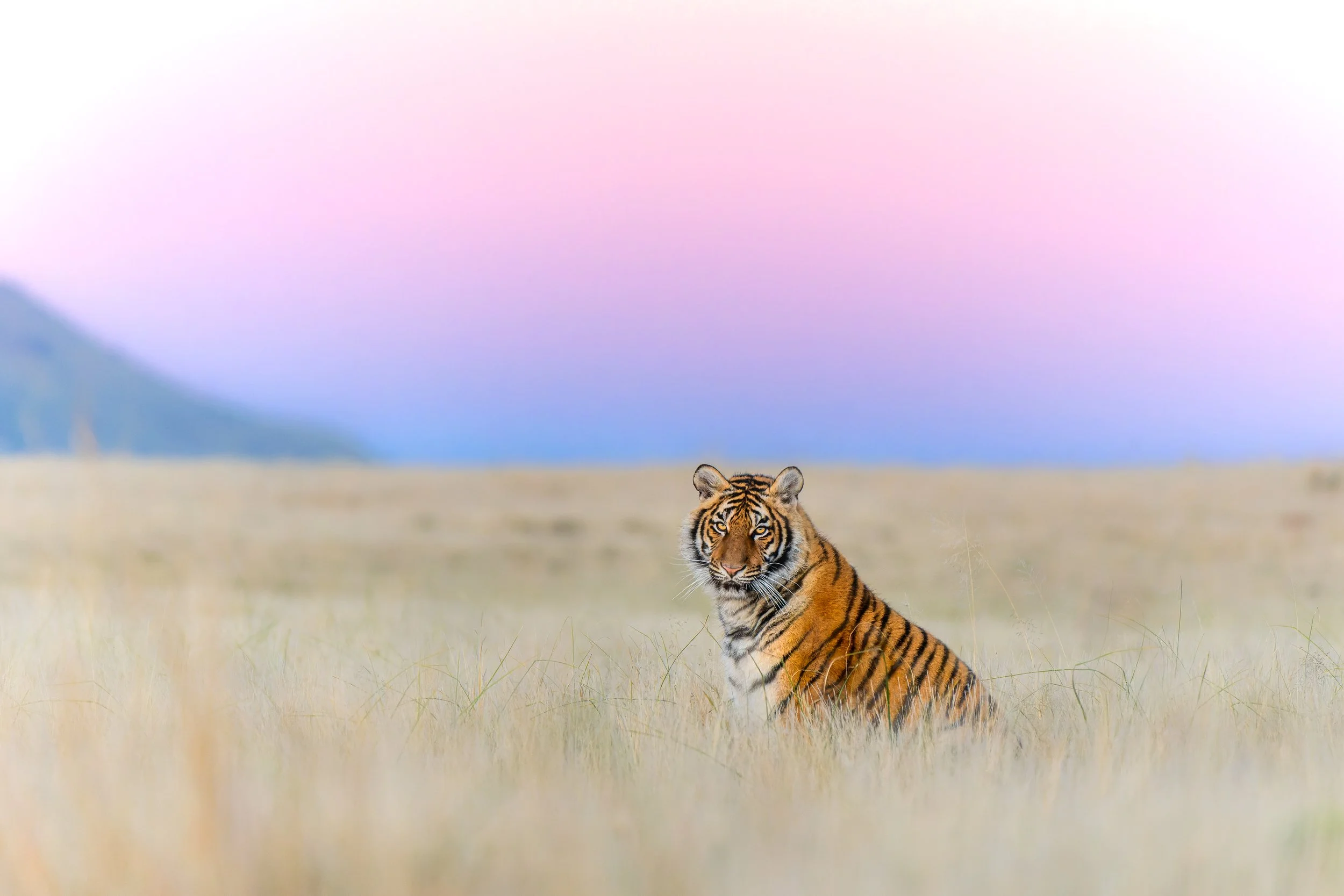
My work with big cats later brought me to Kishindo, a private conservation-focused property in the Free State of South Africa, where I spent time observing and photographing cheetahs and tigers under managed conditions.
The cheetahs on site form part of a broader metapopulation management programme. The tigers are maintained in a managed, fenced environment where they are able to express a range of natural behaviours within a controlled conservation setting. This project exists within an ex-situ context and has been part of ongoing discussion within the wider conservation community regarding the role of such facilities.

Spending time there allowed me to observe and photograph big cats in a managed conservation environment that differs from both traditional zoological settings and fully unfenced wilderness systems. It contributed to my understanding of animal behaviour and the complexity of contemporary wildlife management approaches.
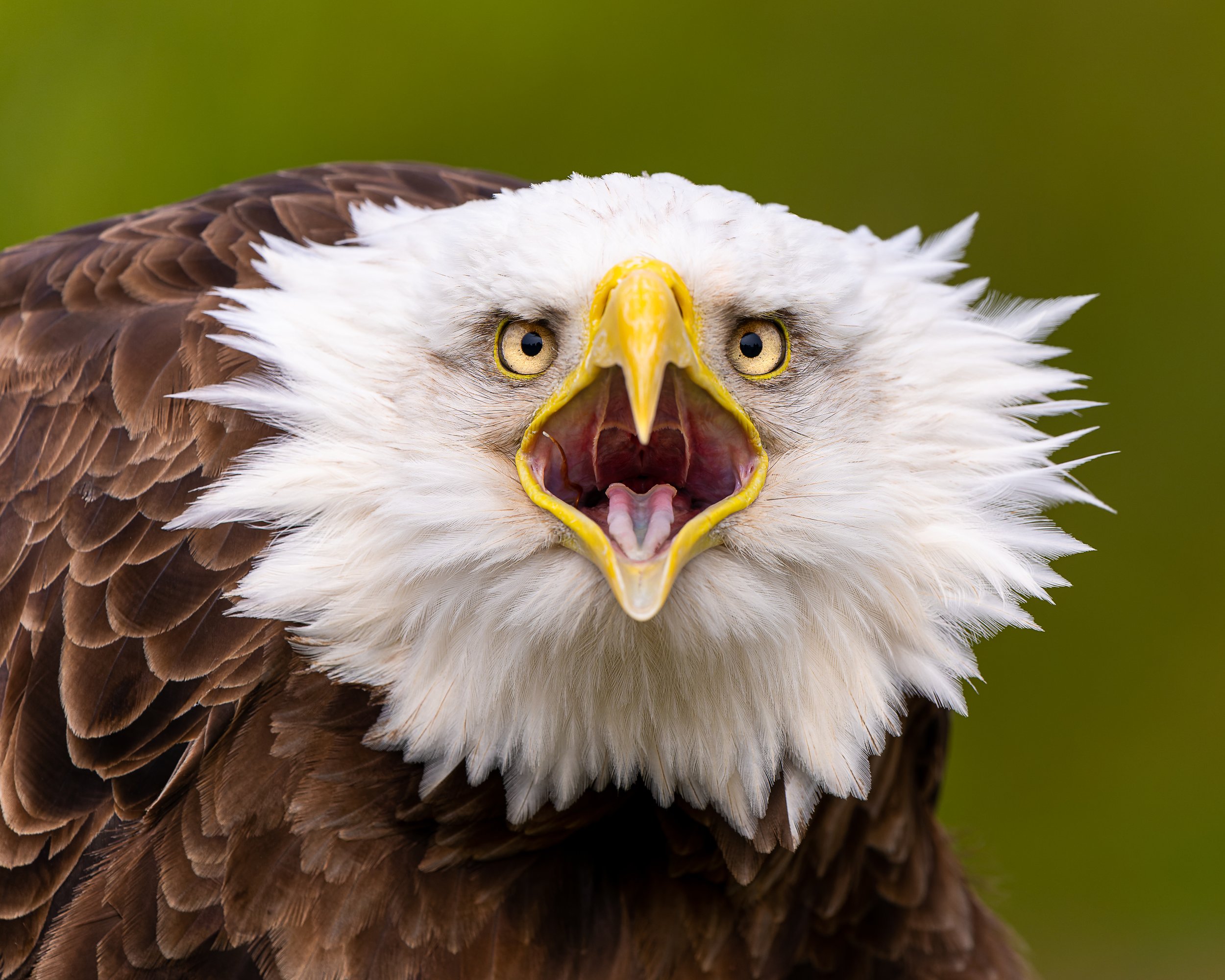
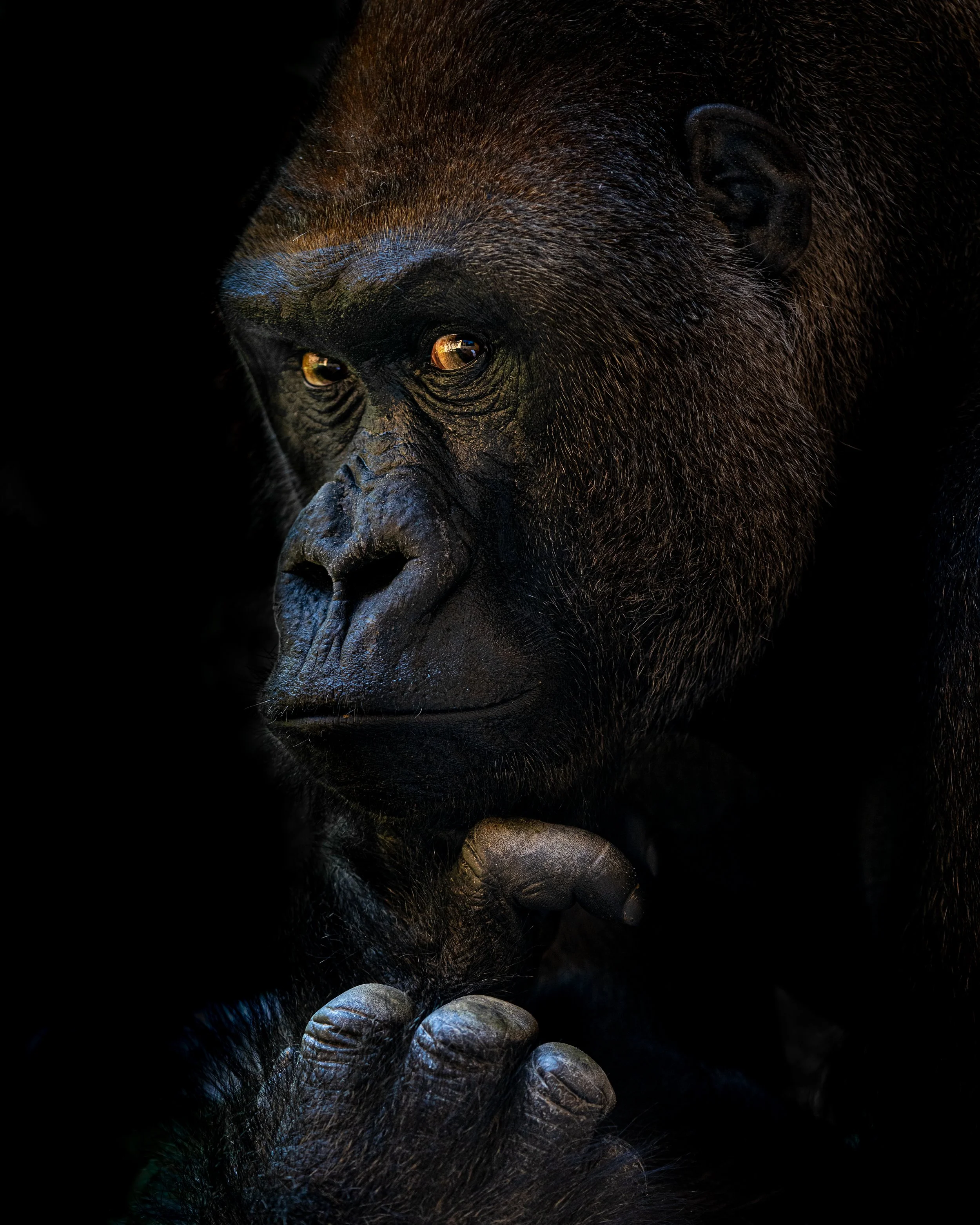
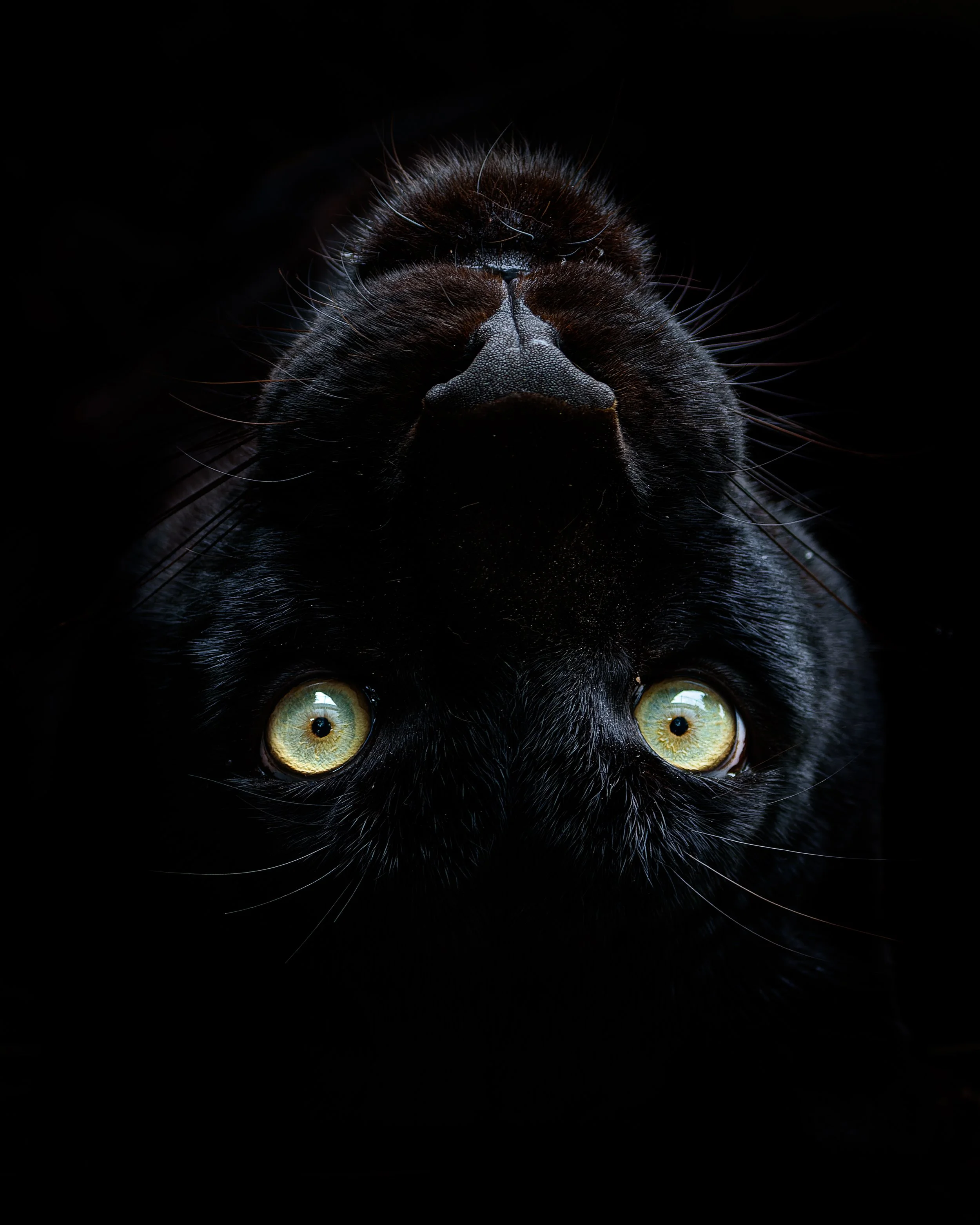
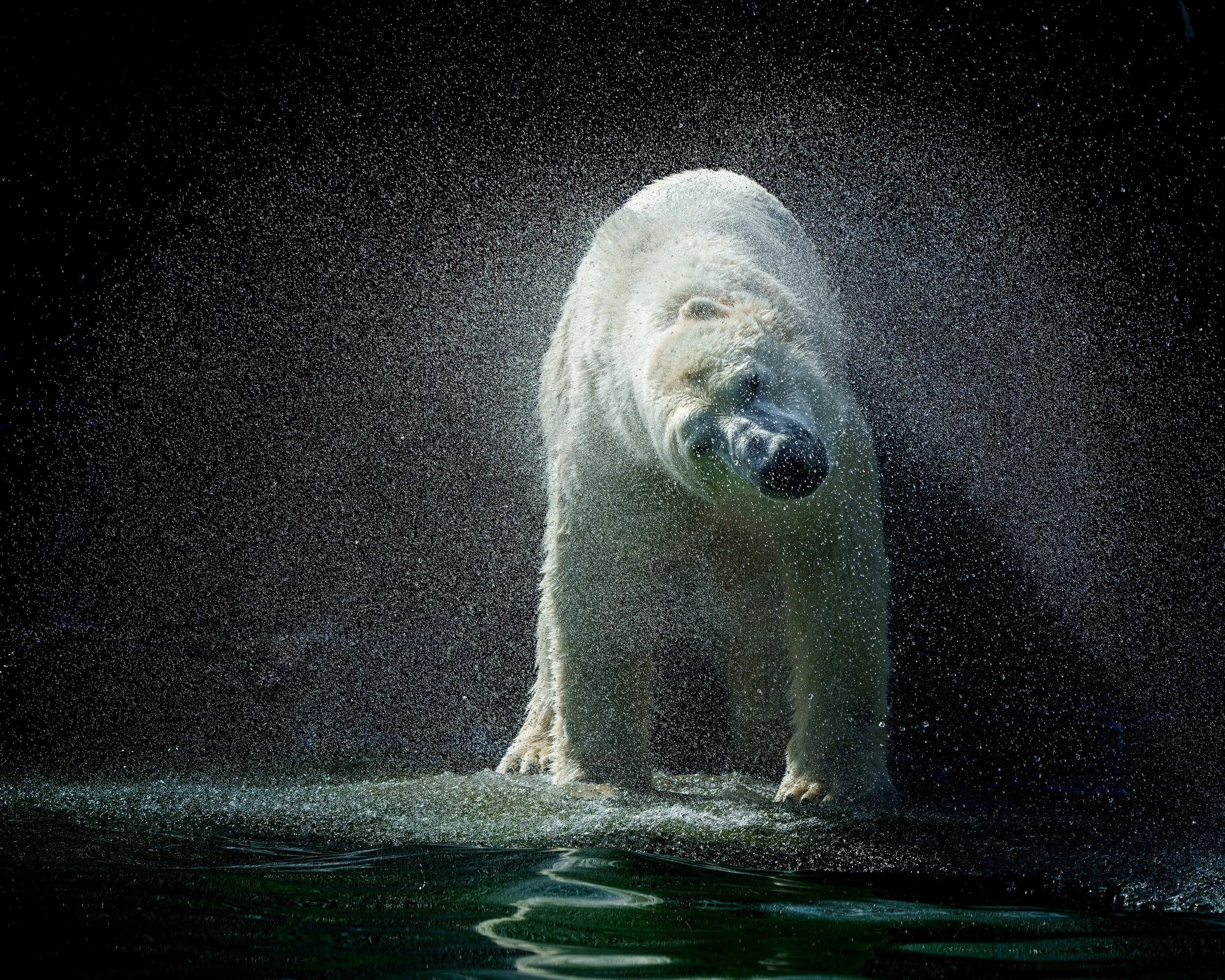
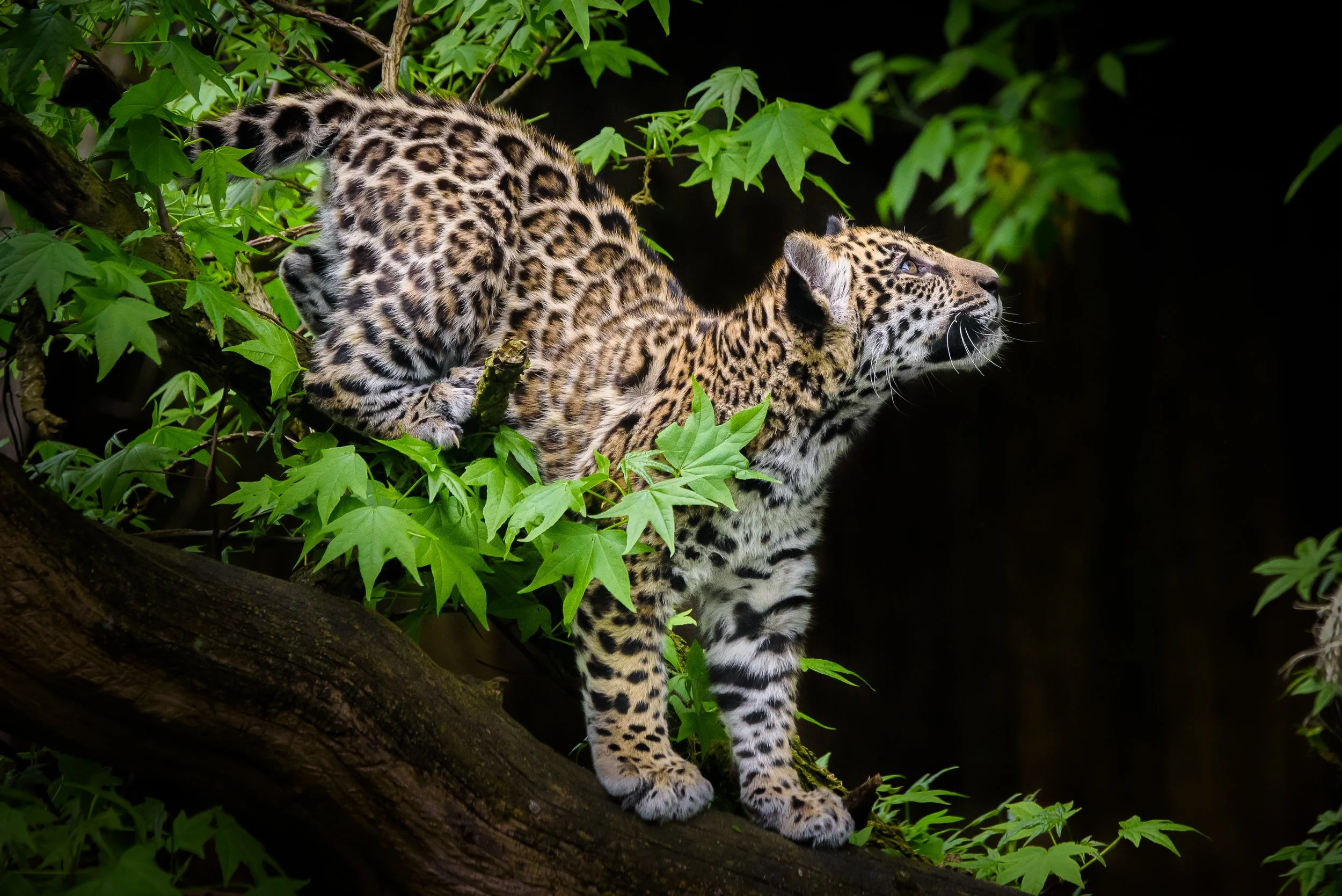
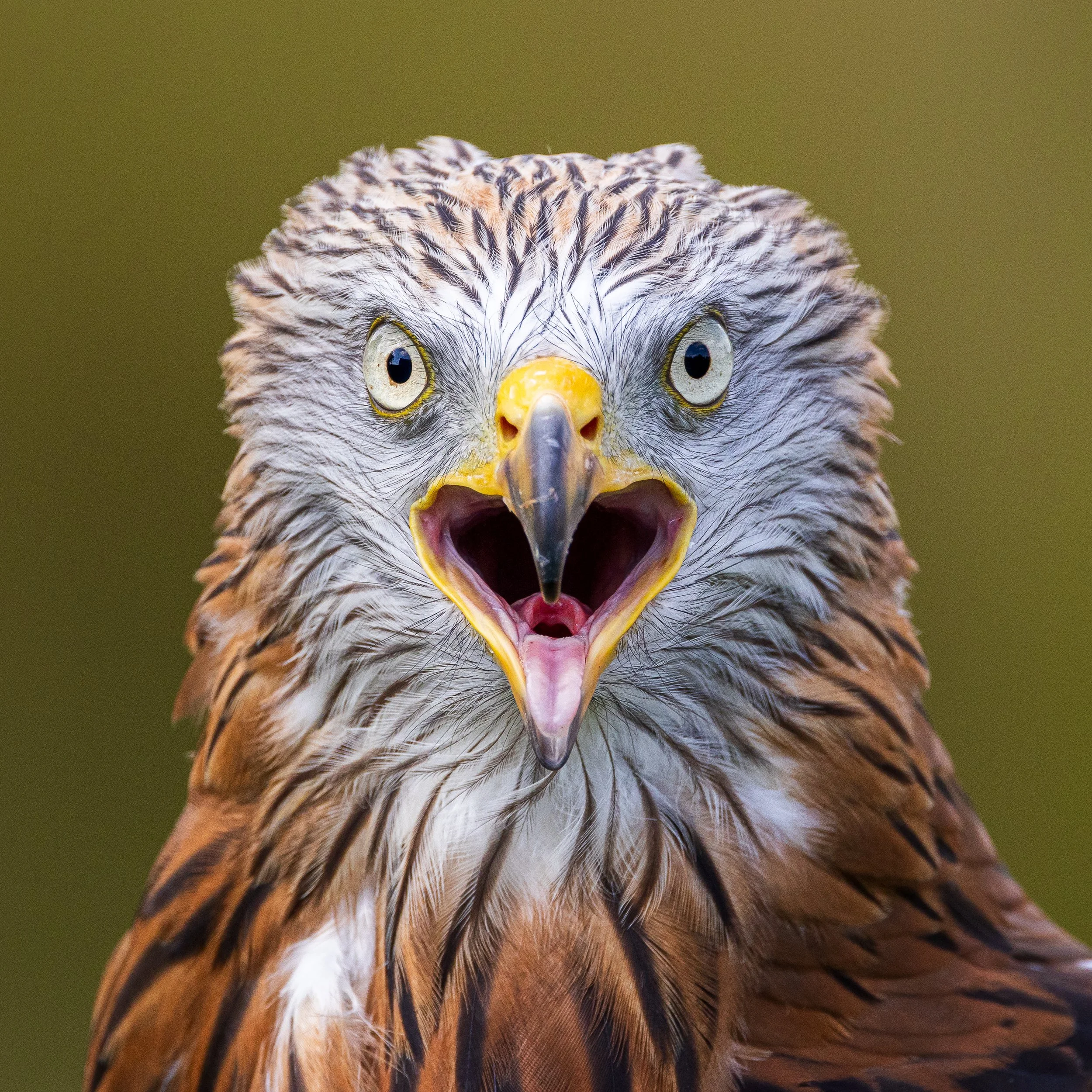
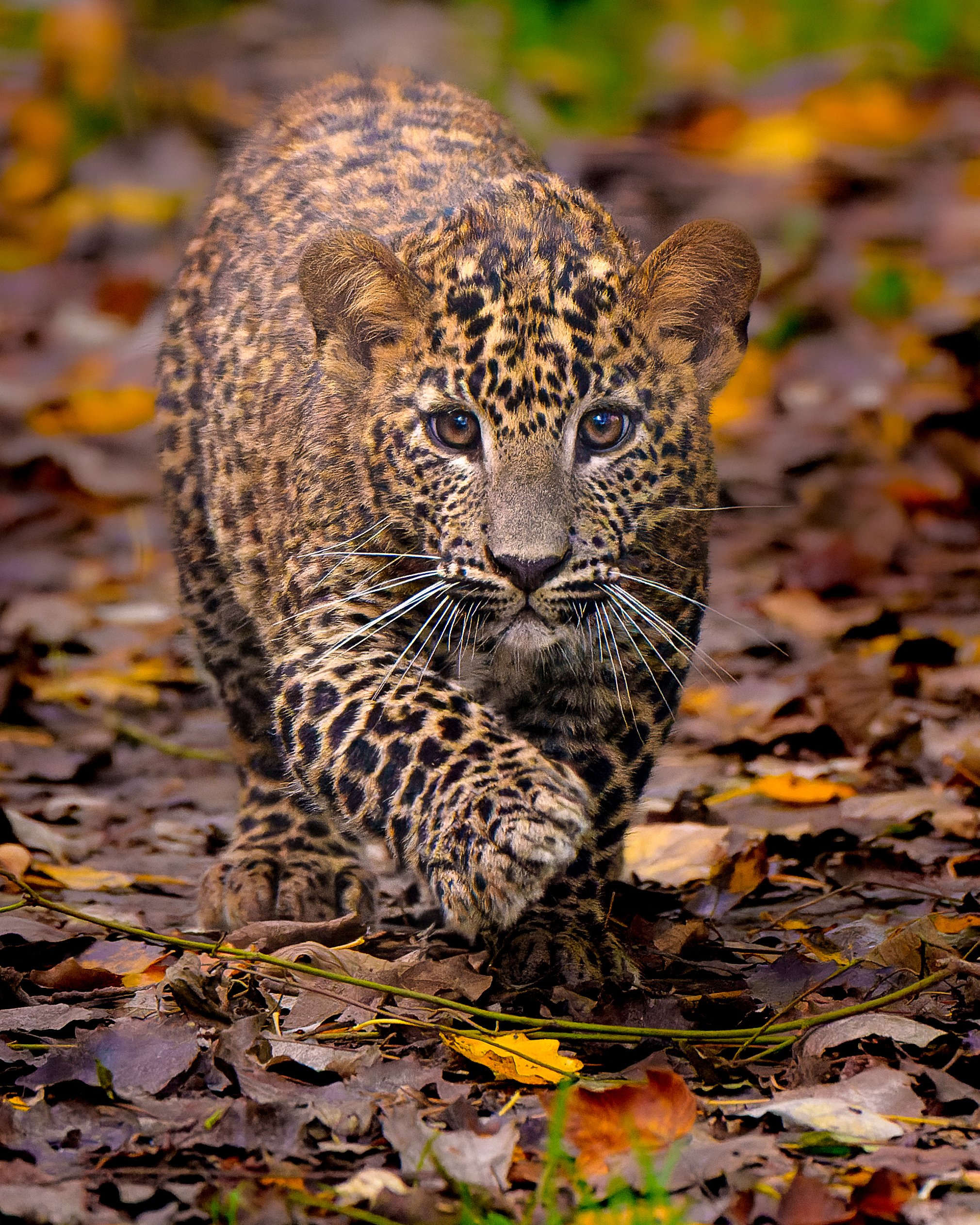
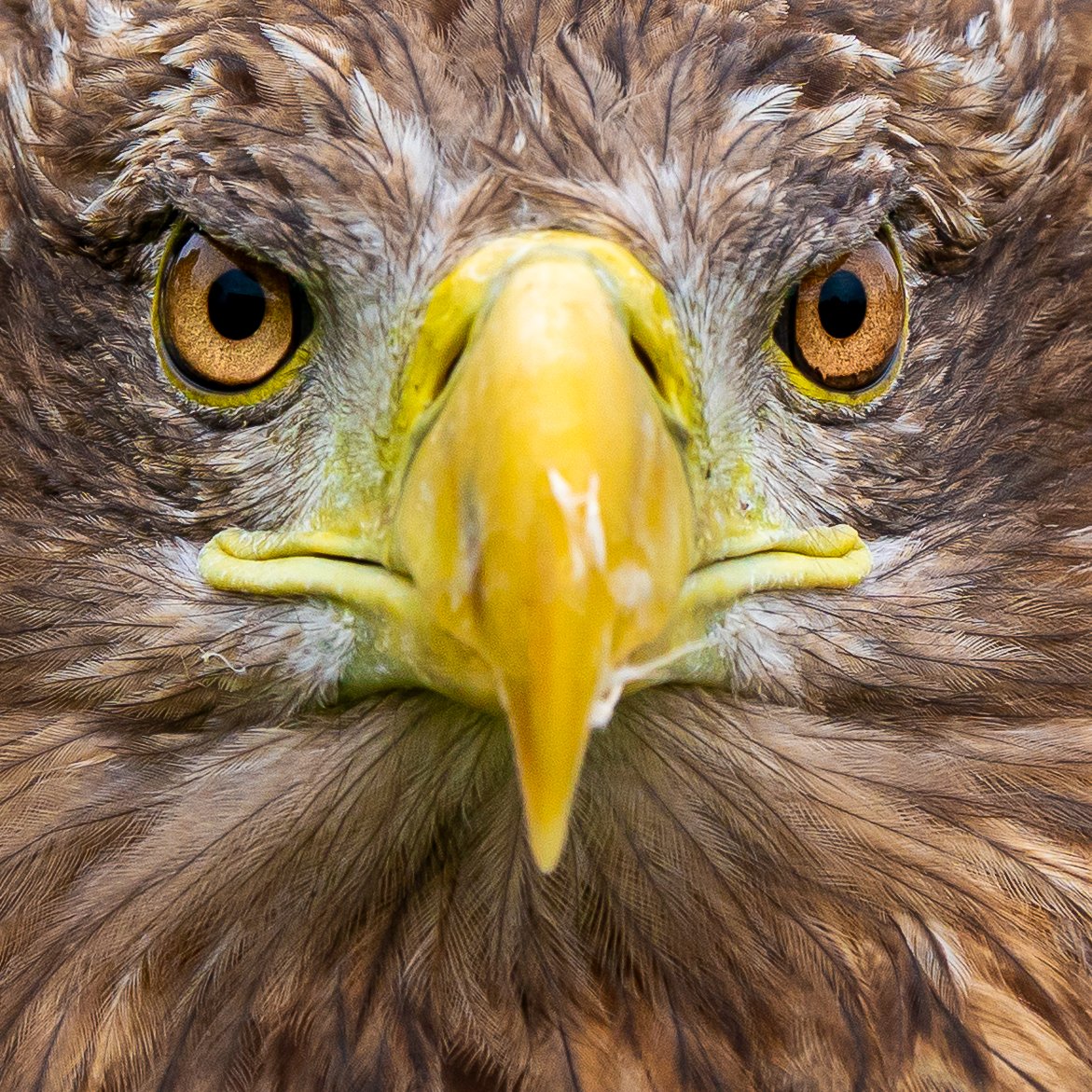
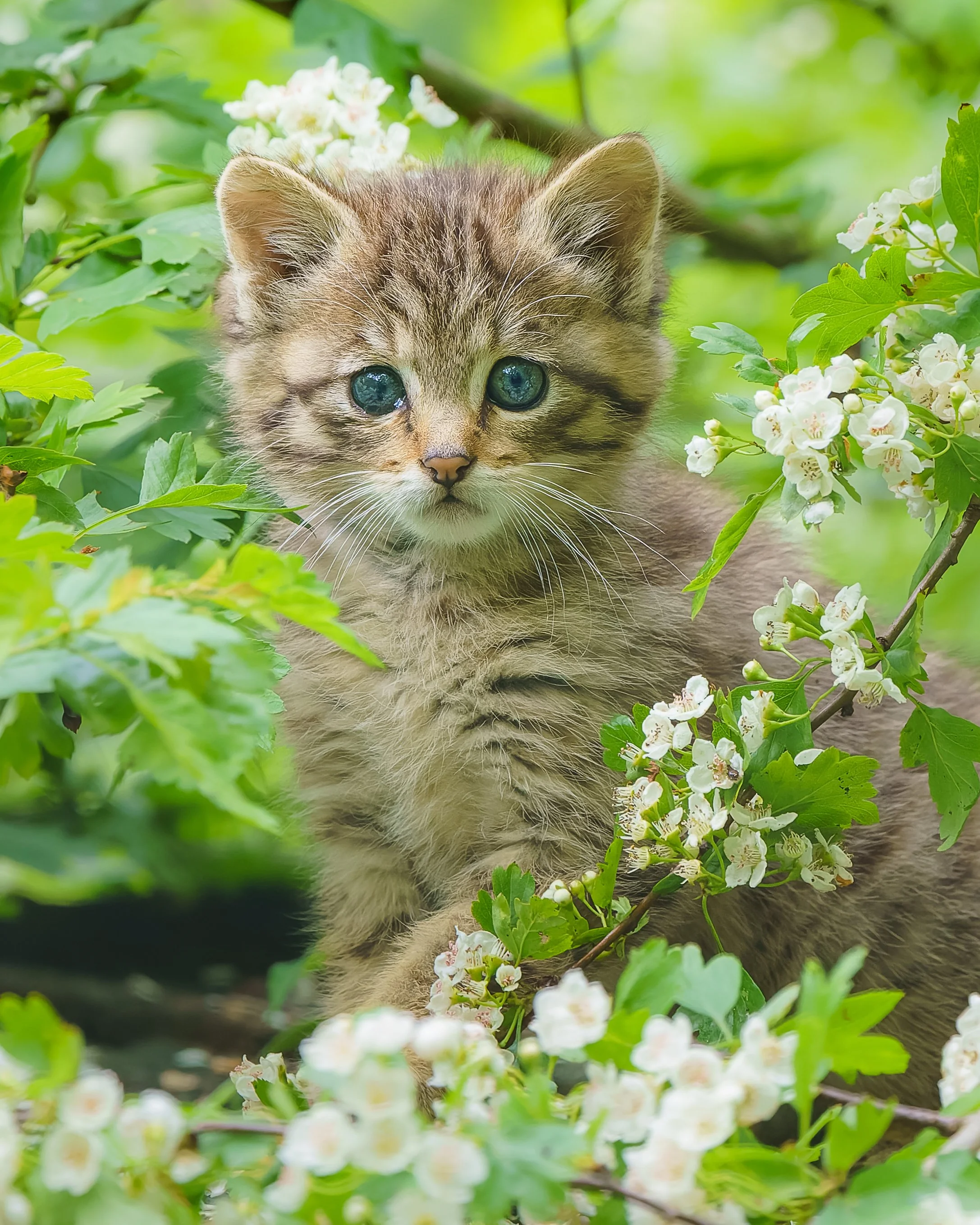
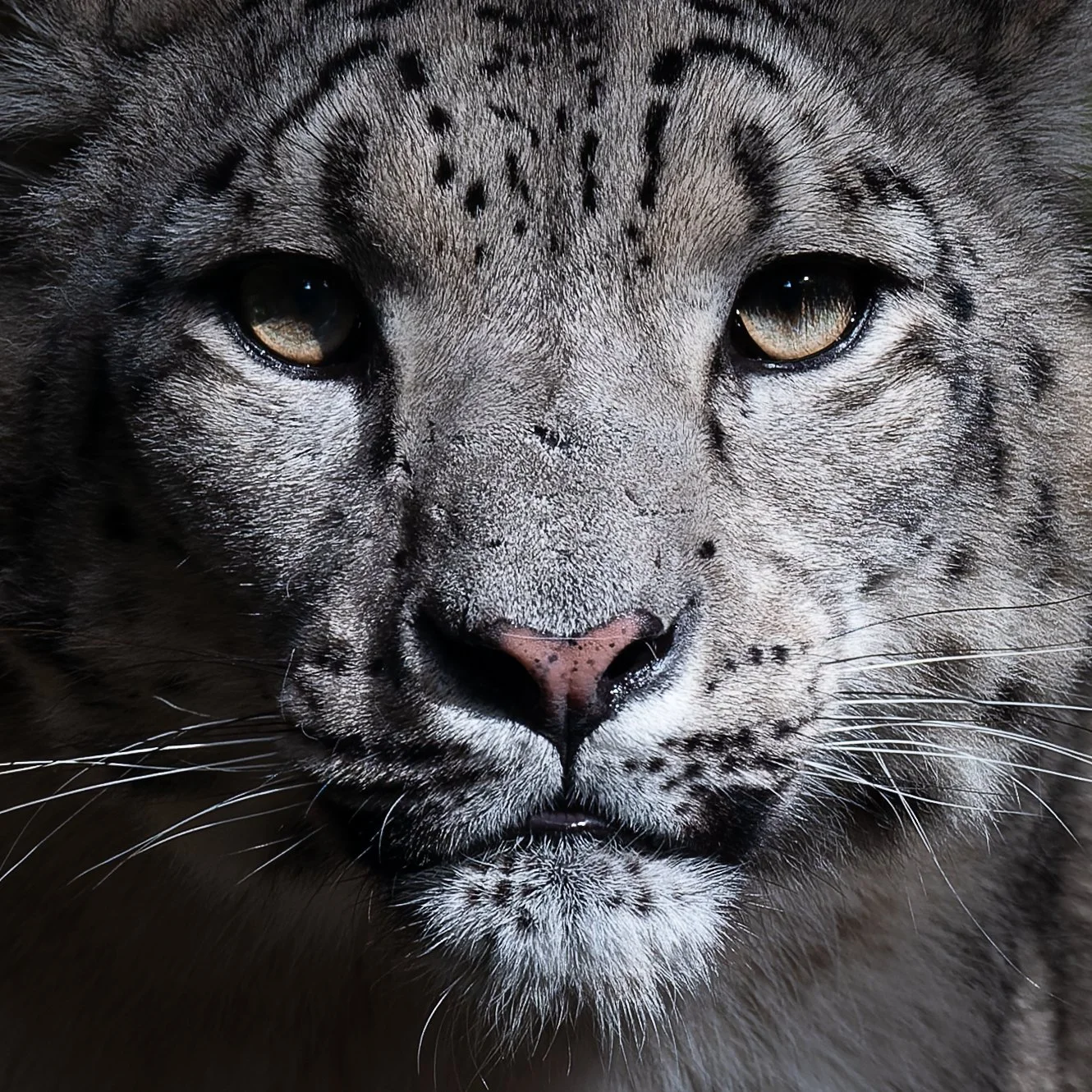
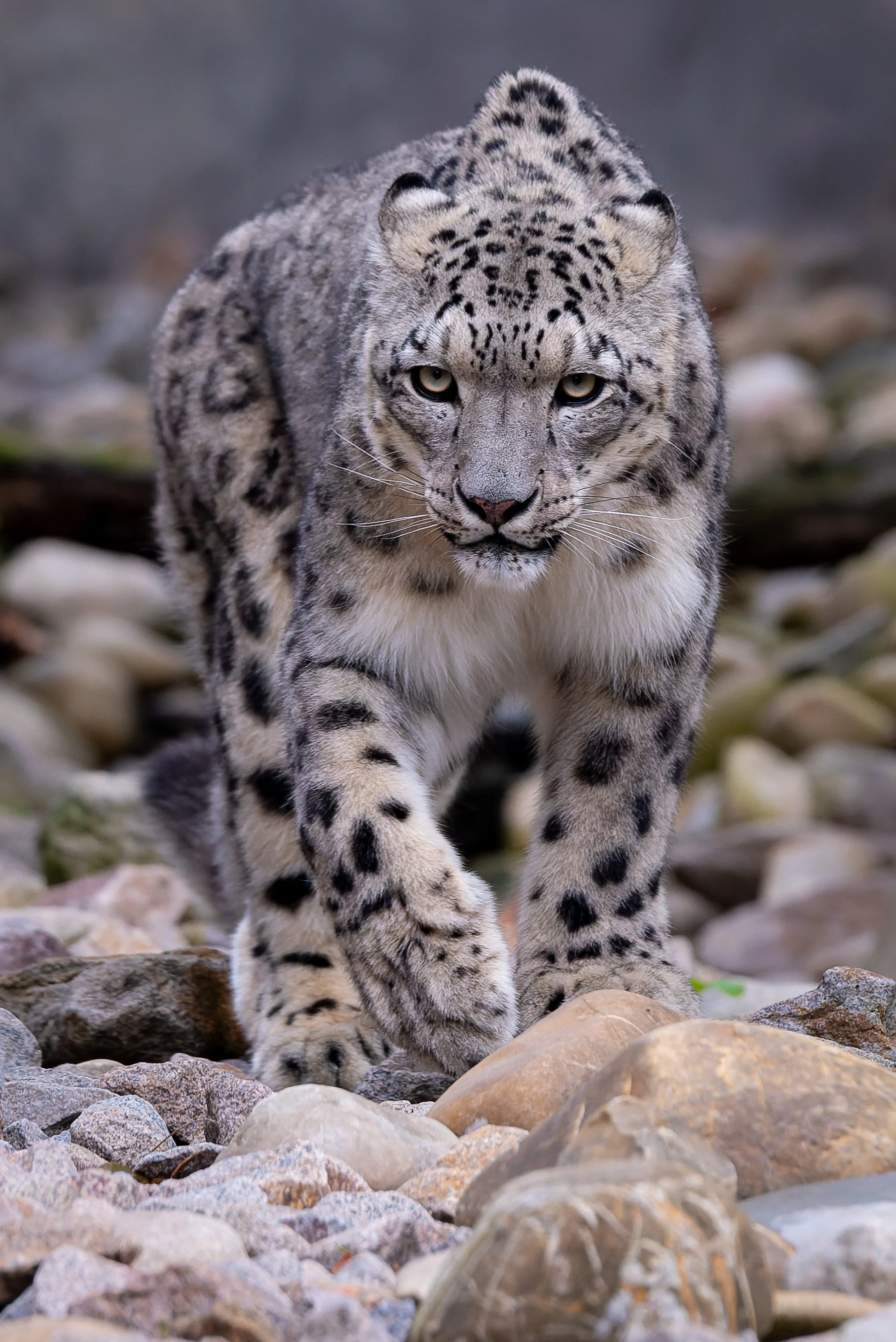
Although these animals are not in fully wild, unfenced conditions, I include these images within my captive wildlife portfolio to clearly reflect the management context in which they were photographed.
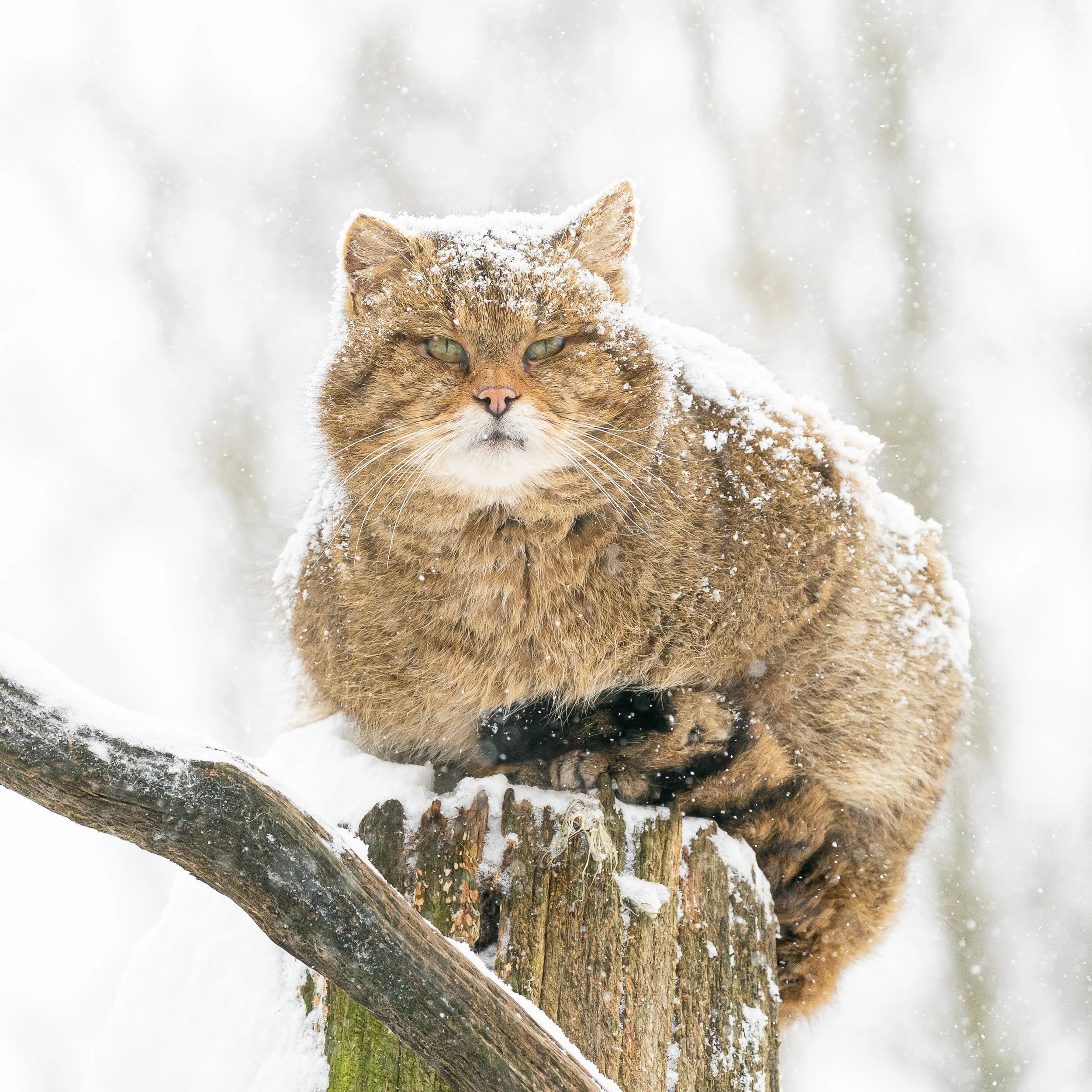
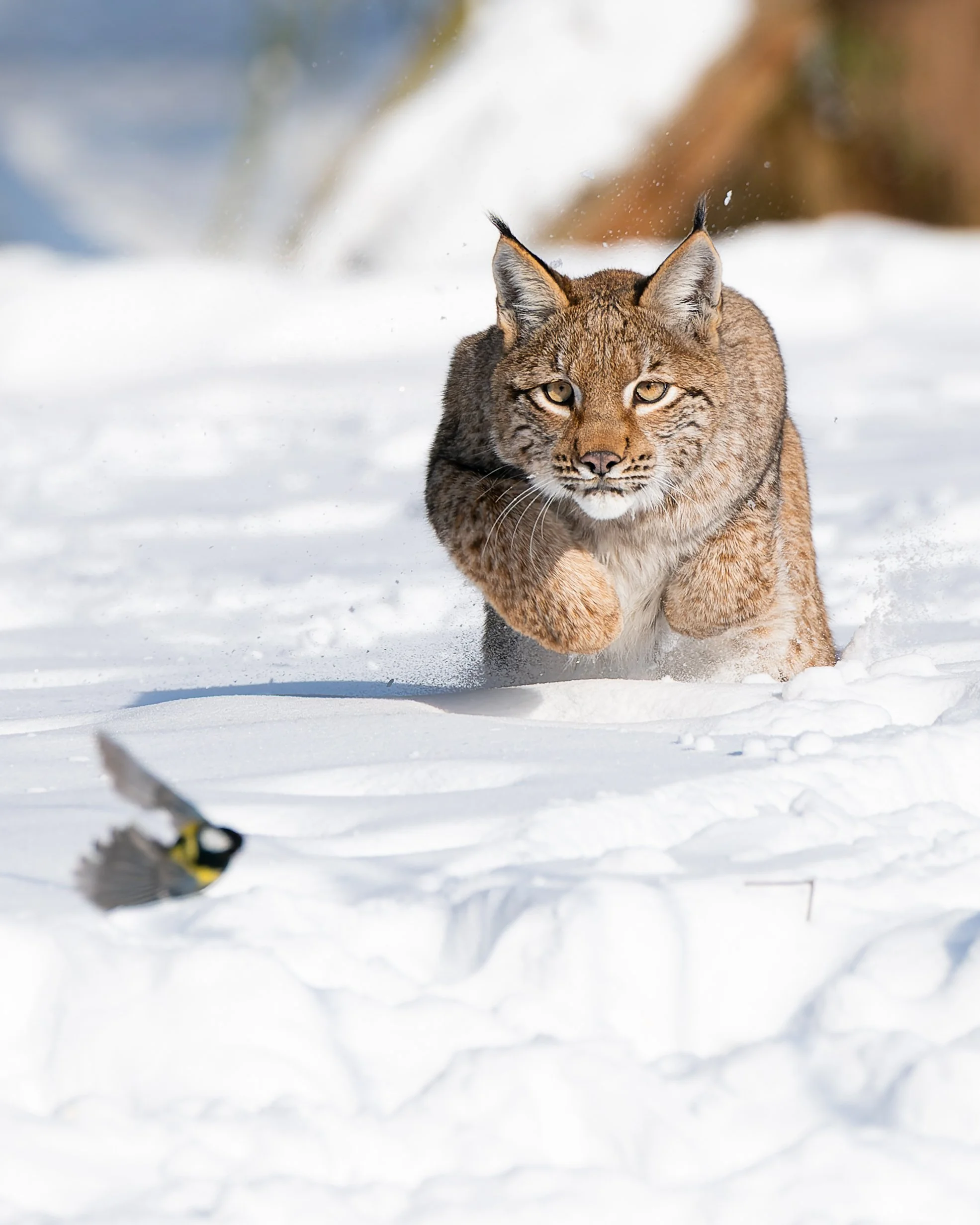
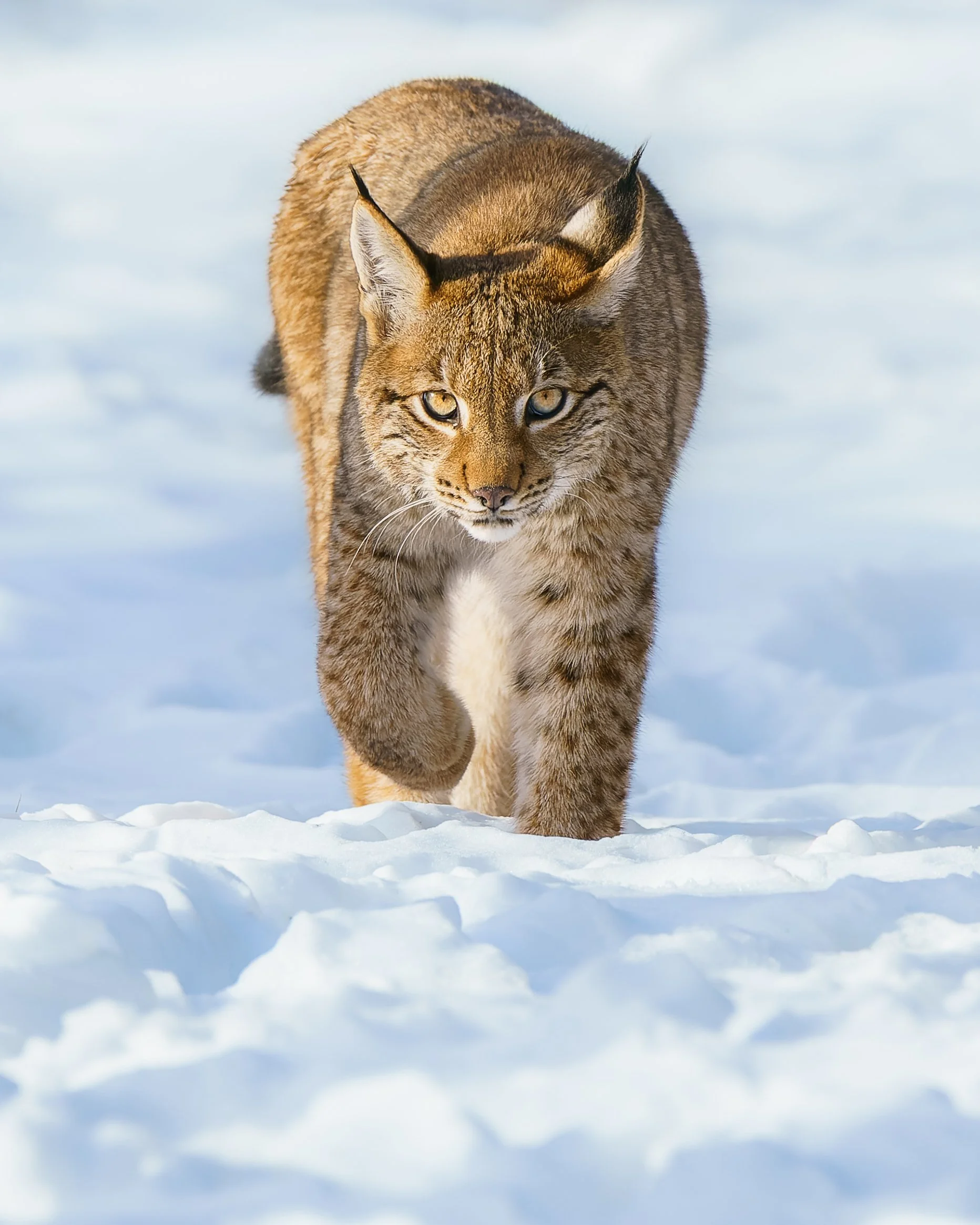
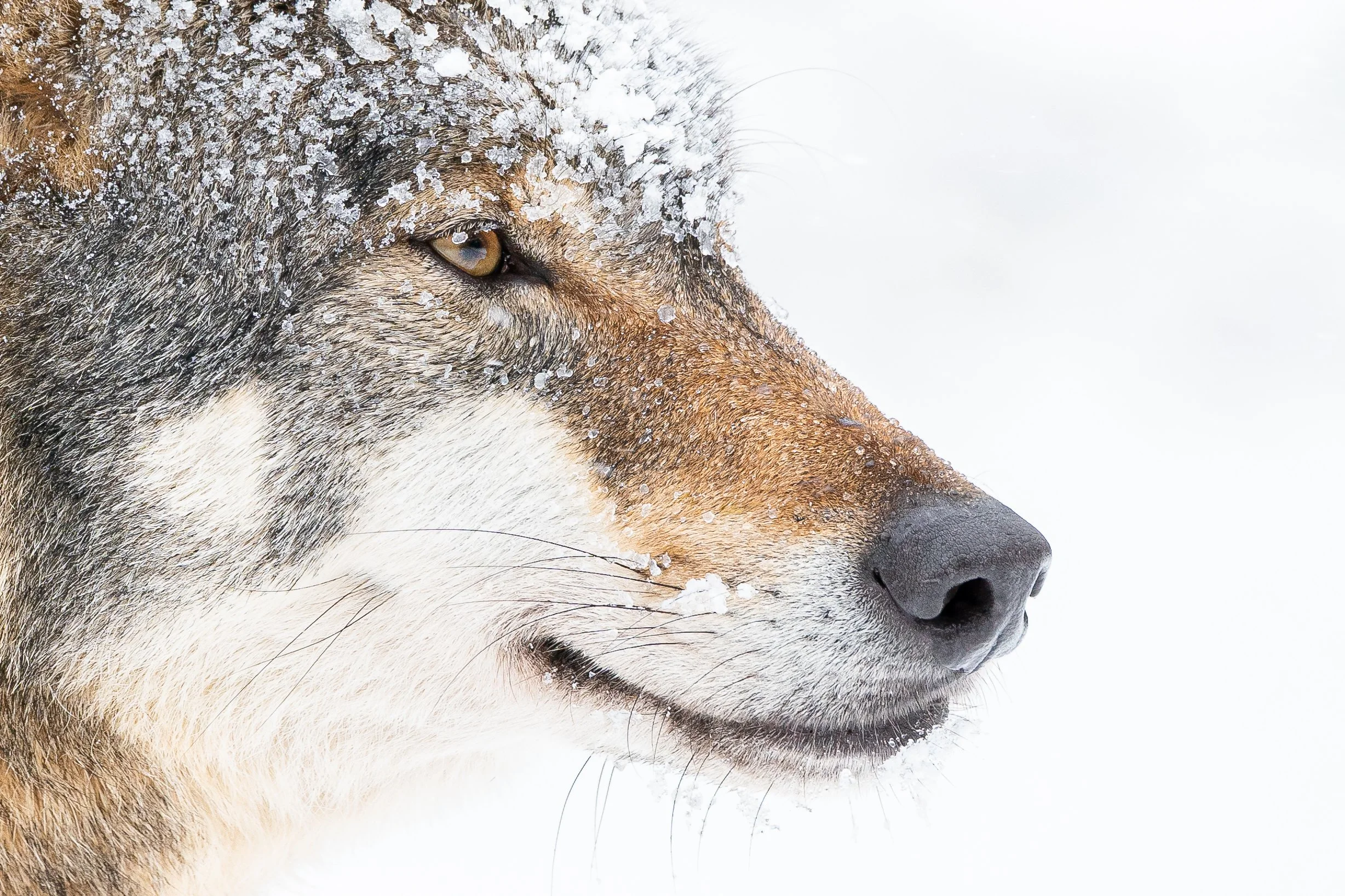
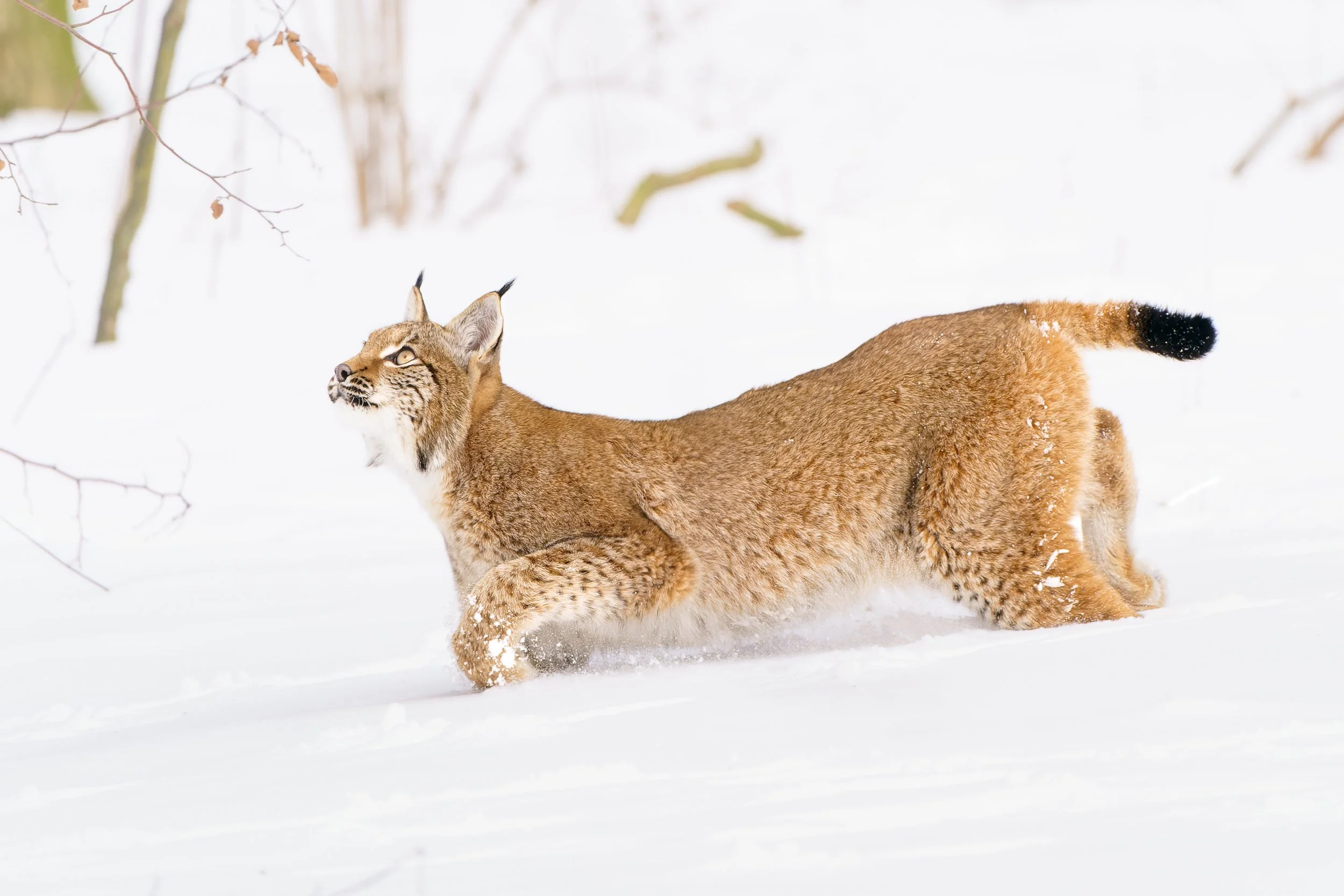
This also applies to the lynx photographed in winter conditions at Anholter Schweiz Wildlife Park, a wildlife and conservation park with involvement in species management and reintroduction efforts. The lynx depicted in these images were part of a program population and have since been released into the wild in Poland.
Captive wildlife portfolio