
From South Africa to India:
The Journey of the Cheetahs
Cheetahs had been extinct in India since the 1950s, but in 2022 that began to change. A team of conservation experts joined forces to bring cheetahs back to India, relocating them from South Africa and Namibia.
The ambitious reintroduction programme was led by India’s Ministry of Environment, Forest and Climate Change, with the support of the Wildlife Institute of India and conservation partners in South Africa and Namibia.
In South Africa, the cheetah translocation programme was led by conservationist Vincent van der Merwe, who pioneered the cheetah metapopulation approach and later founded the Metapopulation Initiative.
In June, a group of officials from India travelled to South Africa to assist with the relocation of the cheetahs and to learn more about cheetah behaviour, immobilisation and the management of cheetahs in the wild.
The team was led by Rajendra Garawad, Deputy Inspector General of the National Tiger Conservation Authority. It included Verma, Assistant Conservator of Forests at Kuno, Amritanshu Singh, veterinarian Dr Onkar Anchal, and Bipin, a scientist from the Wildlife Institute of India.
The 12 South African cheetahs
The 12 South African cheetahs destined for India came from five protected areas across the country:
Four from Tswalu Kalahari Reserve in the Northern Cape
Three from &Beyond Phinda Private Game Reserve in KwaZulu-Natal
Two from Welgevonden Game Reserve in Limpopo
Two from the Waterberg Biosphere in Limpopo
One from Mapesu Private Game Reserve in Limpopo
The journey begins - Tswalu Kalahari Reserve
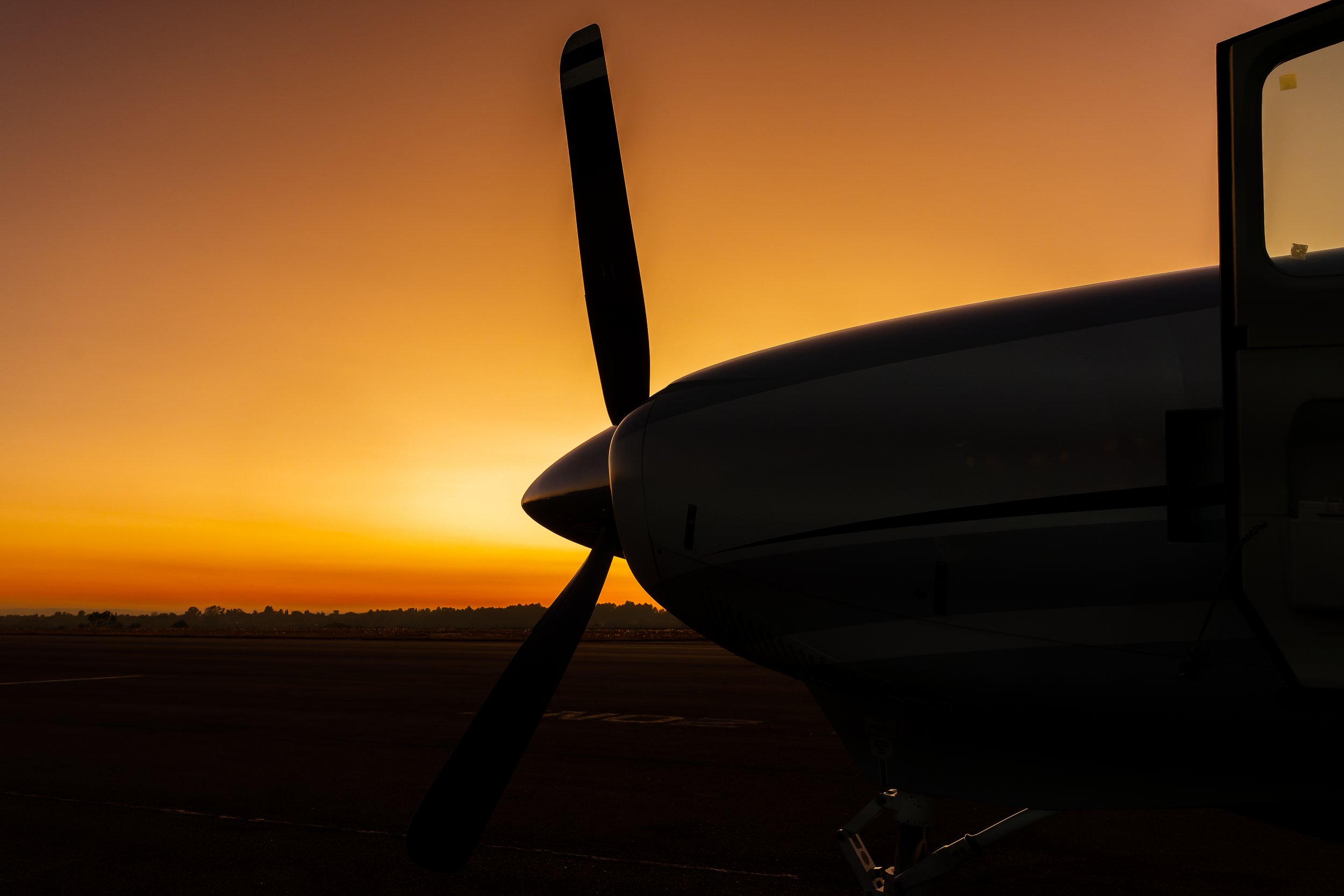
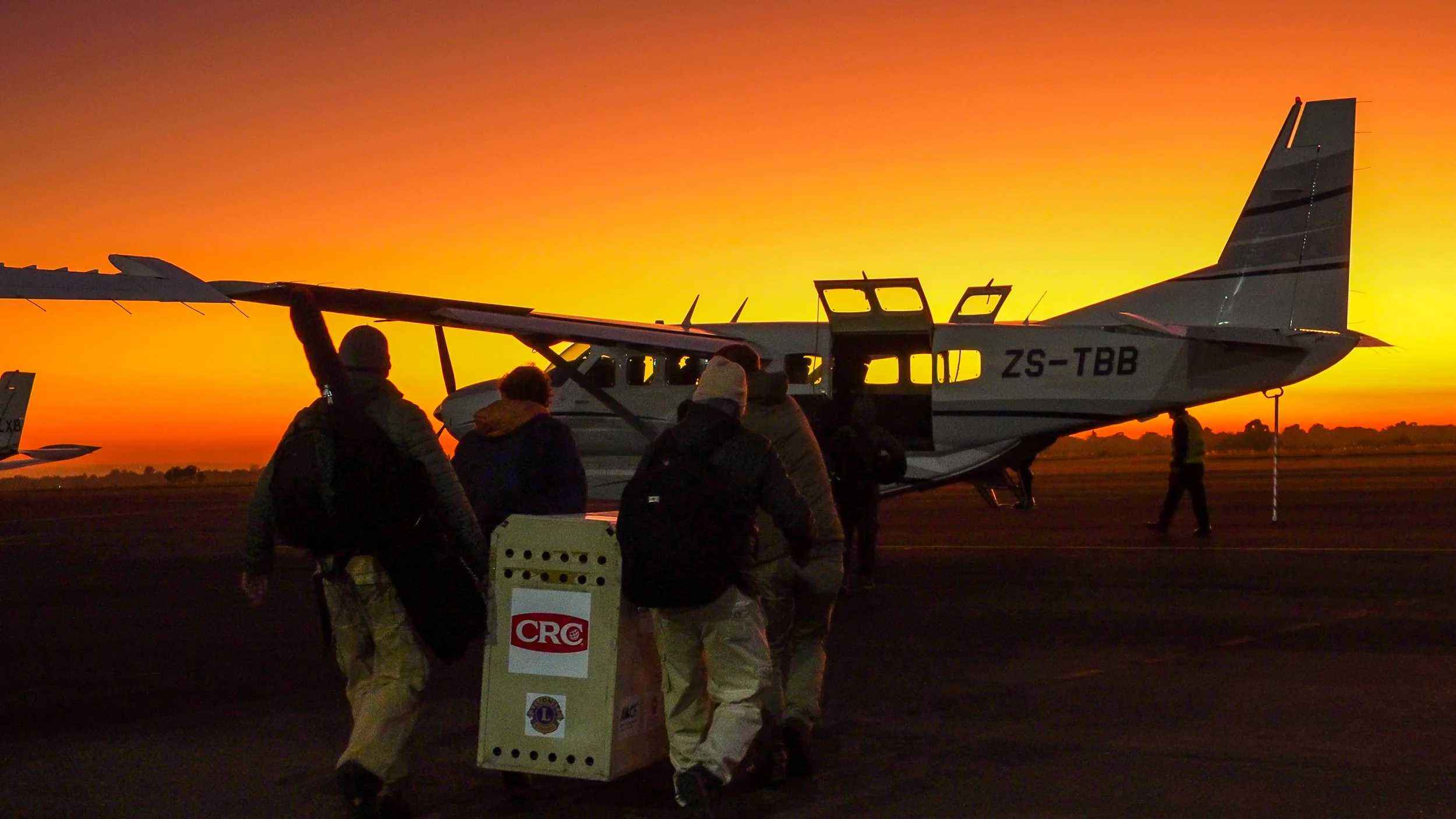
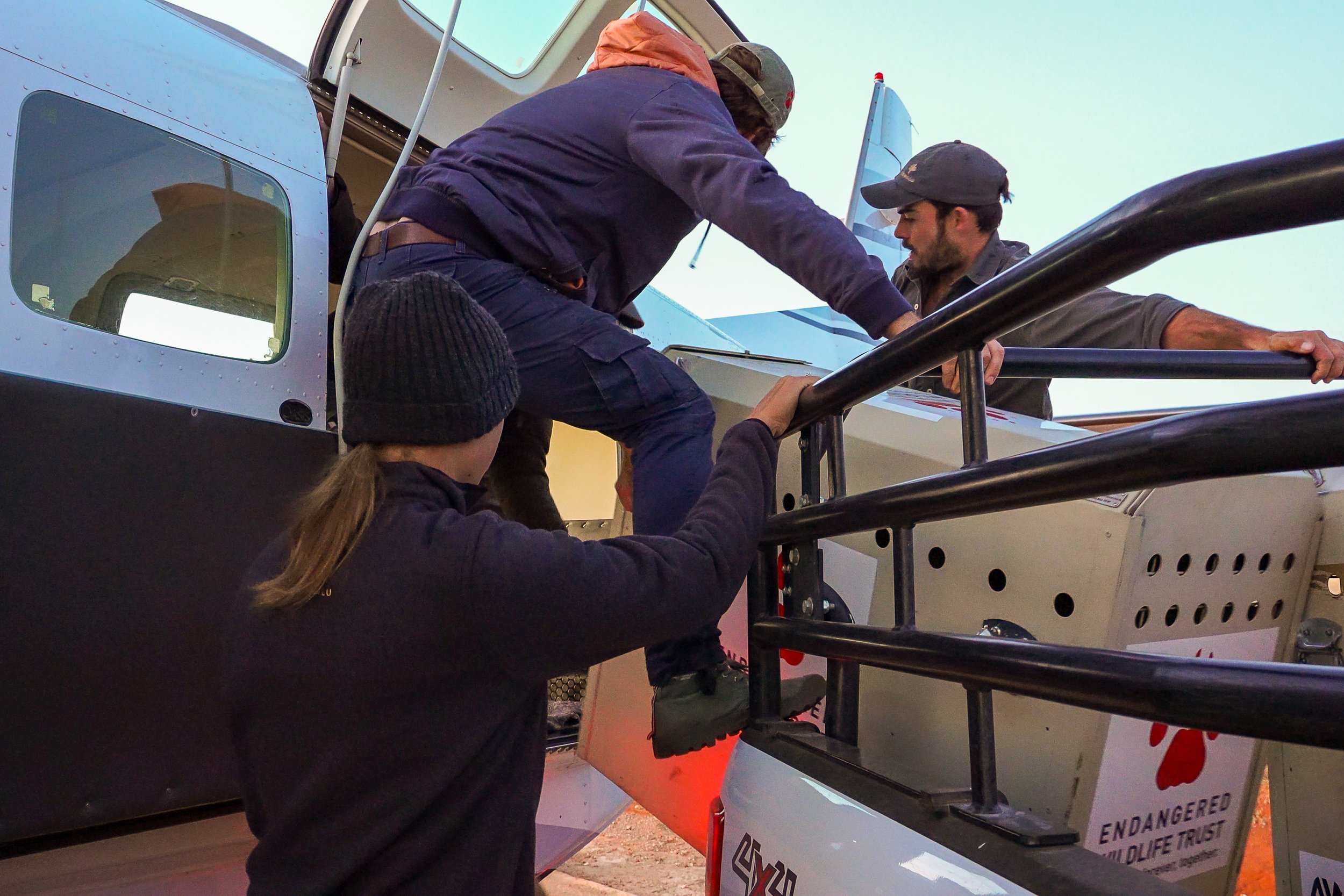
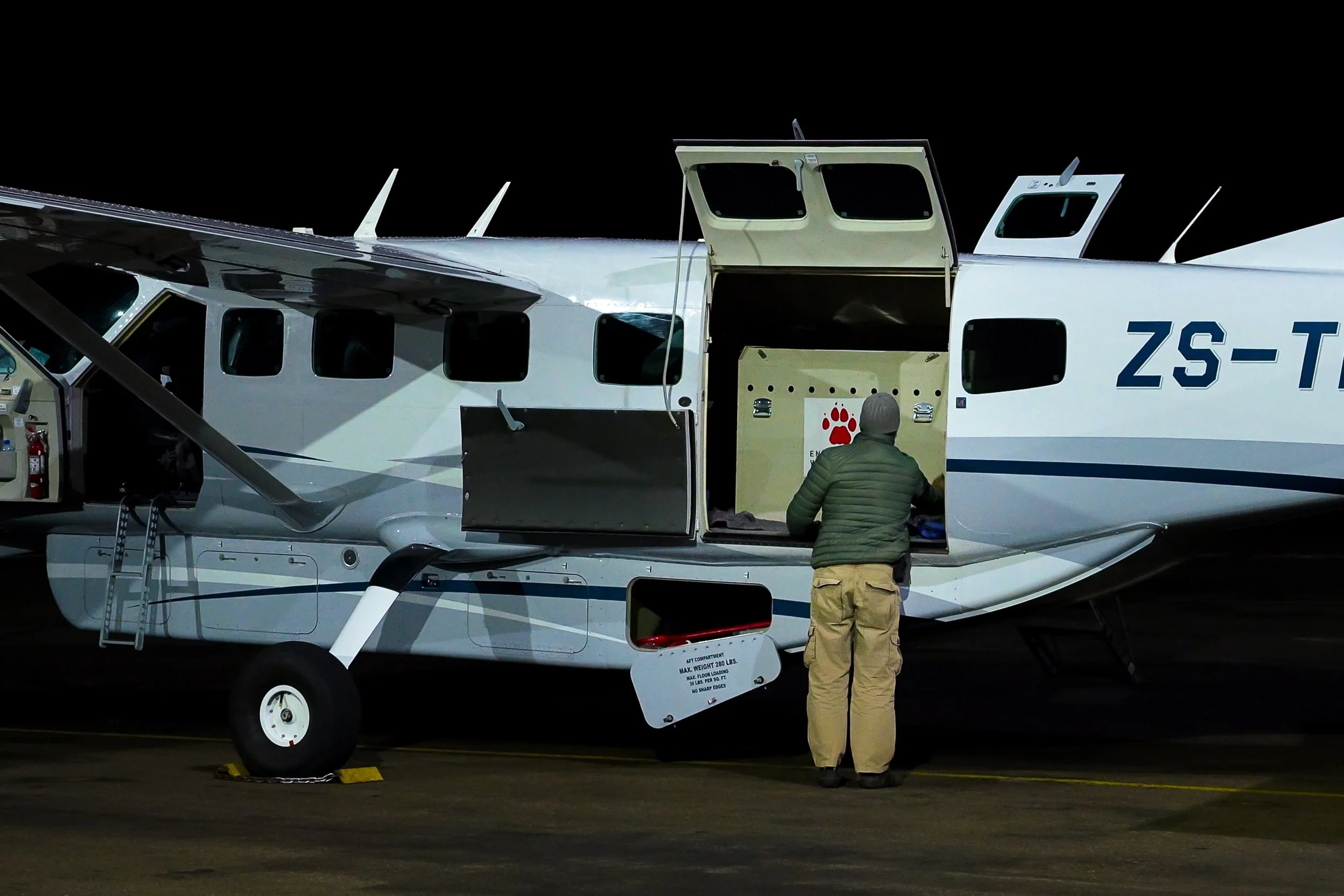
Early in the morning, just before sunrise, the cheetah transport crates and all the necessary equipment were loaded onto two small planes at Grand Central Airport in Johannesburg. The team was heading to Tswalu Kalahari Reserve to collect the first cheetahs for their journey to India.
Tswalu plays an important role in cheetah conservation by protecting suitable habitat and maintaining a balanced, holistic ecosystem in which the indigenous species of the Kalahari can survive and thrive. Tswalu generously donated four of its cheetahs to the reintroduction programme.
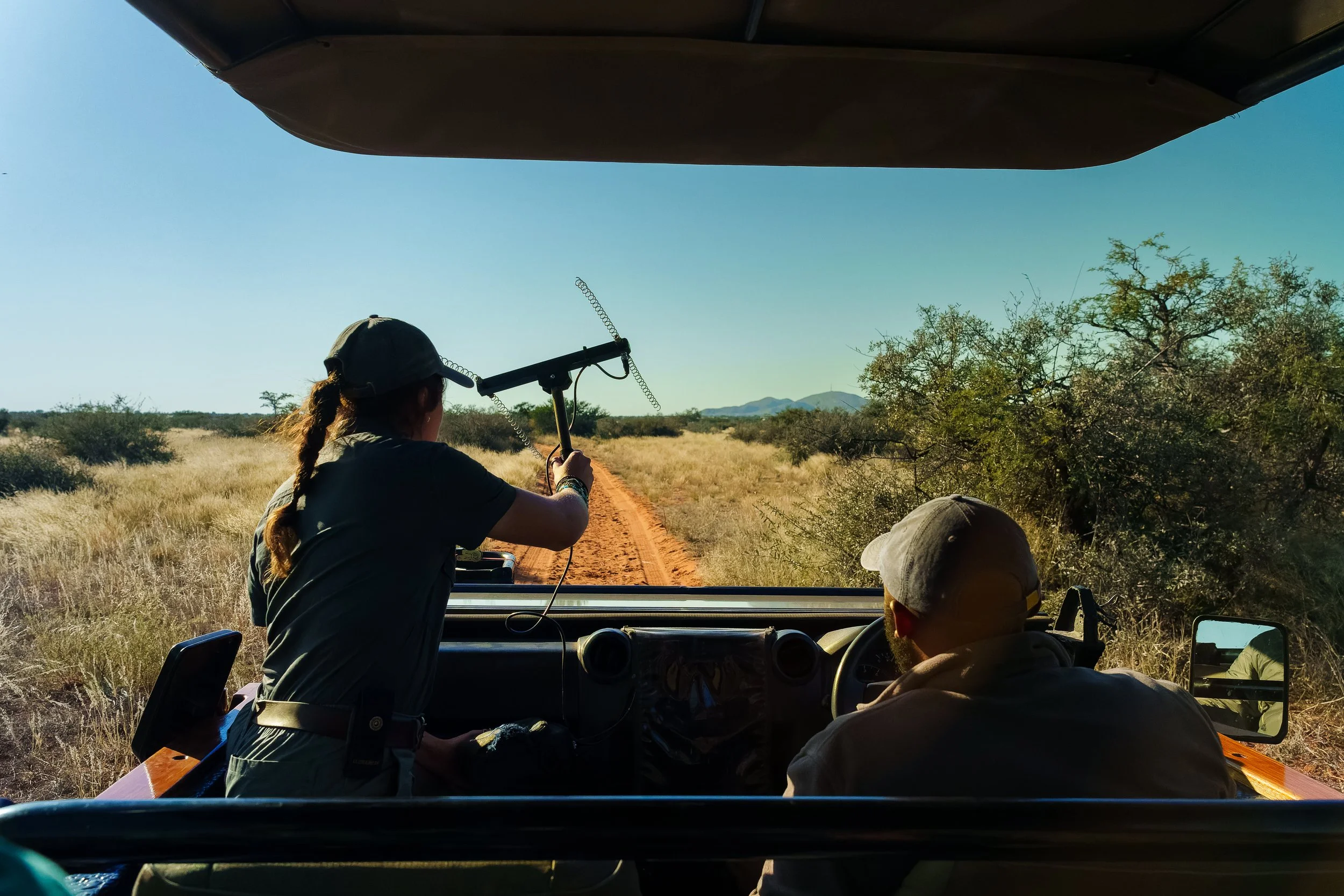
To locate the cheetahs, the team split into two groups. The cheetahs were fitted with tracking collars, allowing the team to locate them using telemetry equipment.
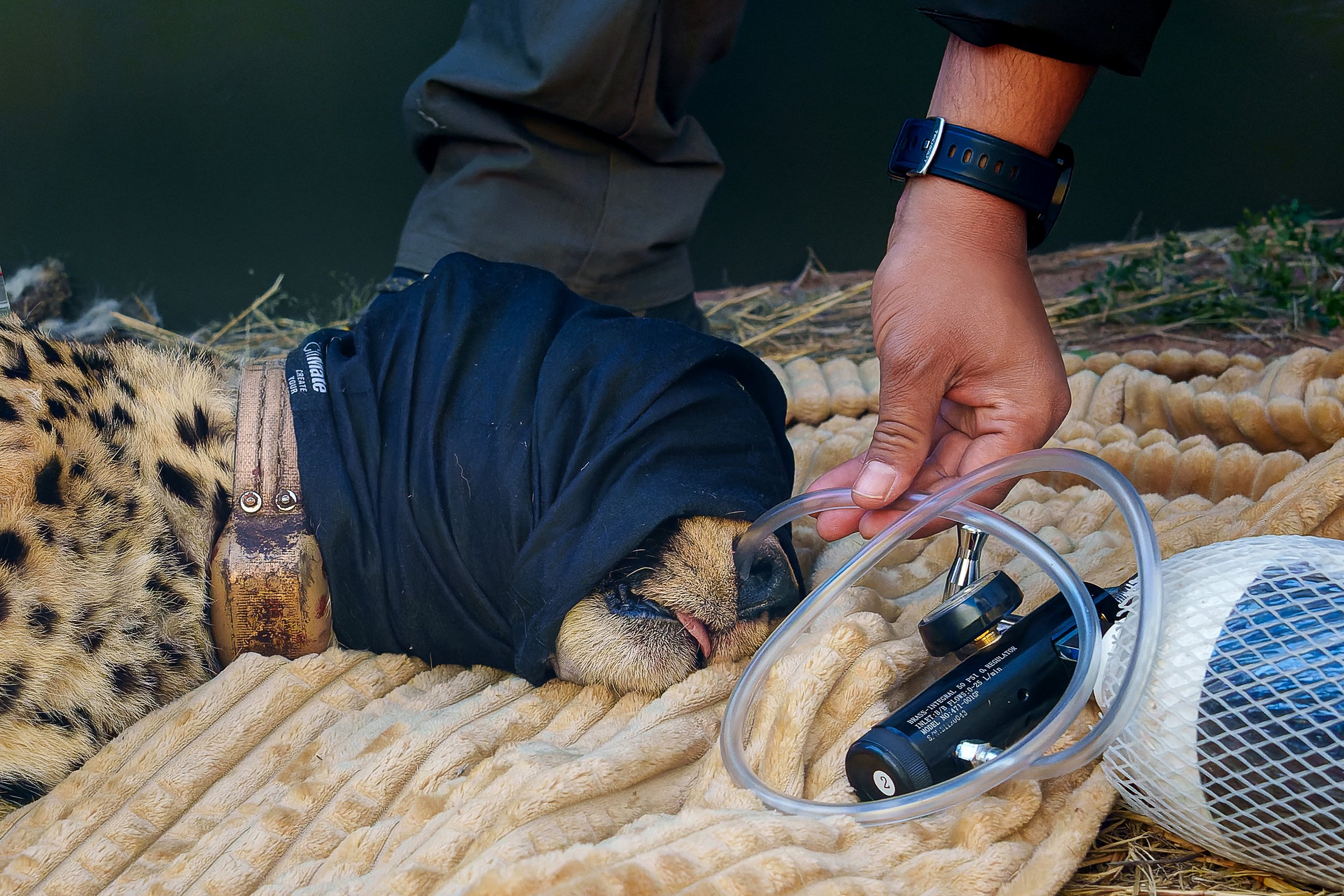
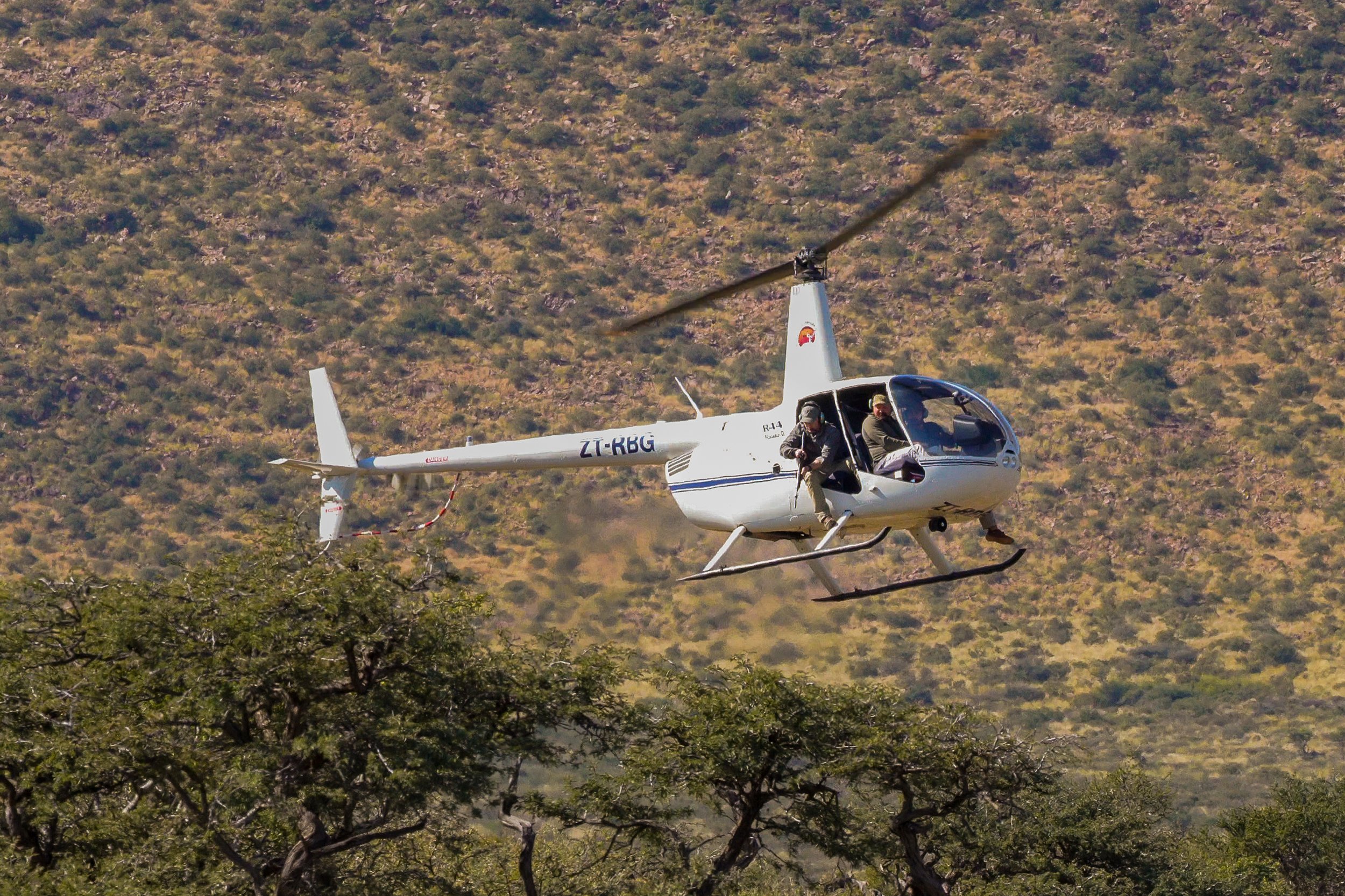
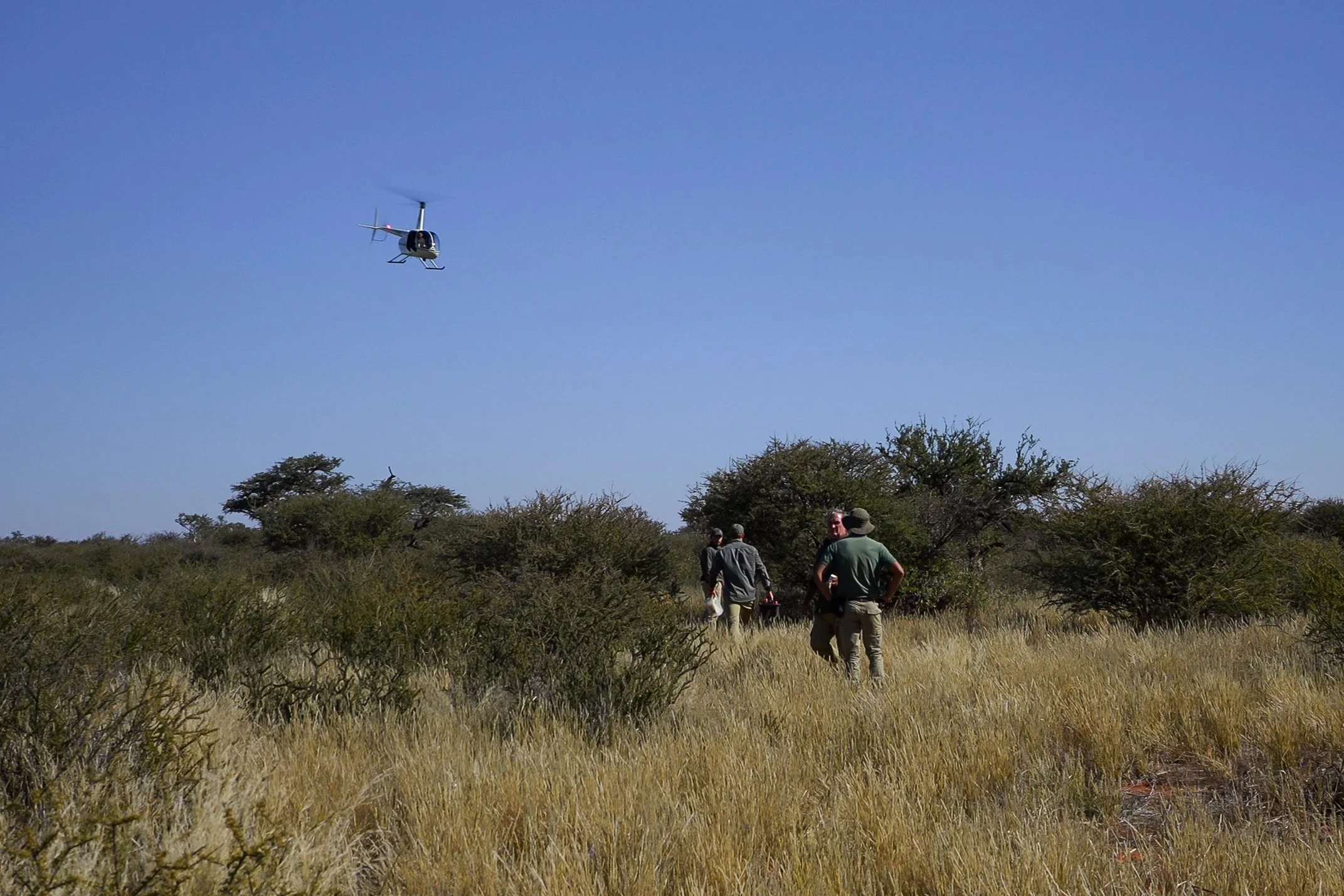
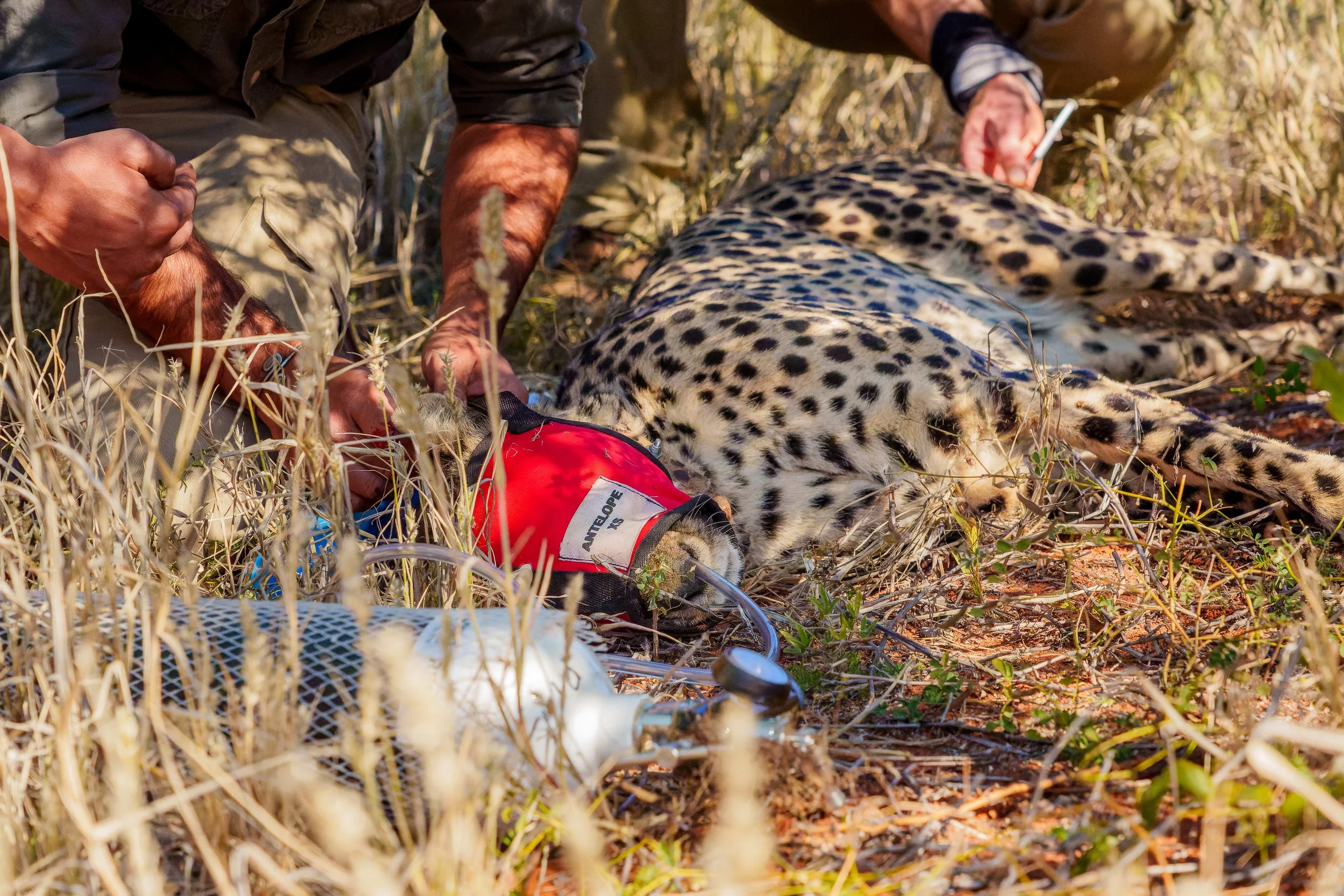
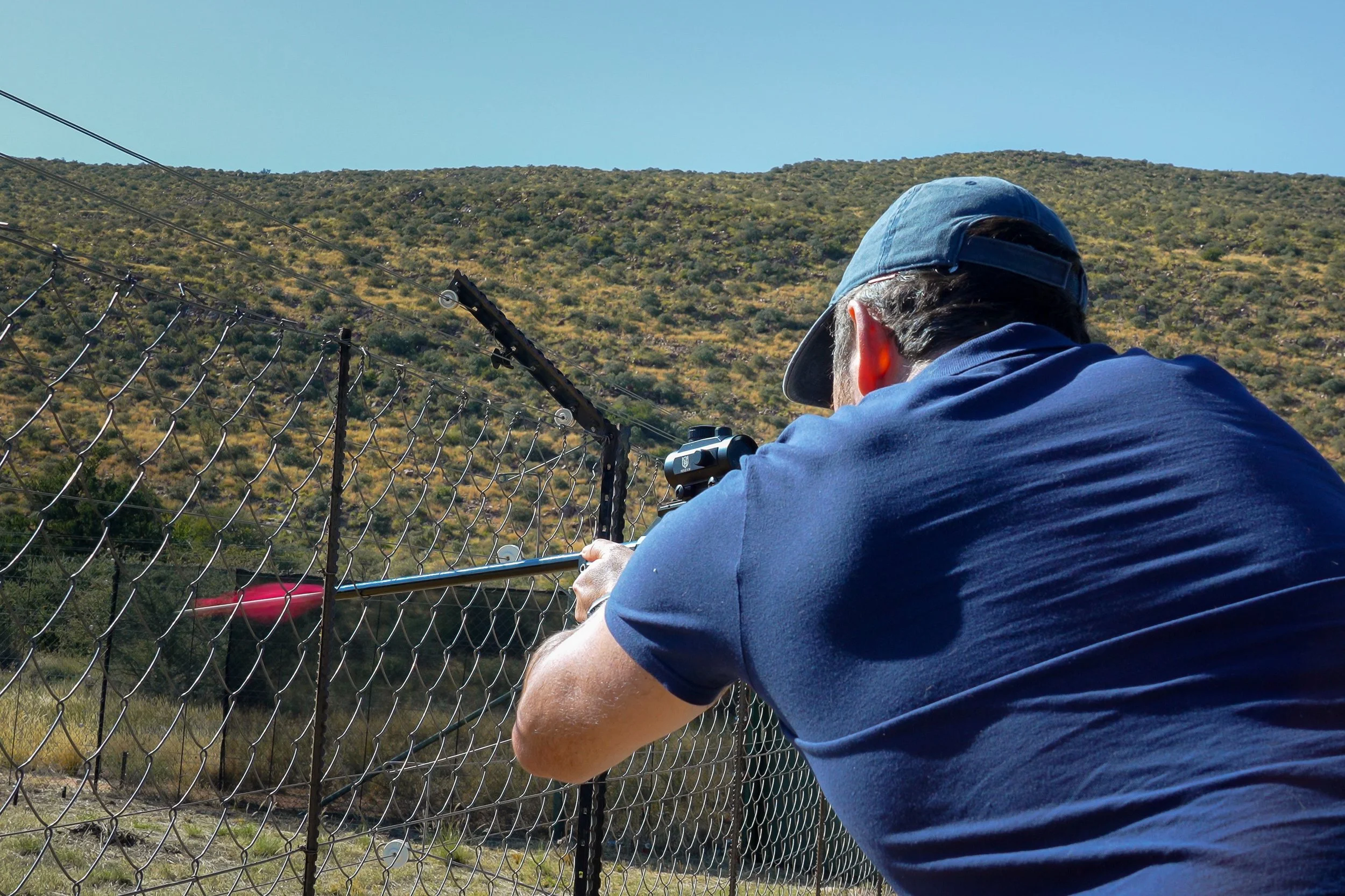
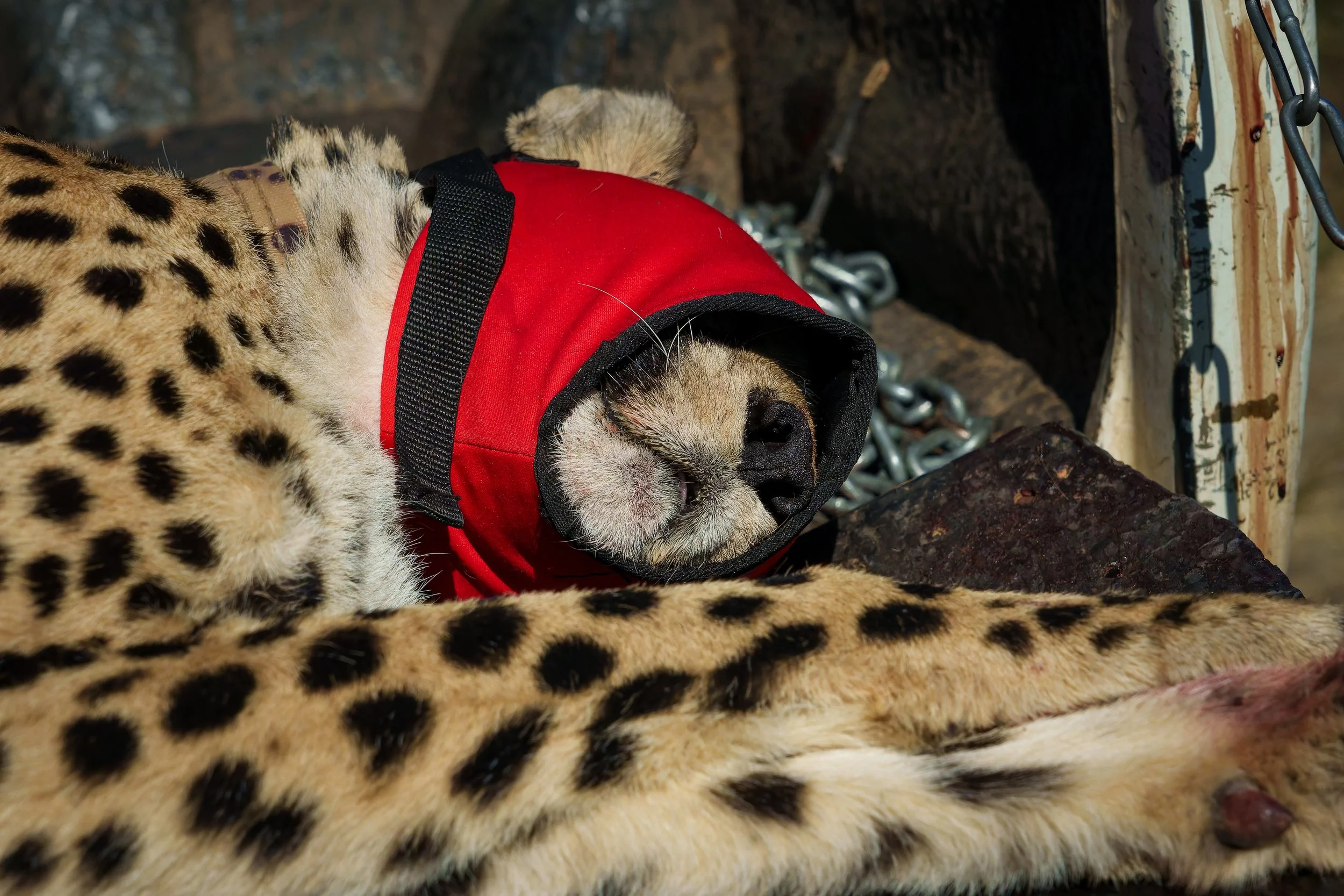
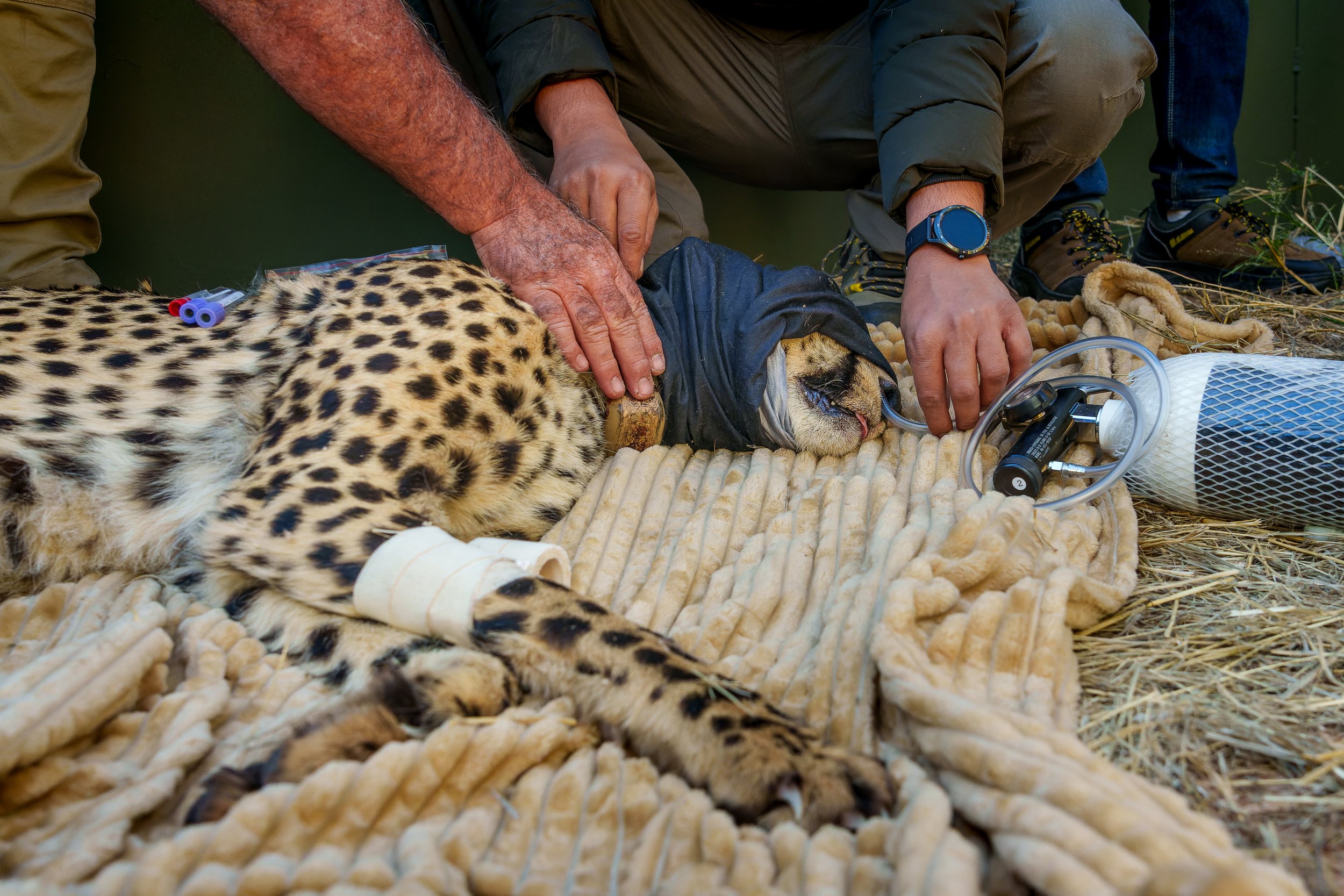
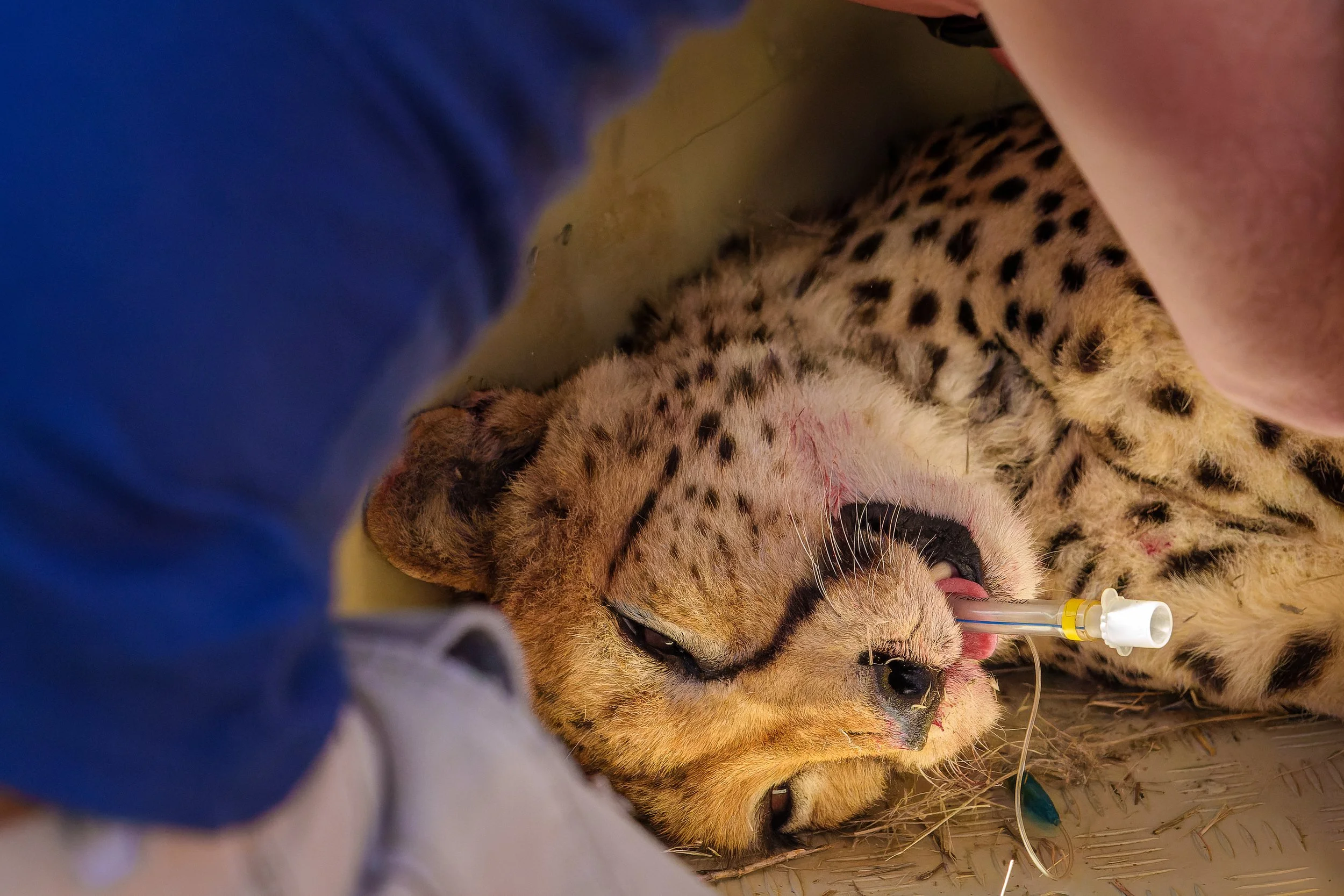
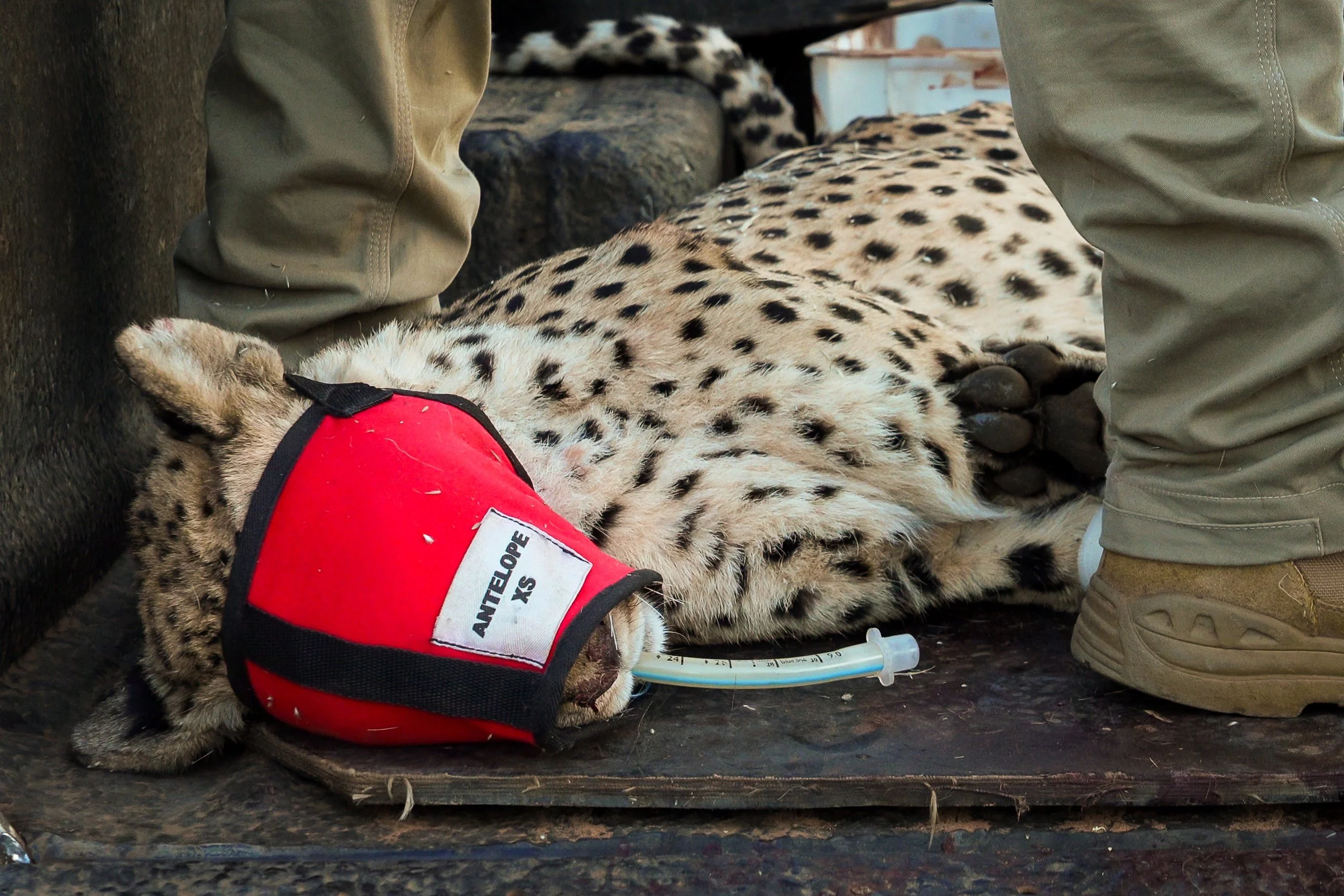
Once a cheetah had been located, the veterinarian immobilised it with a dart gun from a helicopter. The team then had approximately forty minutes to complete the necessary health checks and collect DNA samples before the animal was placed in a transport crate and allowed to recover.
Preparing the Cheetahs
Some of the cheetahs had already been captured and were being kept in a temporary holding boma.
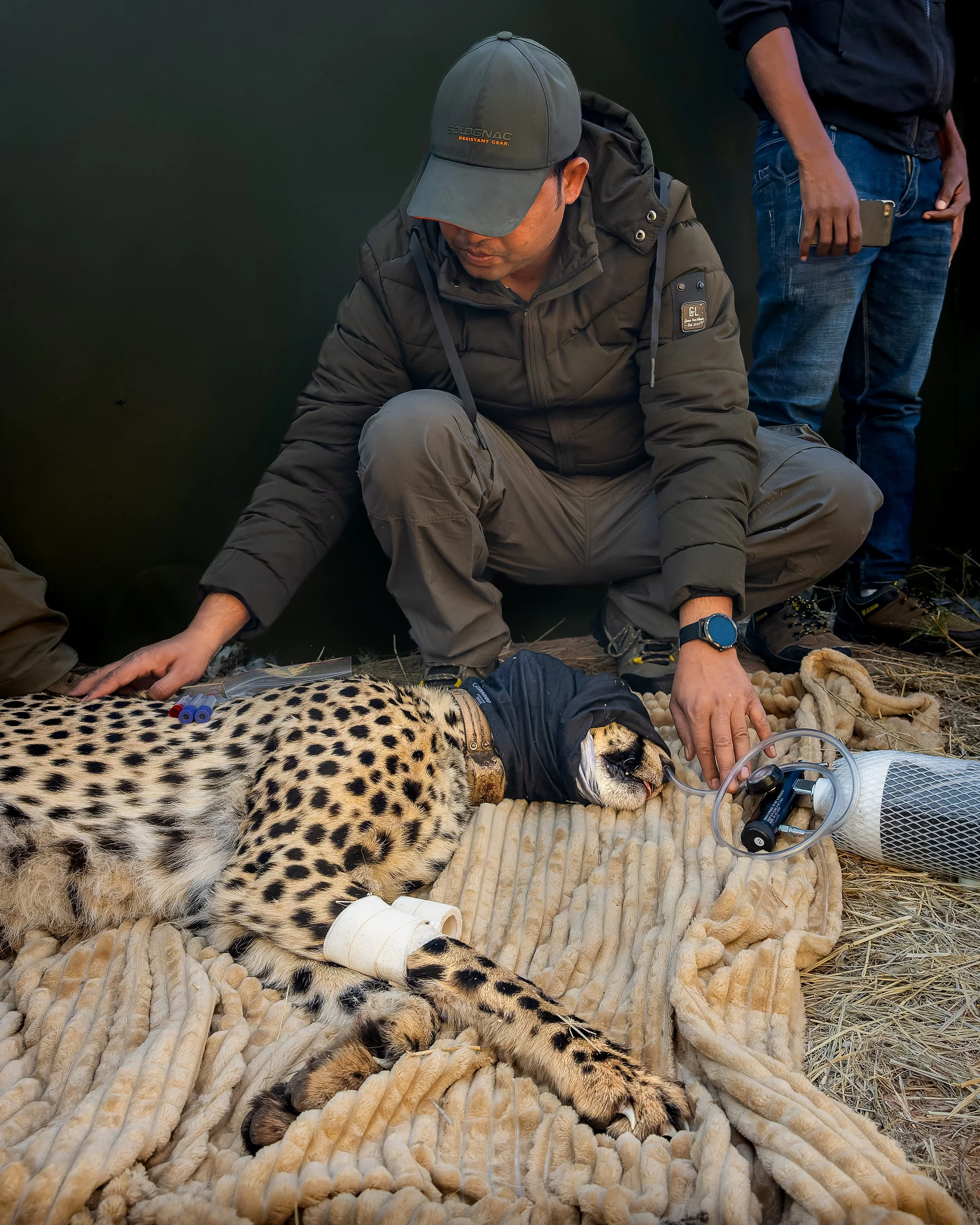
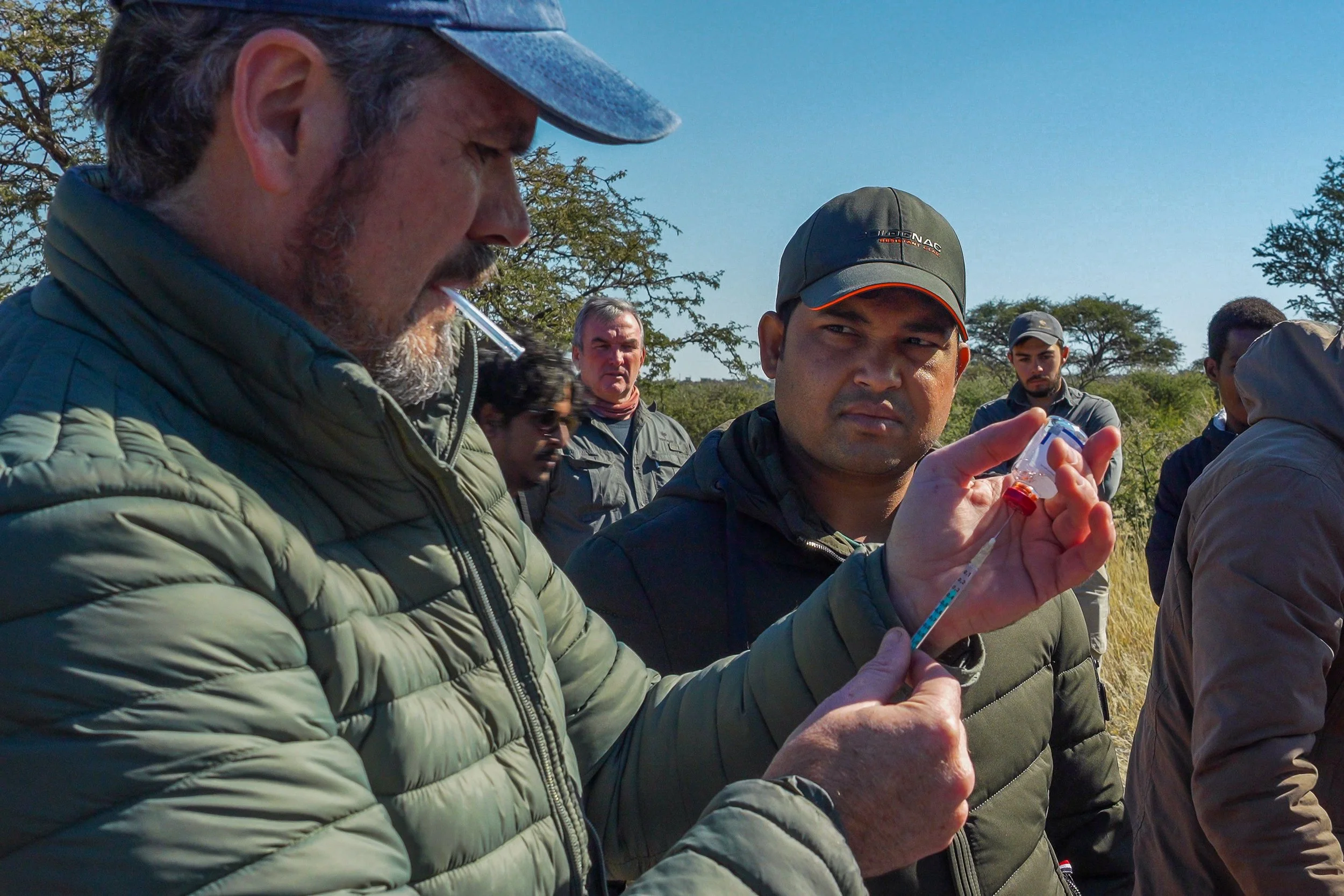
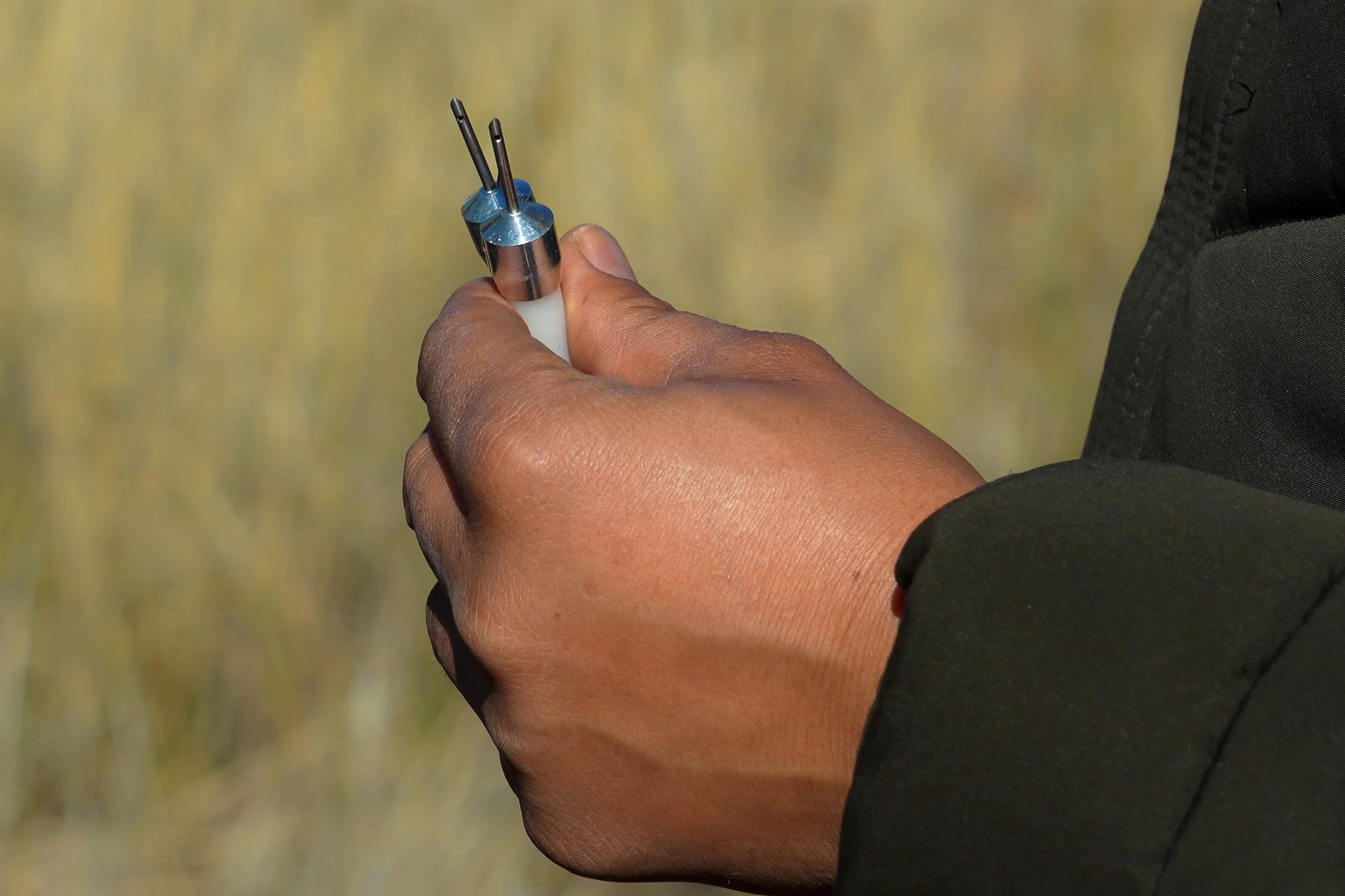
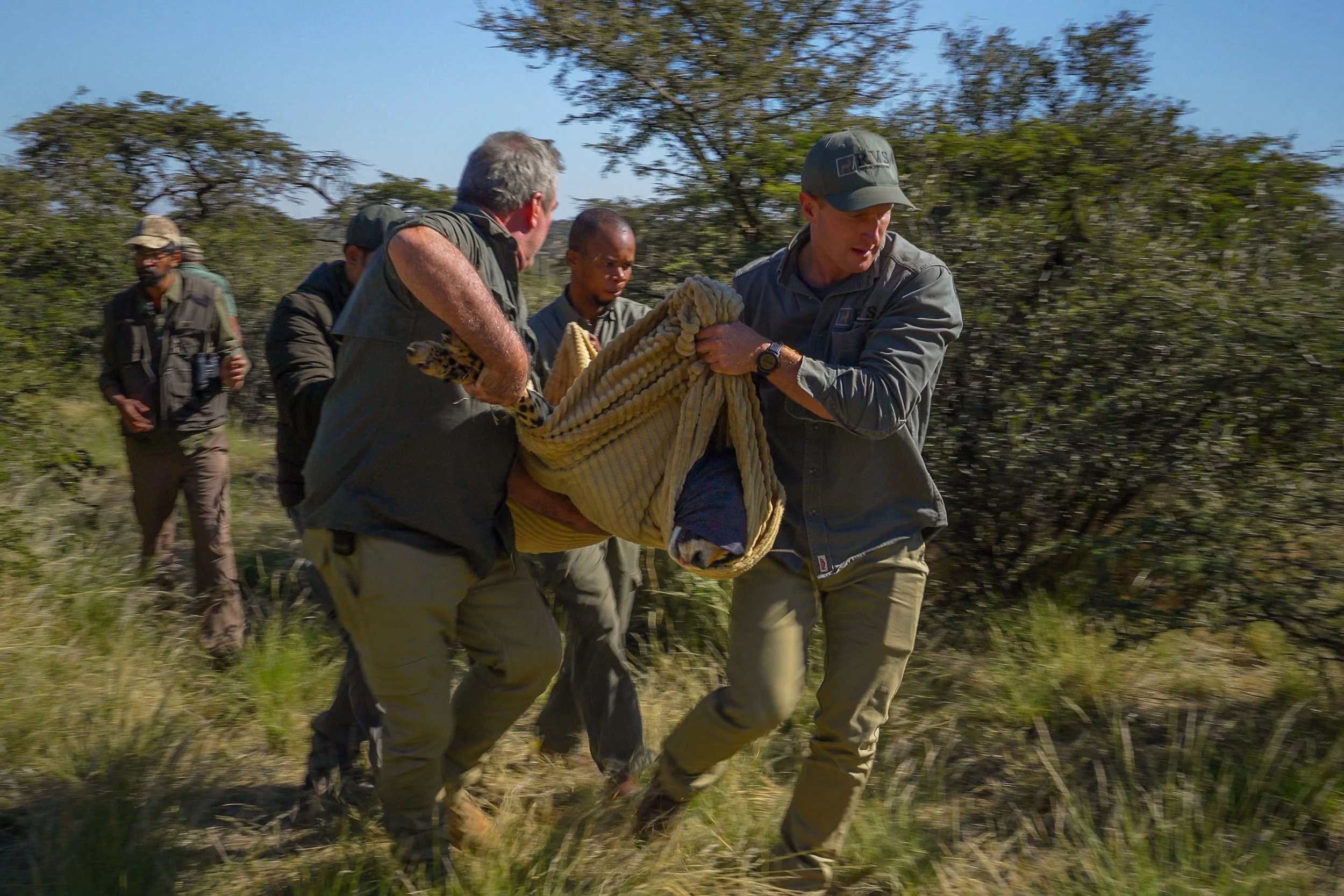
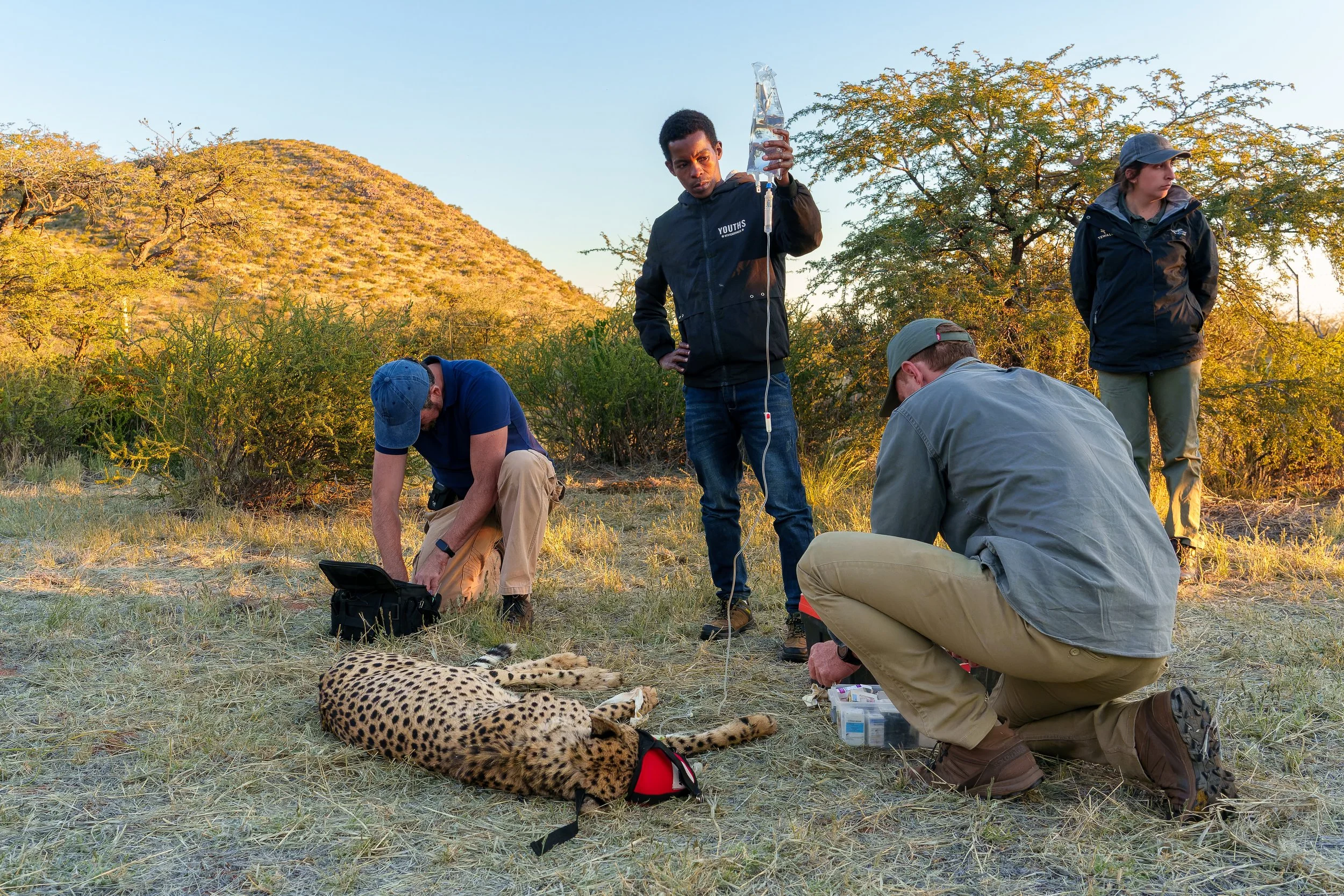
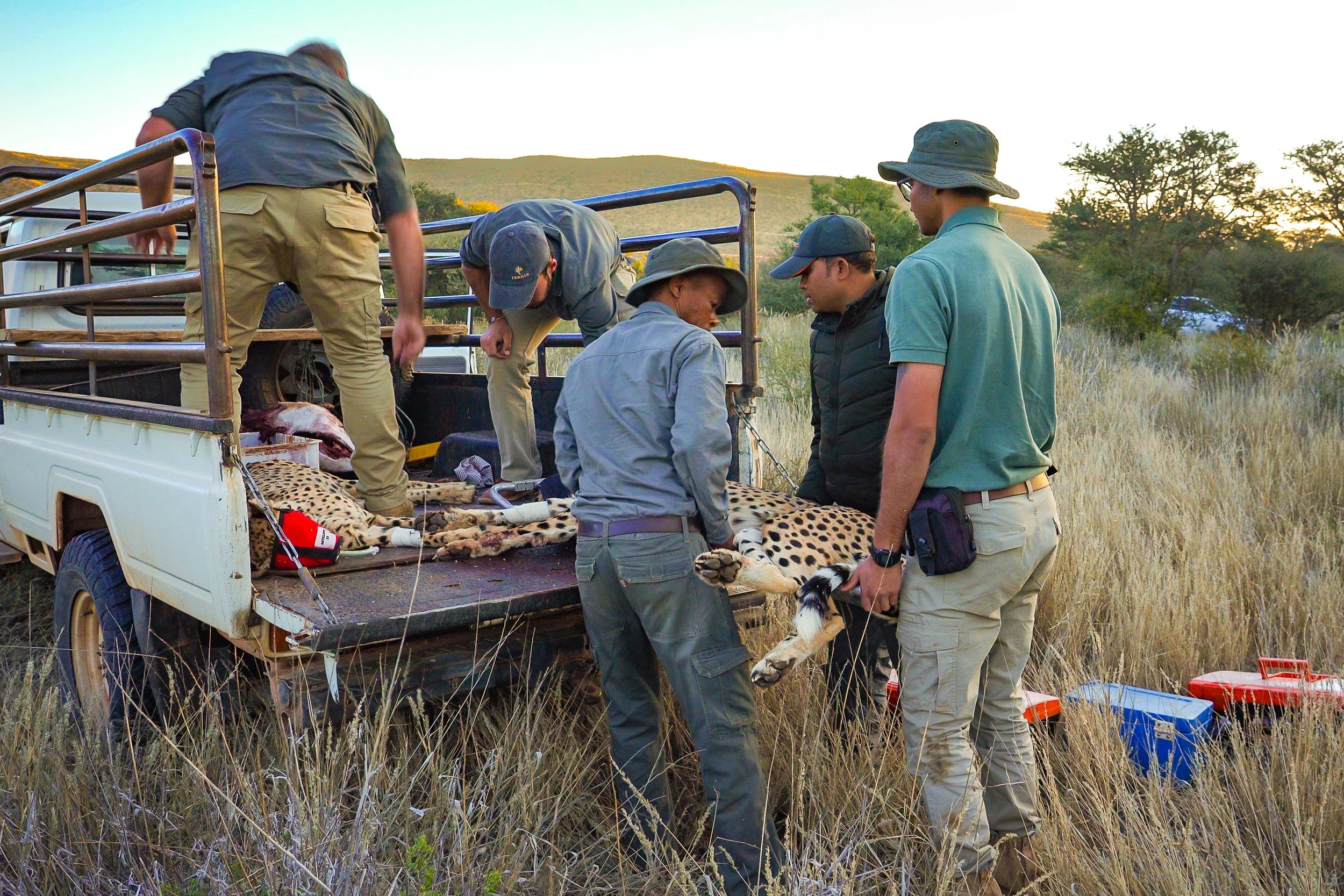
Dr Adrian Tordiff, the veterinarian from South Africa, prepared the tranquiliser dart and carefully immobilised each cheetah. The team then carried the animals to a vehicle and transported them to a safe, shaded area where the veterinary examination could take place.
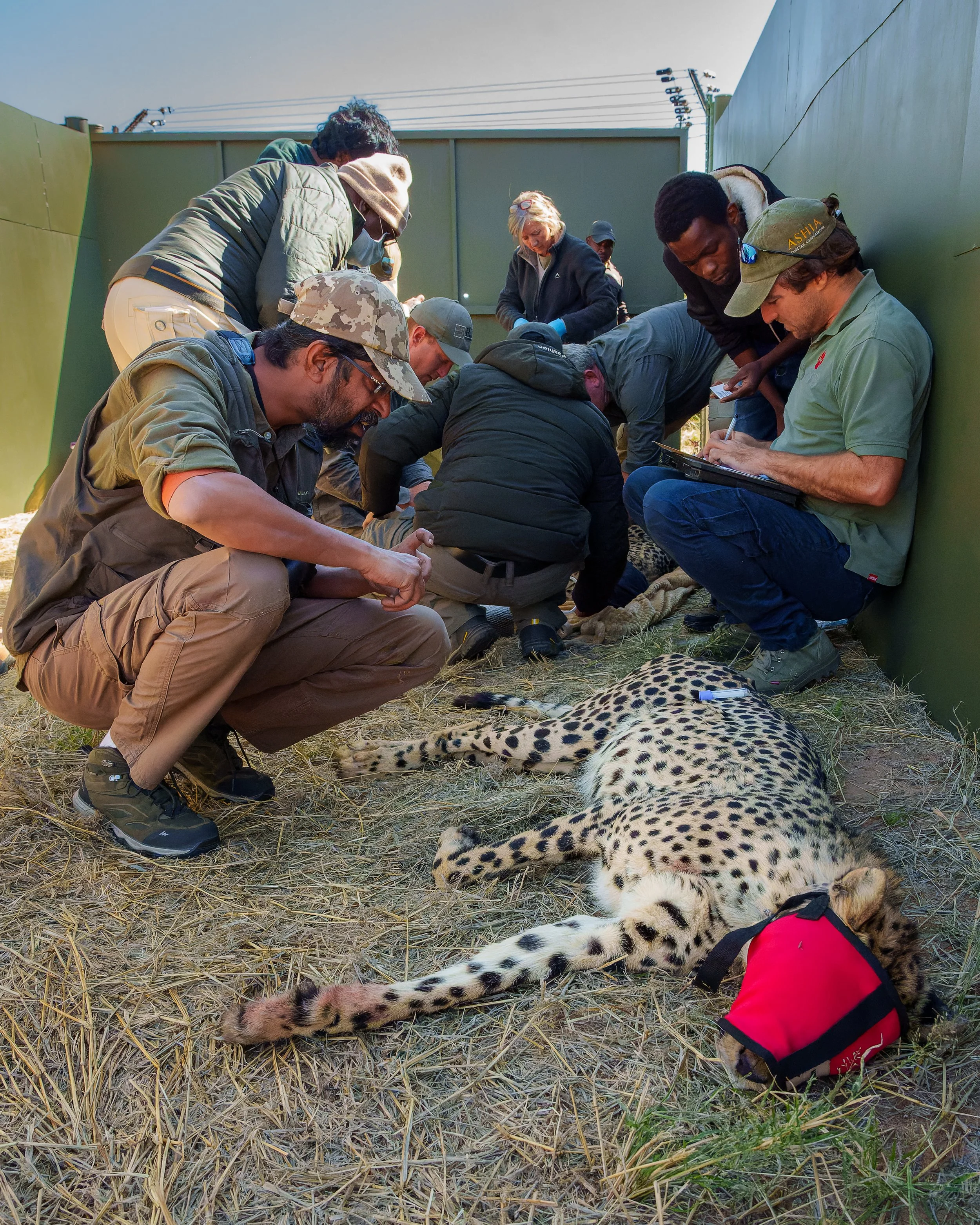
Each cheetah underwent a health check, while blood and hair samples were collected for DNA analysis. For the Indian team, these procedures were also an opportunity to gain practical knowledge and experience from their South African colleagues in cheetah immobilisation, handling and veterinary care.
Immobilising a cheetah is always a stressful event and the team had to work as quickly and efficiently as possible to minimise the risks to the animal. Once the examination was complete, the cheetah was placed in its transport crate and given an injection to reverse the immobilisation.
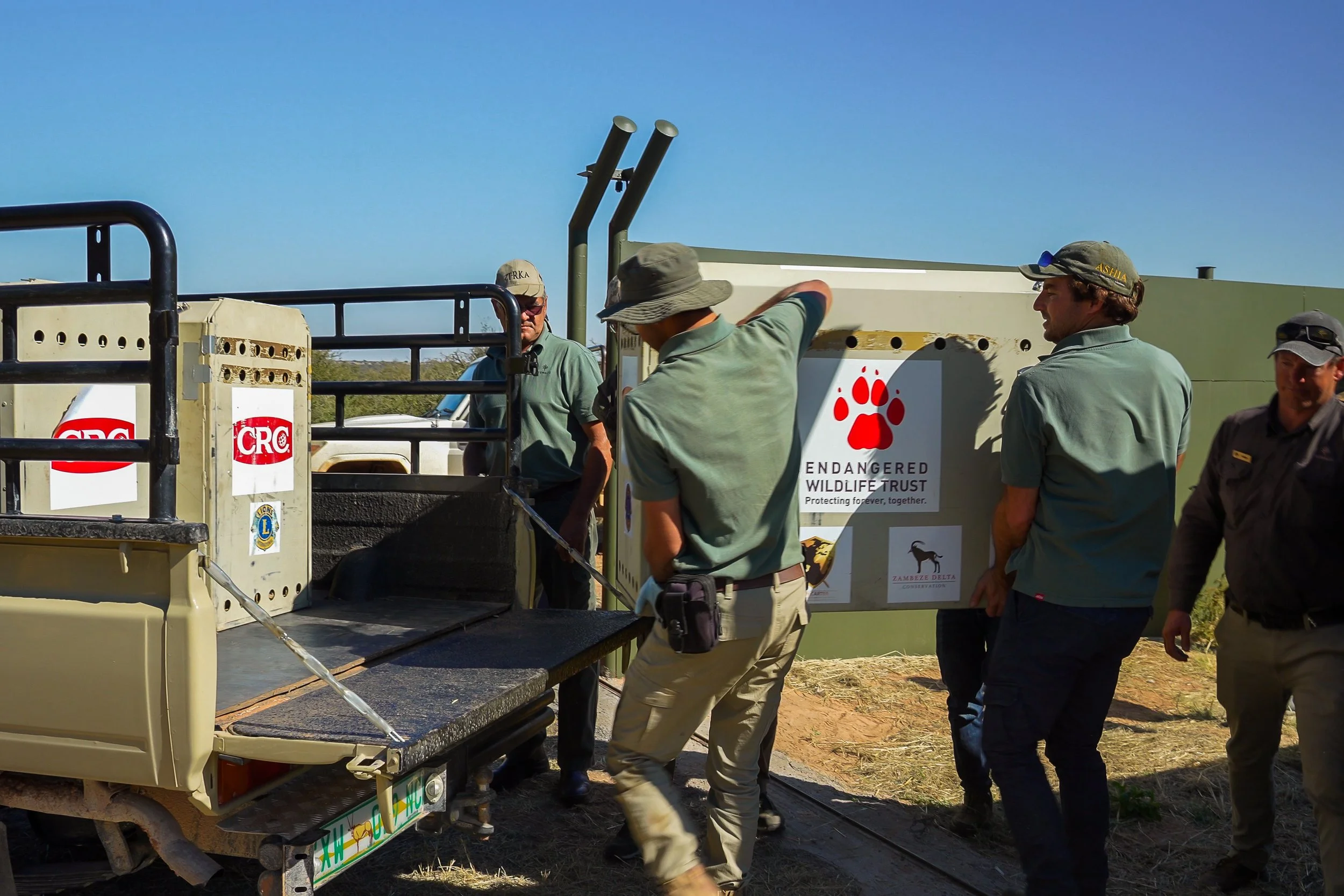
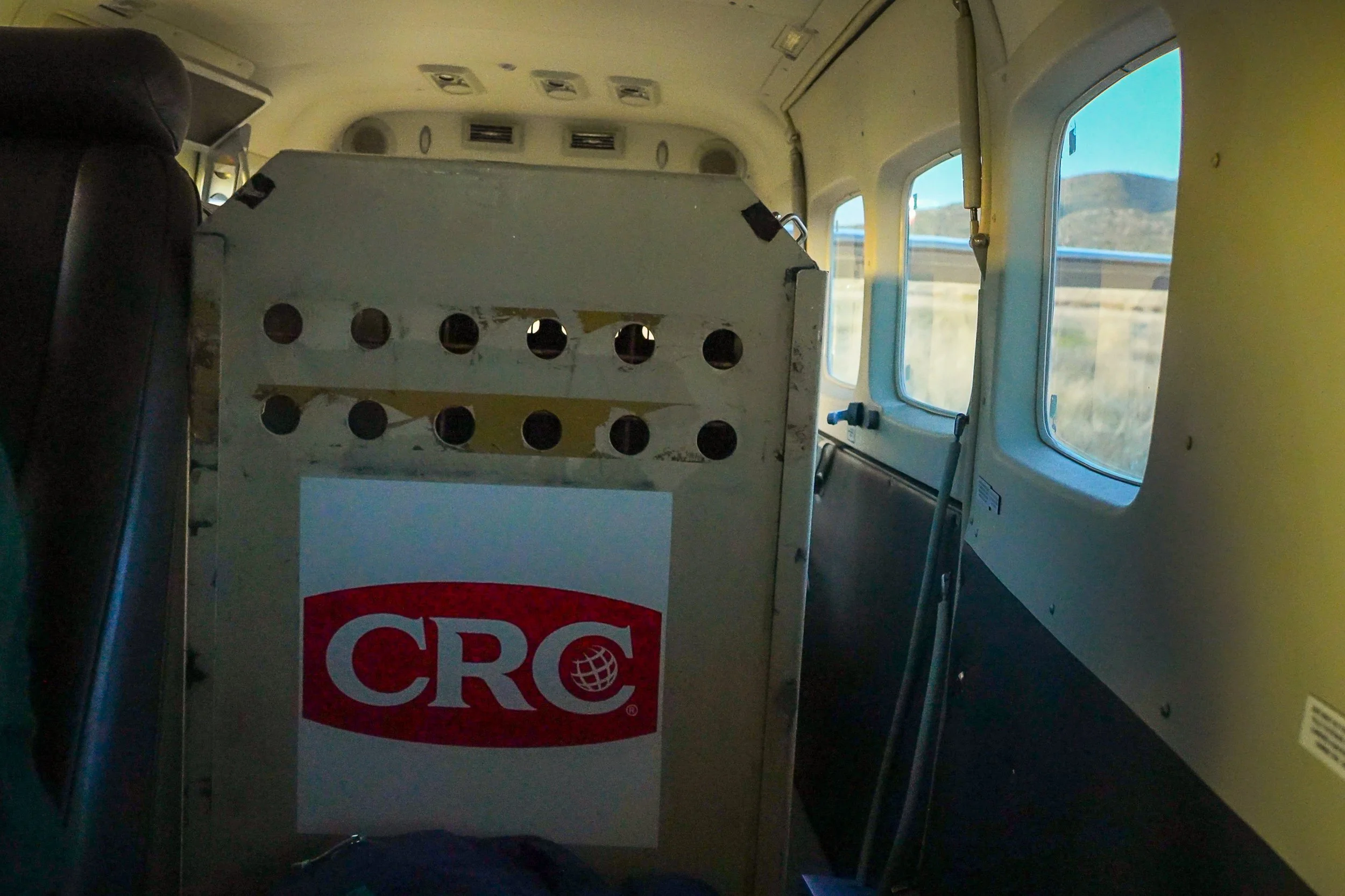
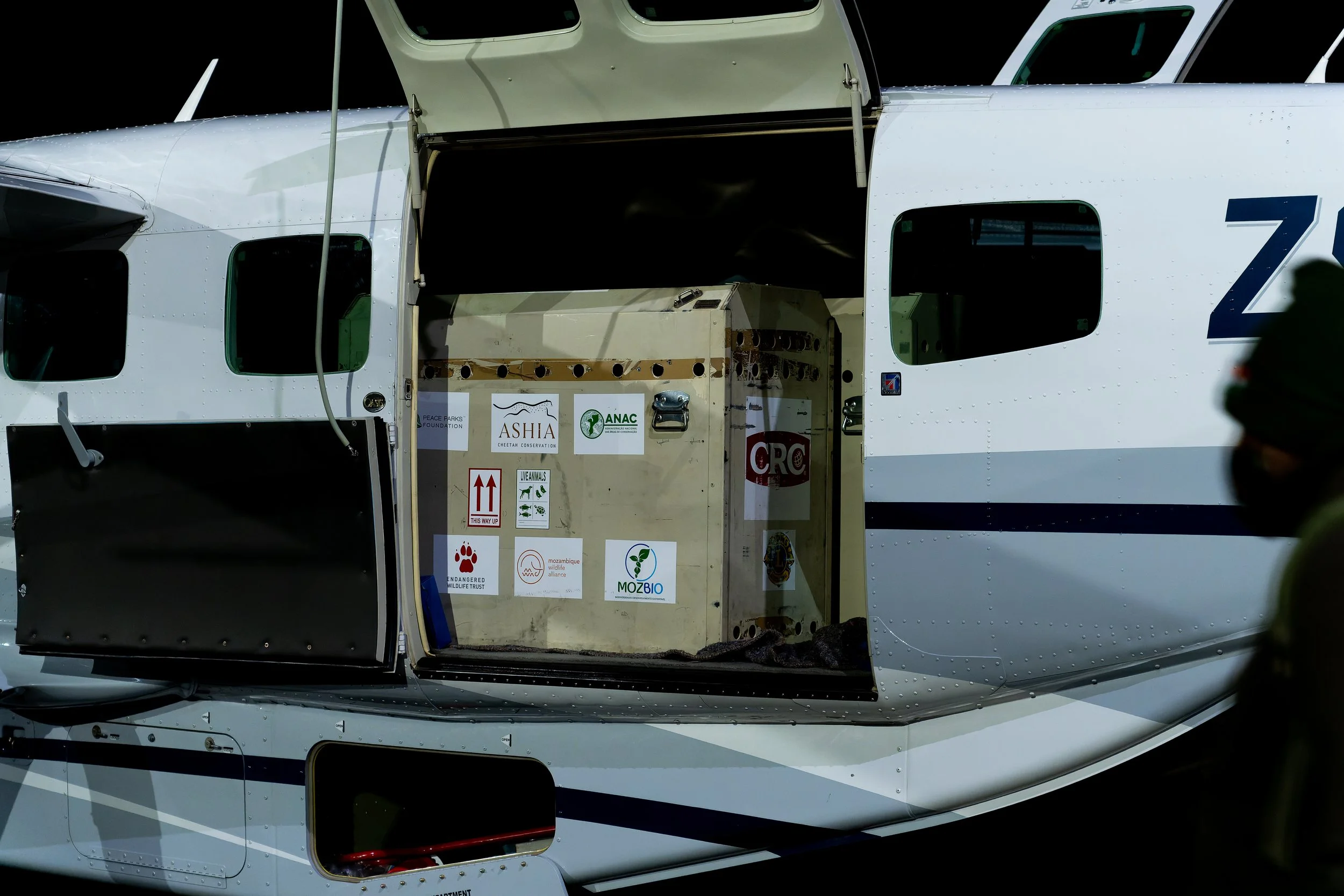
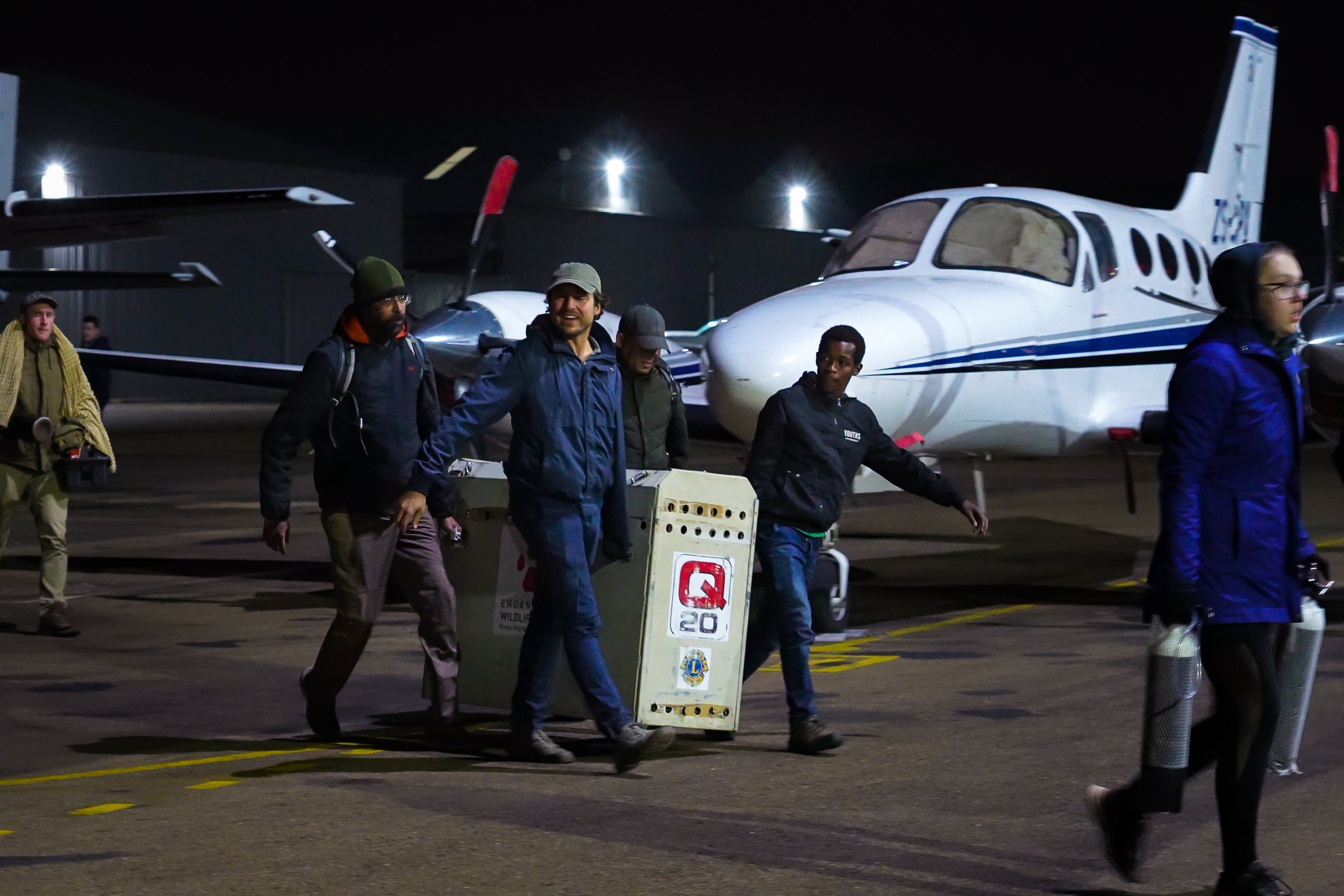
The cheetahs were then loaded onto the planes for the flight back to Johannesburg. From there, they were transferred into several vehicles for the next stage of the journey: a six-hour drive to KwaZulu-Natal.
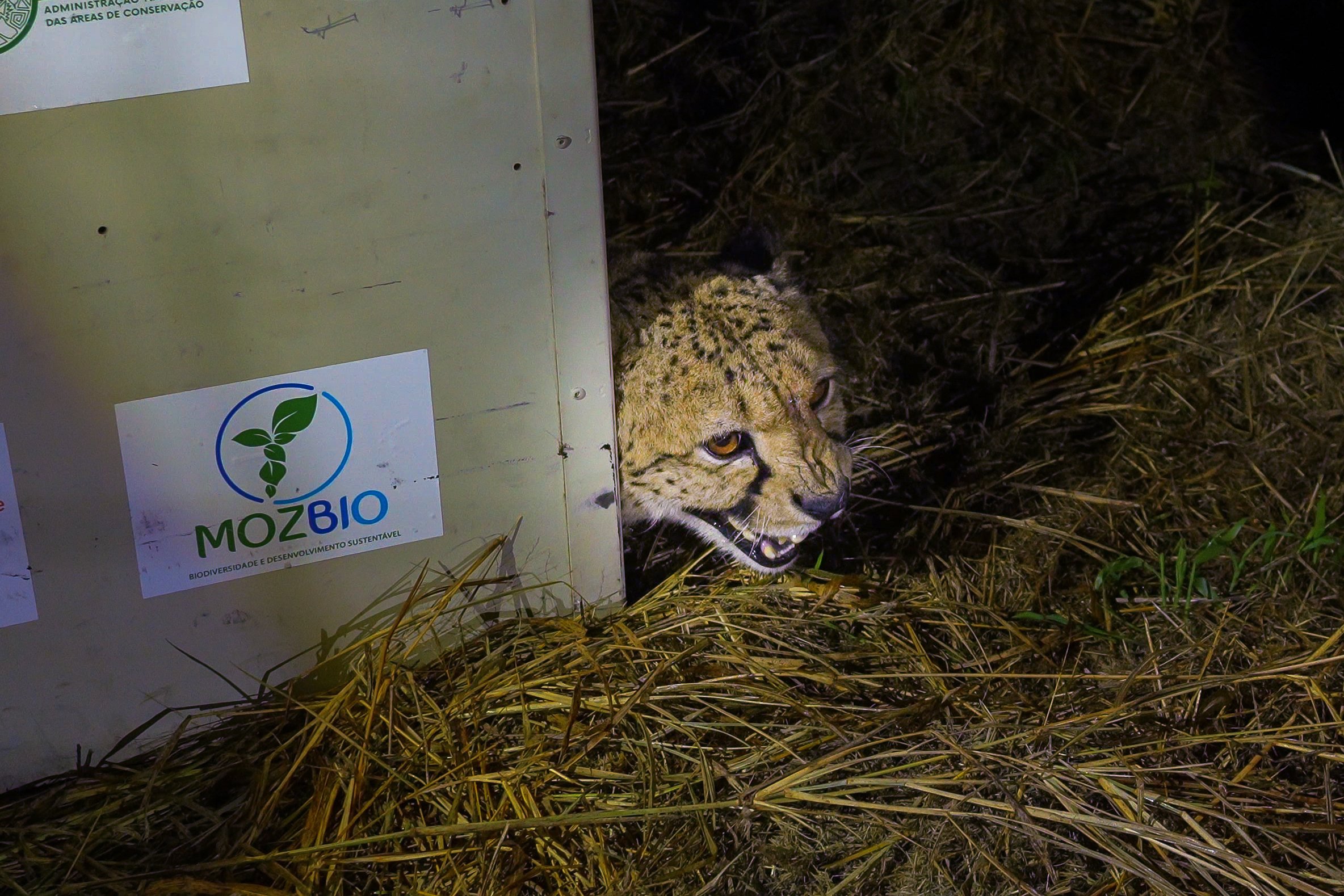
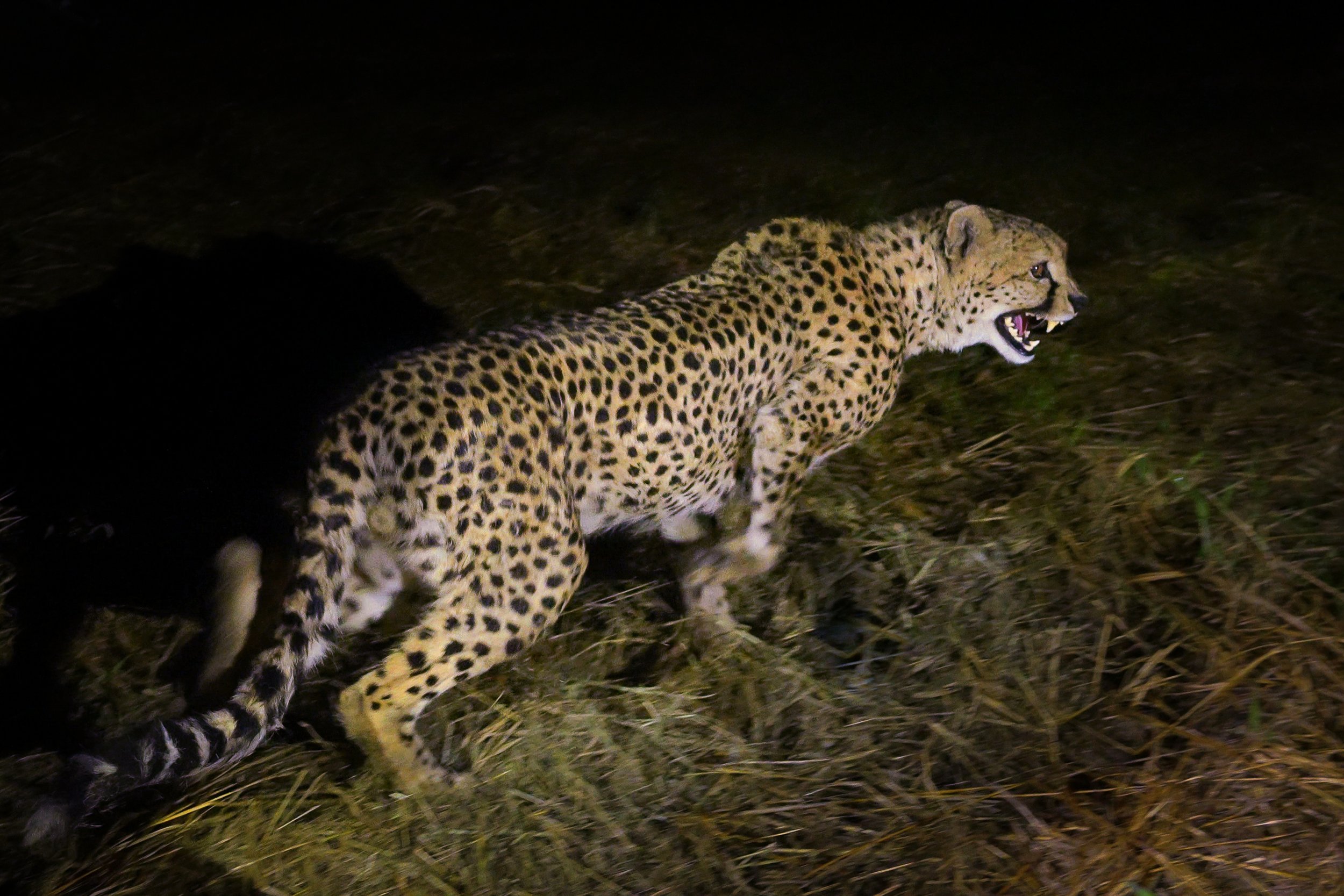
It was a race against time, and there was enormous relief when the cheetahs finally arrived safely and were released into their temporary holding bomas, where they would remain while preparations continued for their journey to Kuno National Park in India.
Phinda Private Game Reserve
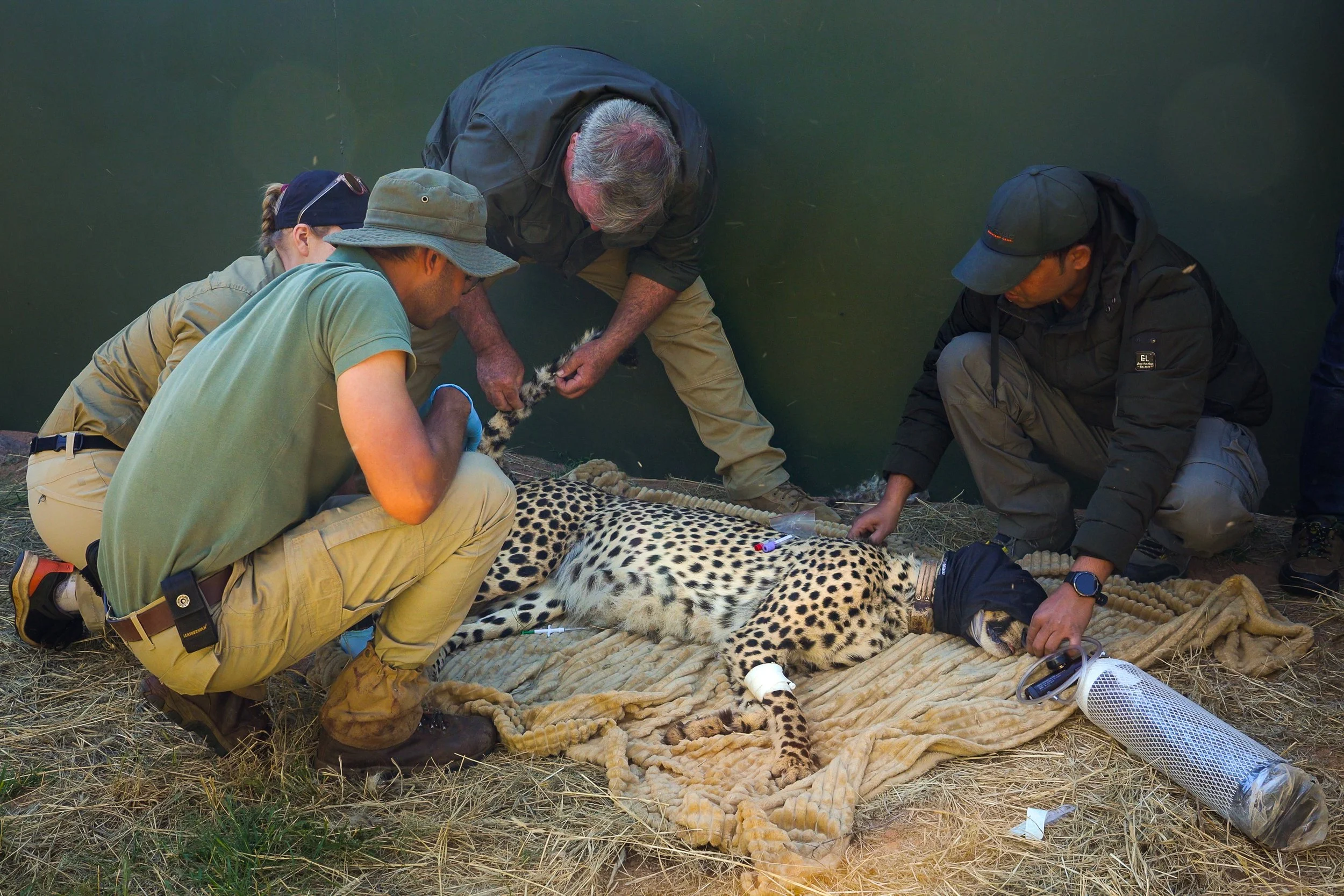
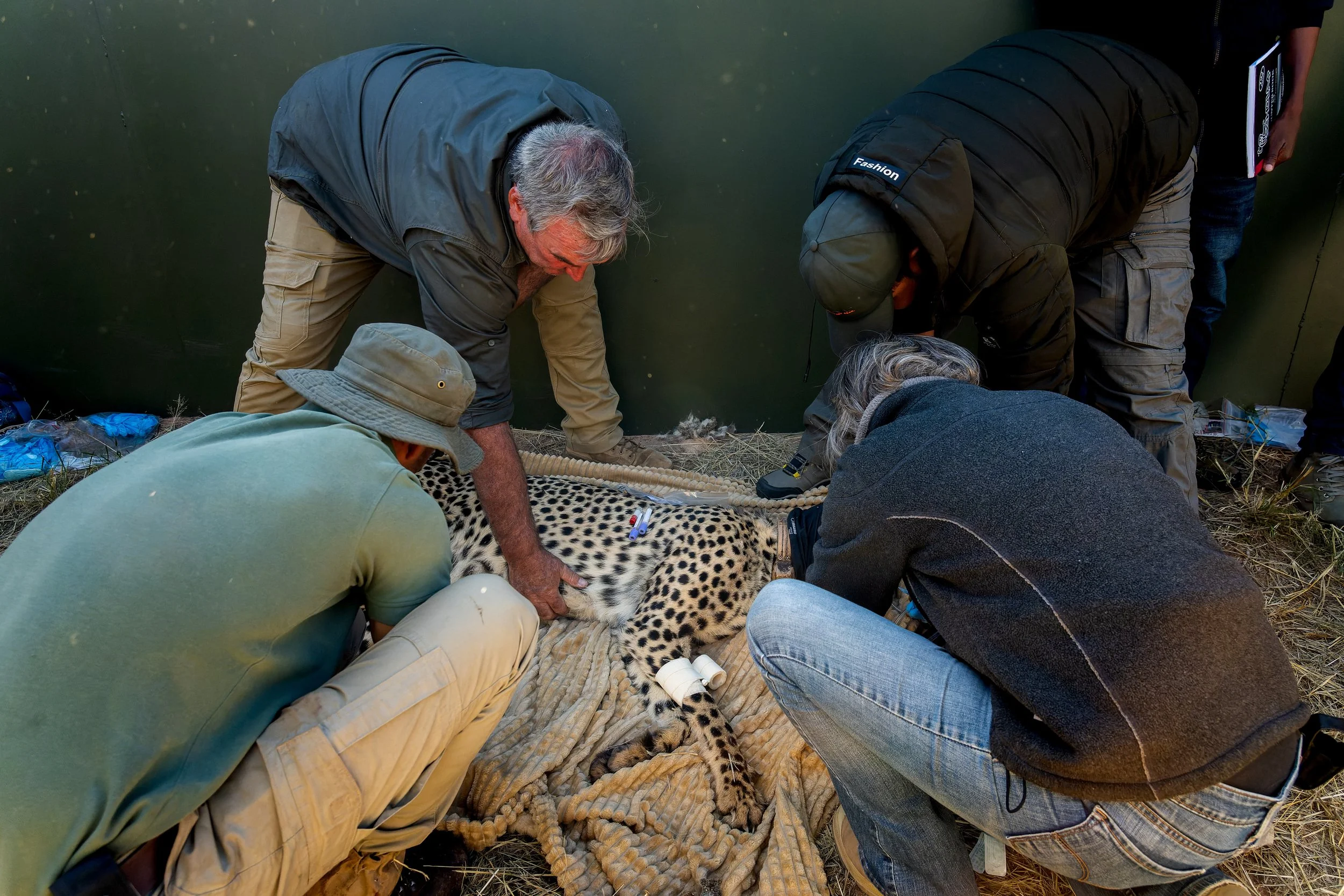
The following day, the team travelled to &Beyond Phinda Private Game Reserve for further training and practical experience. The Indian team joined the South African veterinary and conservation team during the immobilisation and examination of a cheetah already being held in a temporary boma.
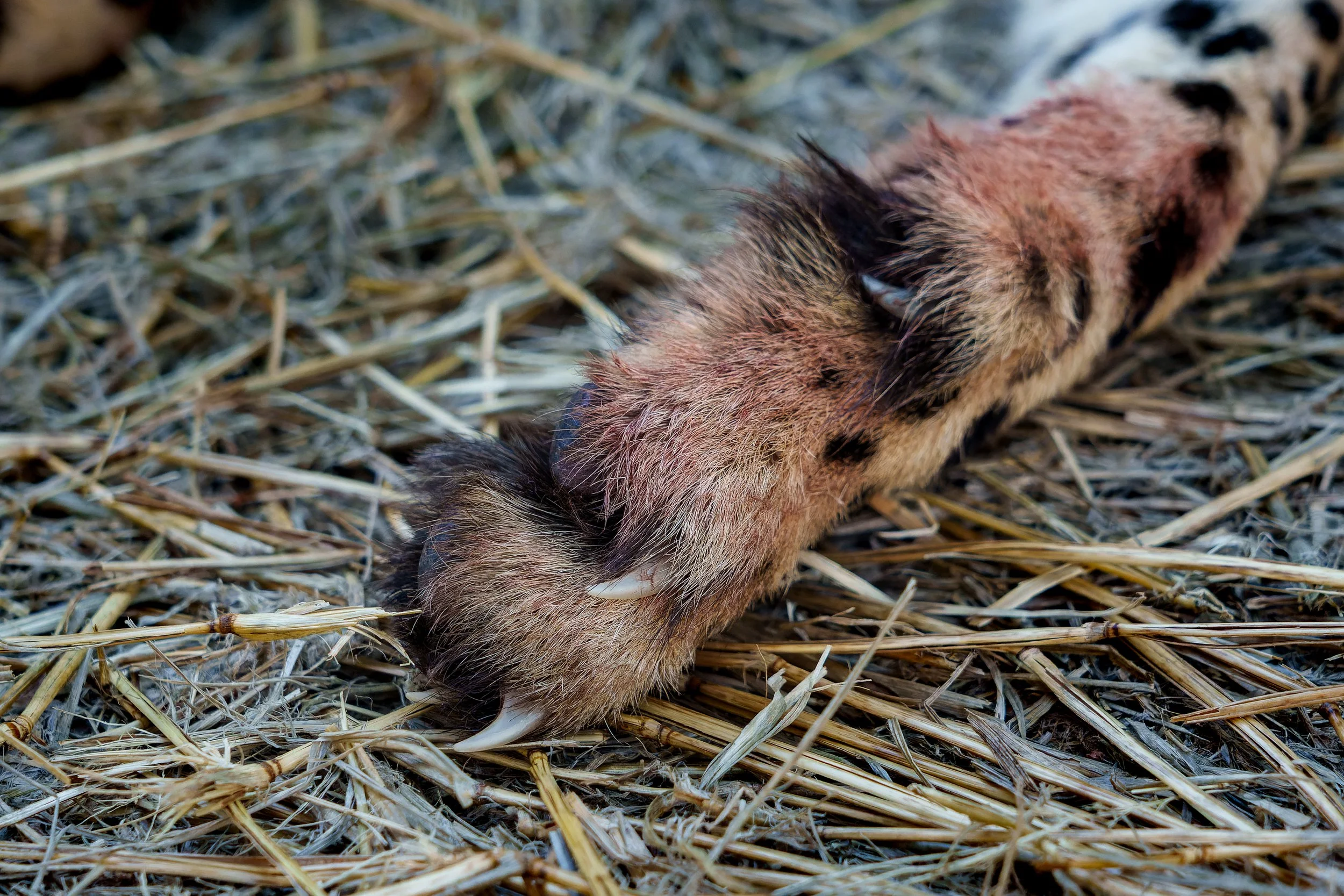
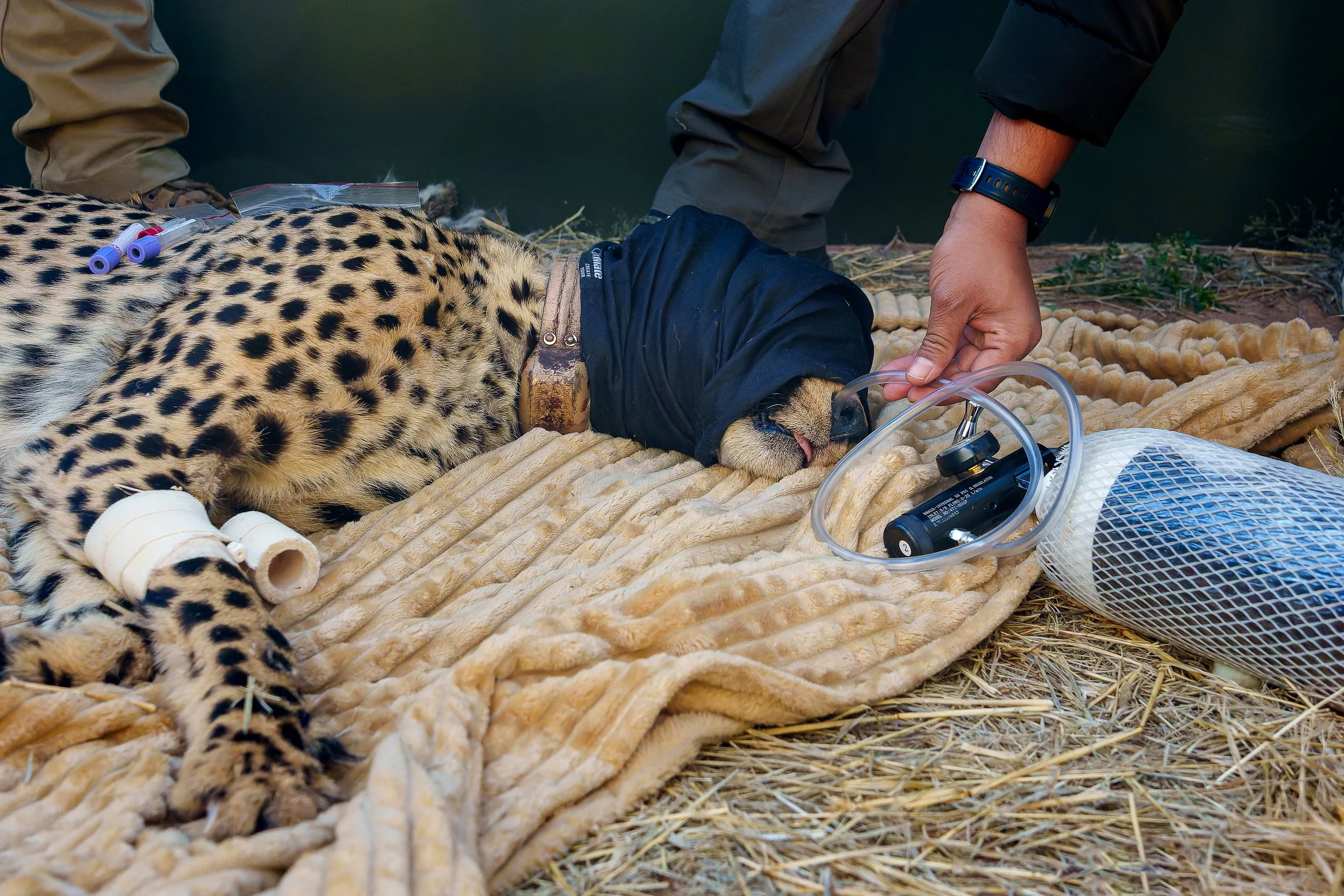
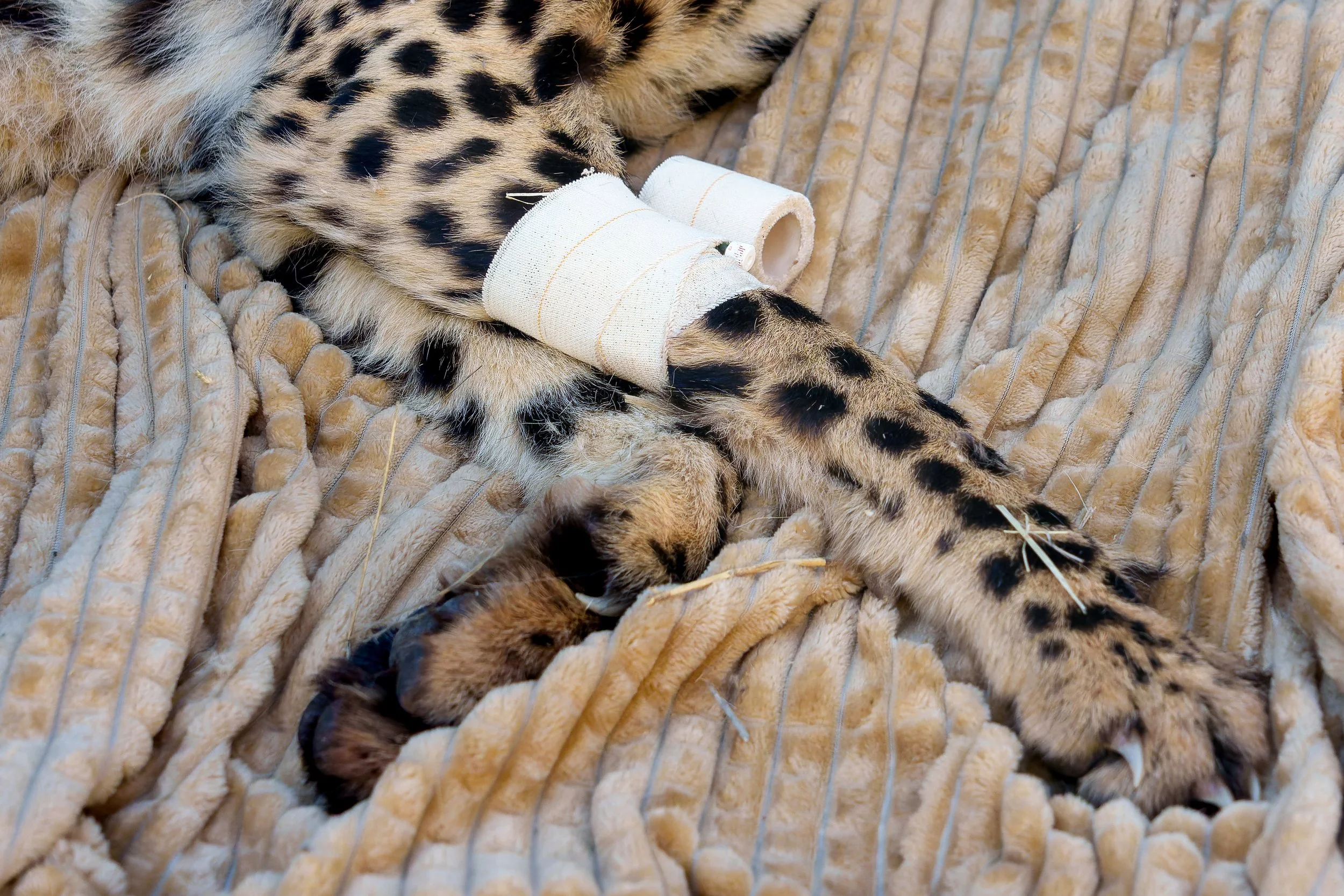
The cheetah had suffered a minor injury that had required stitches. Dr Mike Toft immobilised the animal so the stitches could be removed and a full health check could be carried out. Working alongside their South African colleagues, the Indian team took part in the examination, helping to record measurements, take notes and learn about the different steps involved in safely handling and assessing a cheetah.
It was not only a veterinary procedure, but also an opportunity to share practical knowledge and experience that the Indian team could take back with them as they prepared for the arrival and management of the cheetahs in India.
Phinda has been highly successful in breeding cheetahs since they were reintroduced there in 1992. Between 1992 and 2013, 70 litters were born, producing 124 cubs. As the population grew, 53 cheetahs were relocated to other reserves. Phinda would contribute three of its cheetahs to the reintroduction project in India.
Creating space for cheetahs
At the heart of the South African side of the project was conservationist Vincent van der Merwe, who had recently founded the Metapopulation Initiative after leaving the Endangered Wildlife Trust.
Over the previous decade, Vincent had played a key role in growing South Africa’s managed cheetah population from 217 cheetahs across 40 reserves to 504 across 69 reserves. This success, however, also highlighted one of the biggest challenges facing cheetah conservation: there was increasingly little safe space available for a growing population.
The metapopulation approach helps maintain viable cheetah populations by moving animals between protected areas, but even with this strategy, suitable habitat in South Africa remained limited.
With fewer than 7,000 cheetahs estimated to remain in the wild at the time, the reintroduction of cheetahs to India offered an opportunity to create additional space for the species while restoring a population that had been absent from the country for more than seven decades.
The reintroduction to India therefore represented more than the return of a species that had been absent from the country for decades. It also offered the possibility of creating new space for cheetahs beyond their remaining range in Africa.