Lion collaring Northern Kruger
Monitoring lions to protect them
Along the northern boundary of Kruger National Park, some lion prides live dangerously close to human activity. These areas near the park’s borders are considered high-risk zones, where lions face threats such as poisoning, snaring and potential conflict with nearby communities.
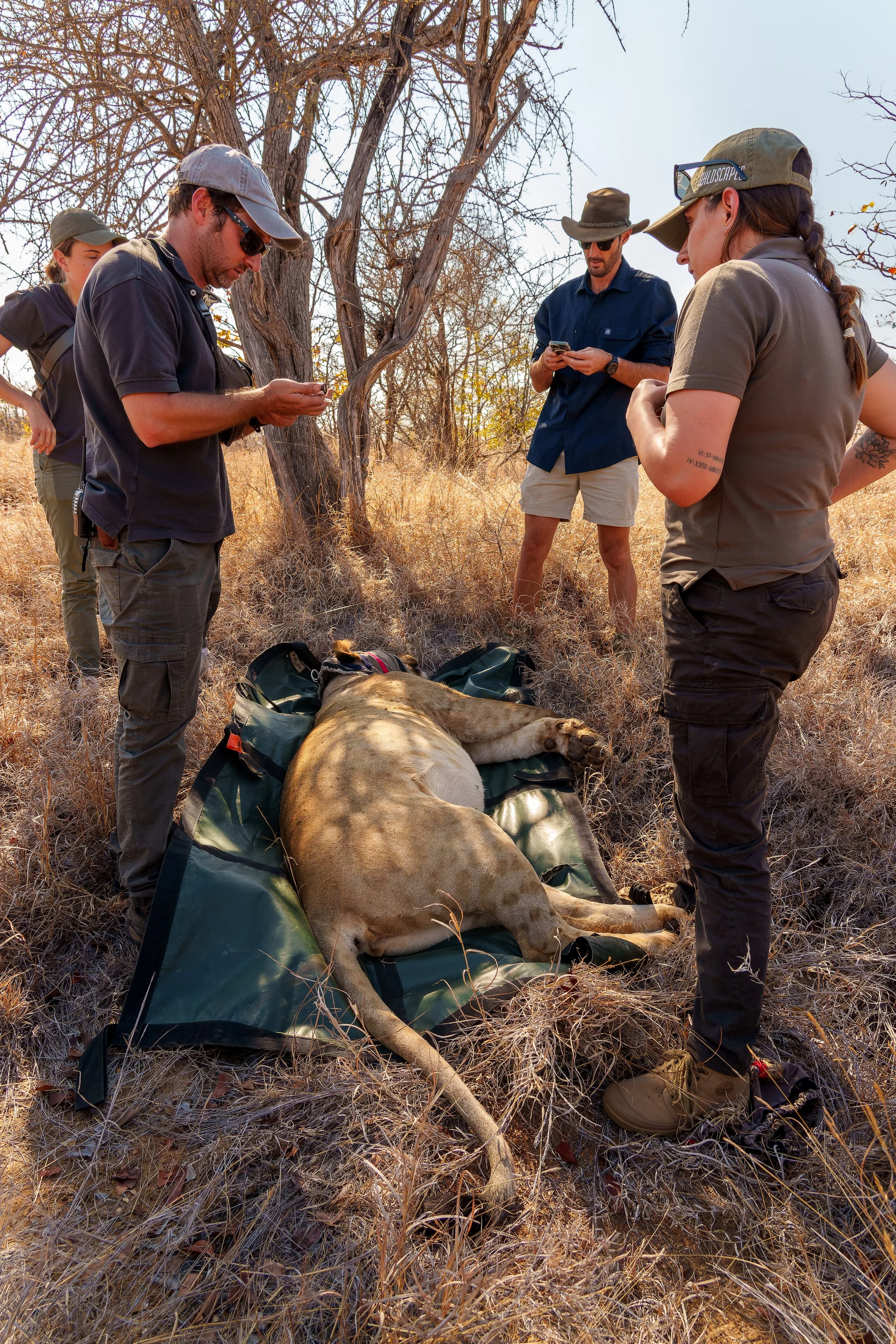
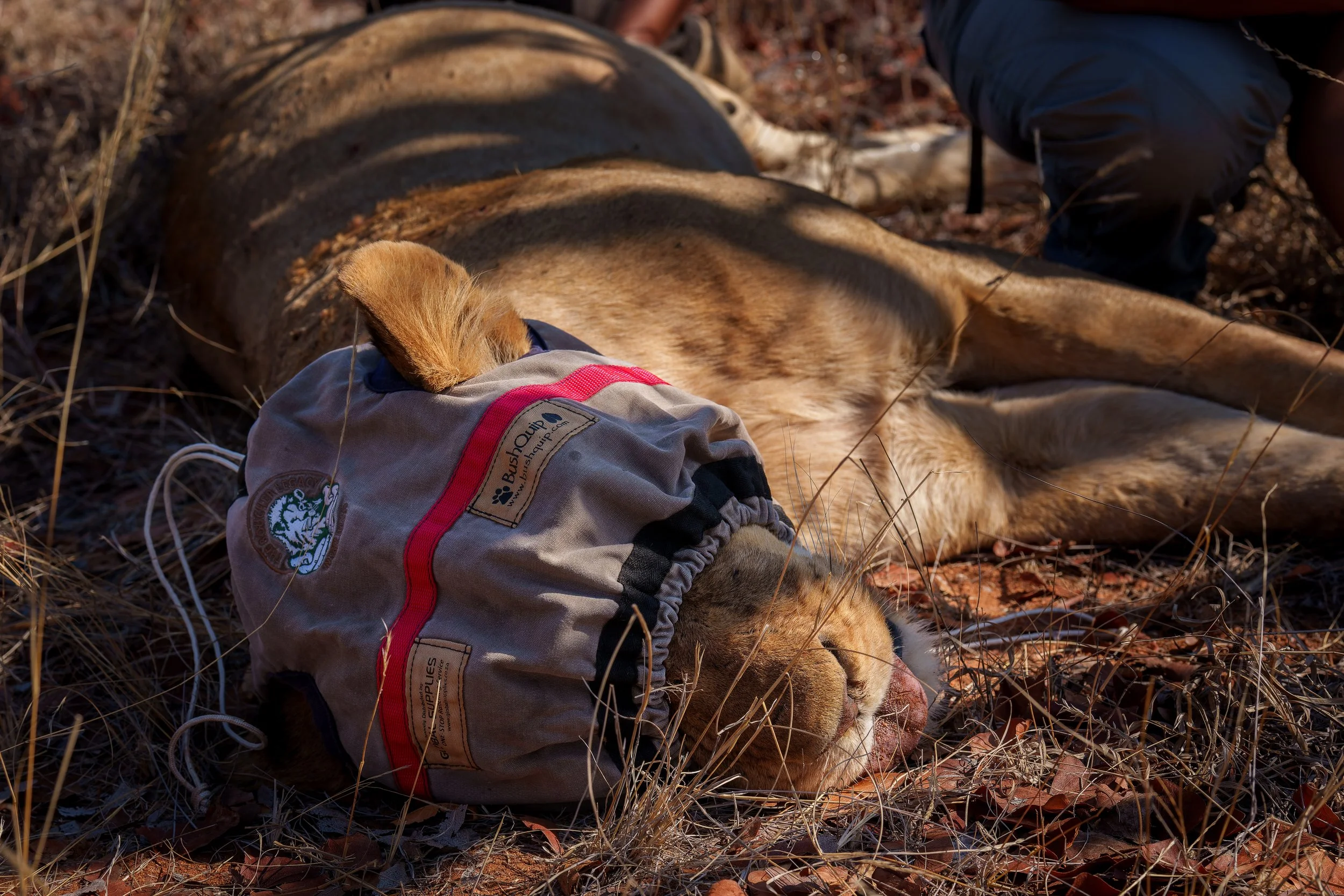
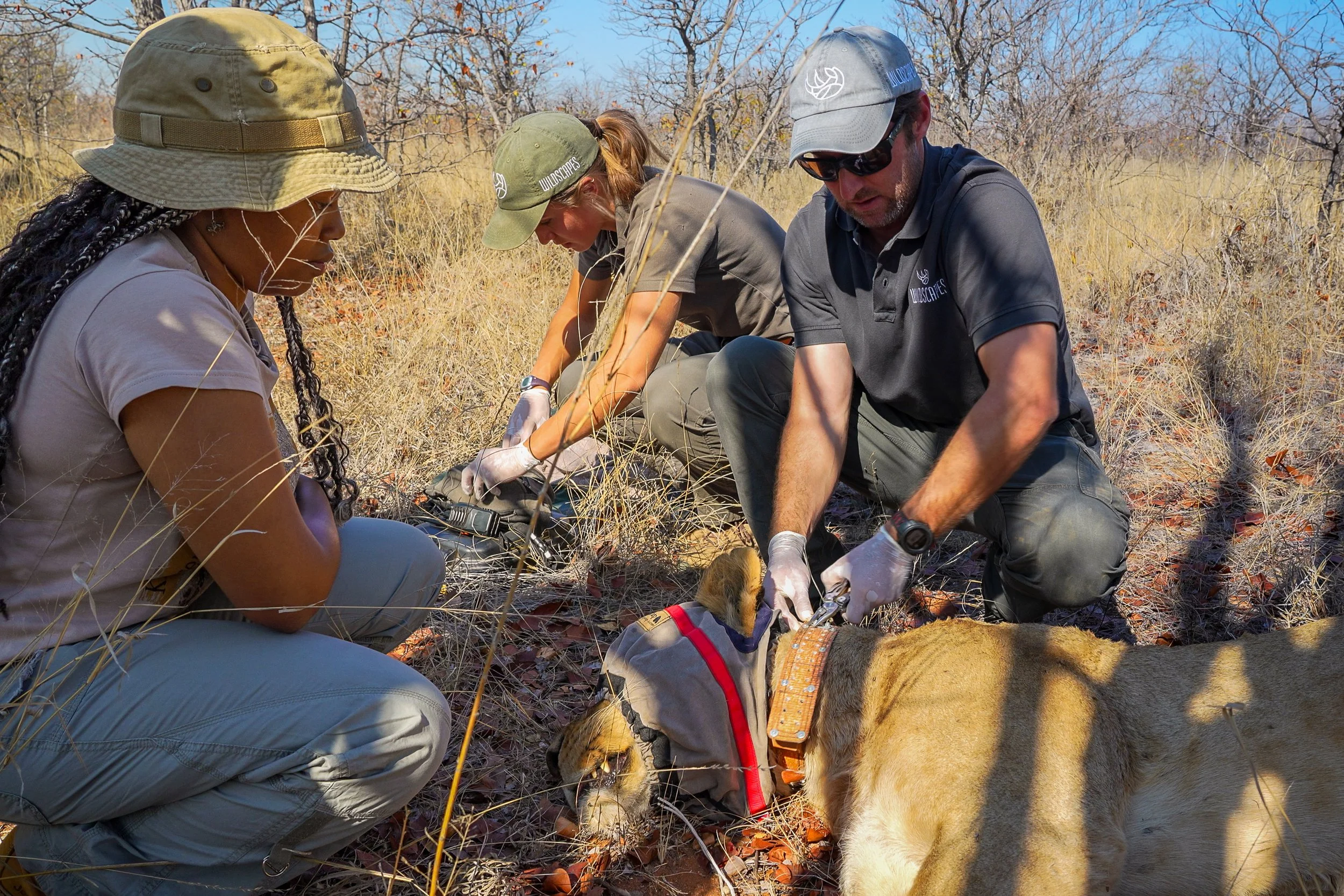
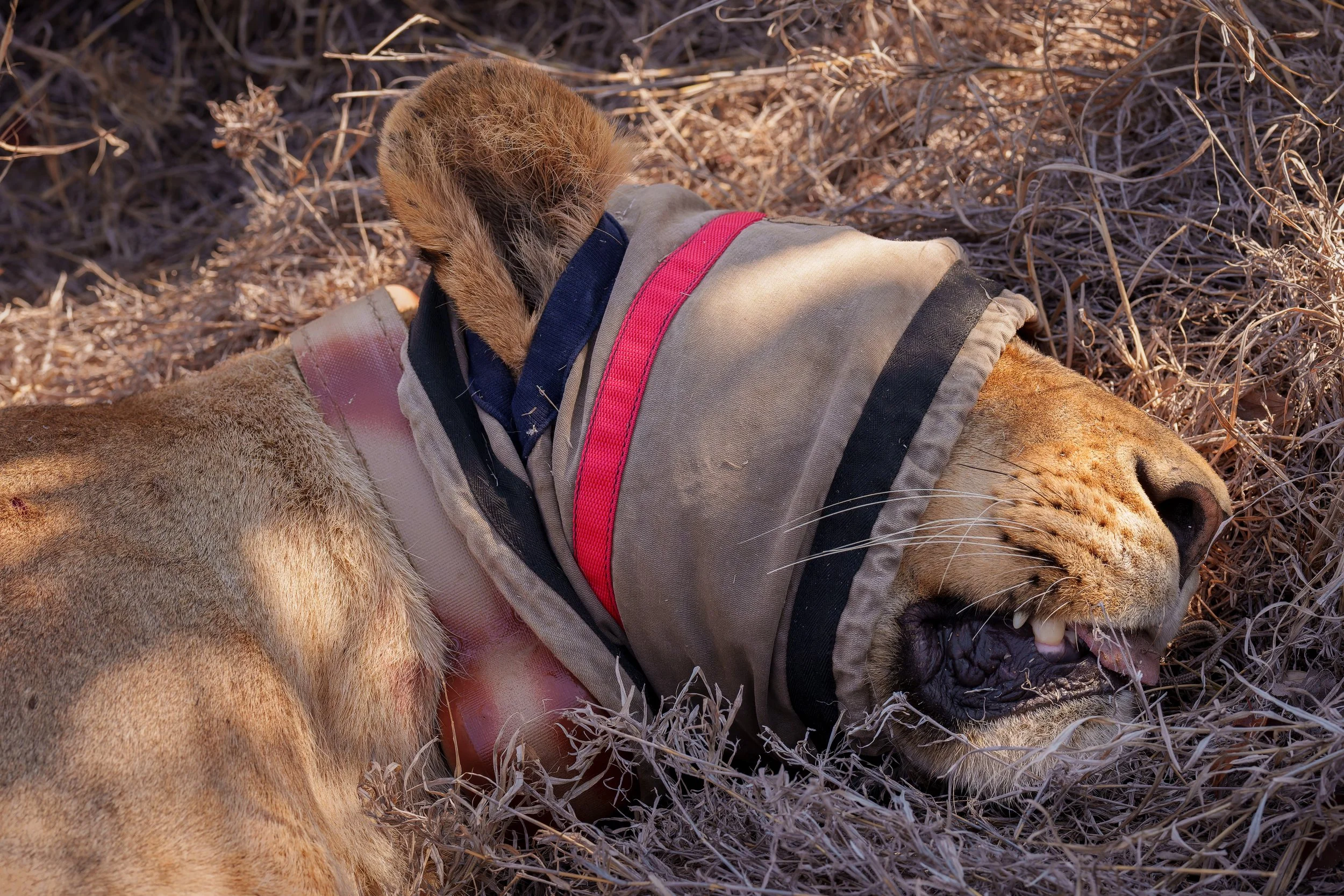
During my time working with the Endangered Wildlife Trust’s Lion Survey Team in northern Kruger, I had the opportunity to be part of an important collaring operation. Together with the SANParks rangers and a wildlife veterinarian from Wildscapes, two lionesses from a pride that regularly moves near the park boundary were safely immobilized and fitted with GPS tracking collars.
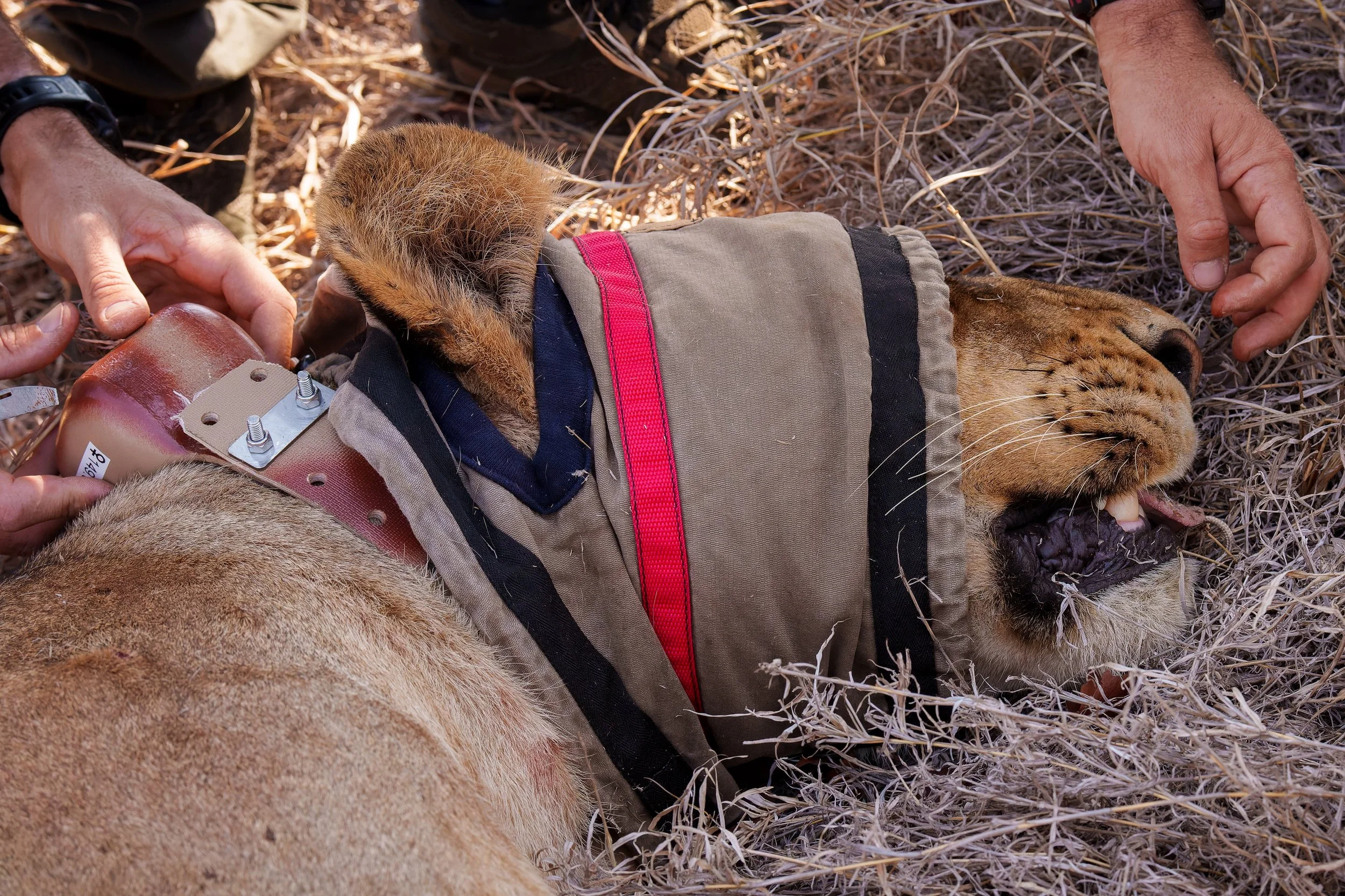
The collars provide valuable data that allows the SANParks rangers and the Endangered Wildlife Trust’s Carnivore Conservation Team to monitor the pride’s movements, better understand their behaviour, and respond quickly if the lions move into areas where they may be at risk.
As a member of the survey team, I contributed in the field by helping locate the lions and assisting with the identification process. Being part of this collaboration between the EWT Carnivore Team, SANParks, and Wildscapes veterinarians was a rare opportunity to witness the precision and care involved in working with large predators while directly contributing to their conservation.

On the Edge of the Pride
The short documentary On the Edge of the Pride follows this collaring operation step by step, offering a rare behind-the-scenes look at the teamwork, precision, and responsibility involved in working with large predators. From locating the pride to safely immobilizing the lionesses and fitting the GPS collars, every stage of the operation is carefully coordinated by experienced rangers and veterinarians.
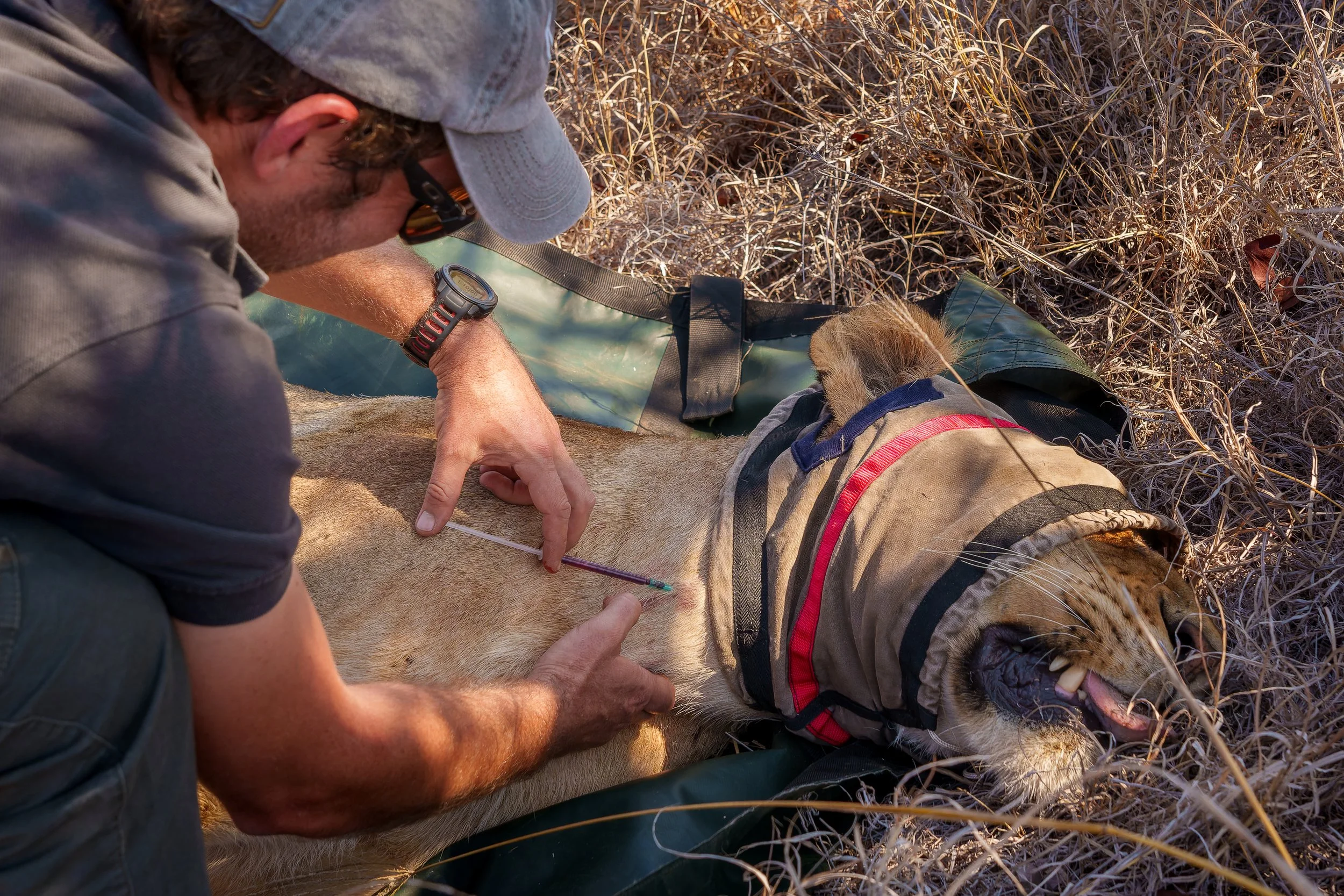
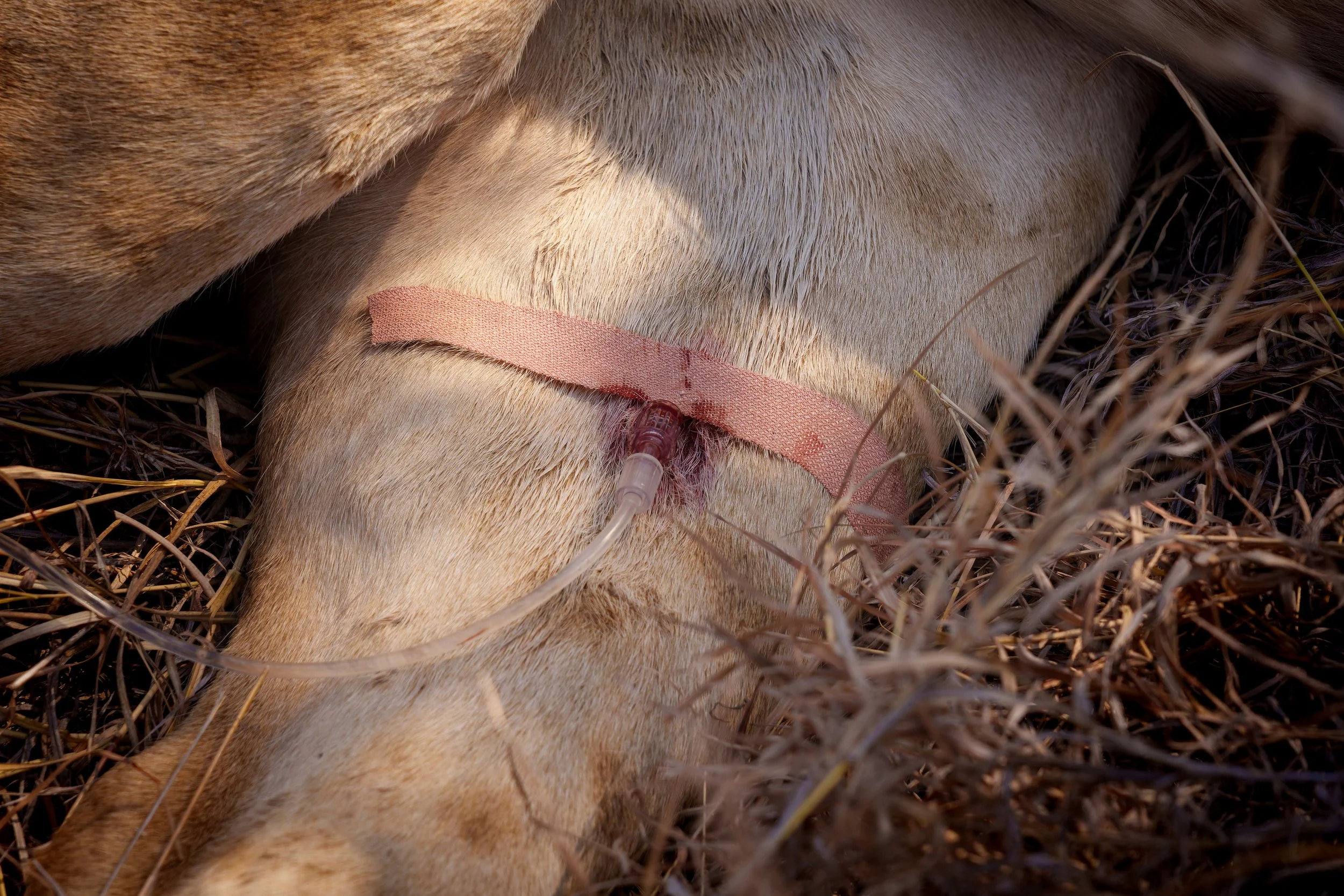
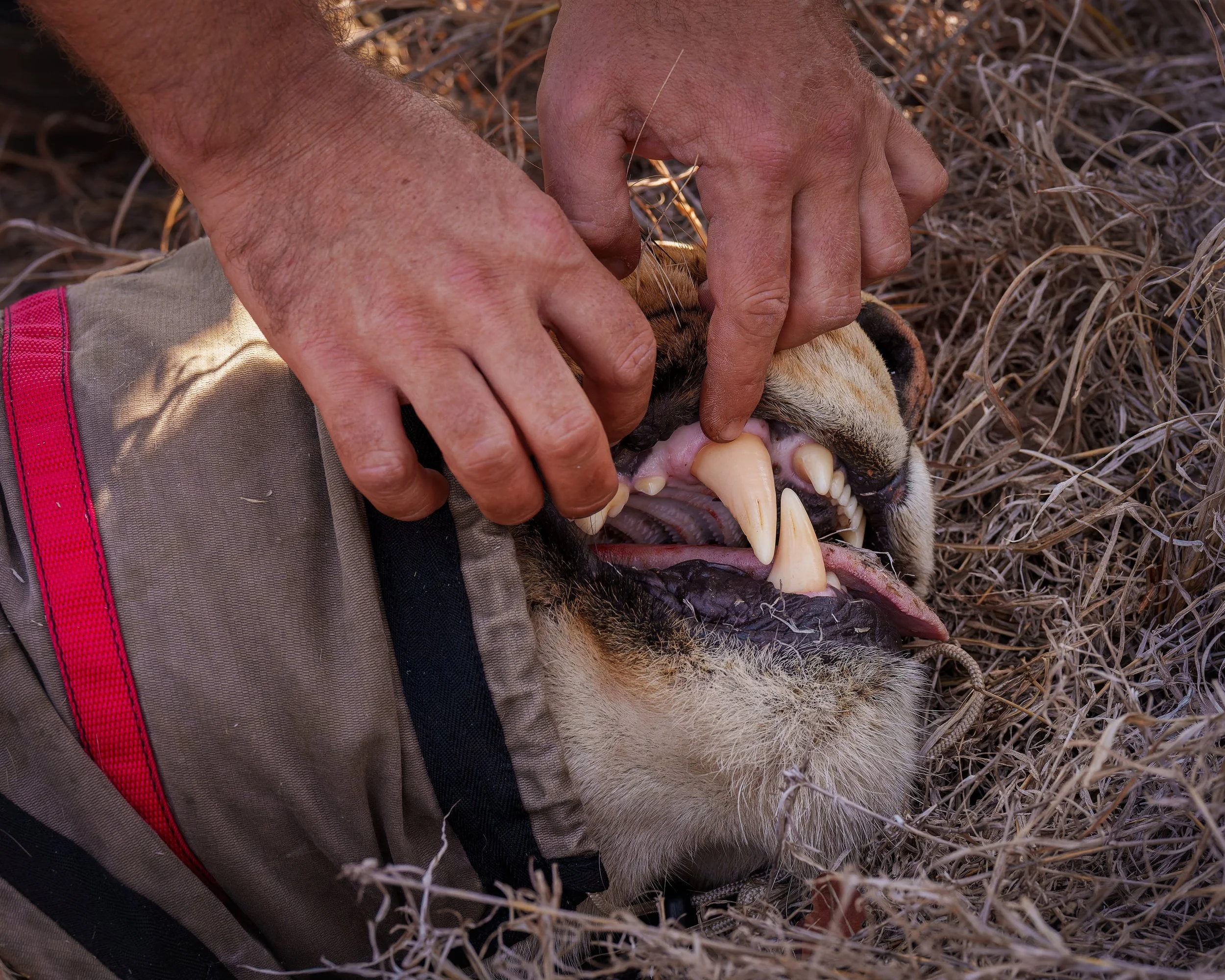
Throughout the entire procedure, the health and wellbeing of the lionesses are the top priority. While the animals are immobilized, the veterinary team performs a full health check, closely monitoring breathing, heart rate, and temperature. Blood samples are also taken to support ongoing research and health monitoring of the population.
By documenting this process, the film highlights how science, veterinary care, and field expertise come together to protect these lions and help reduce human–wildlife conflict along the park’s boundary.